With the GDP growth boost in the second quarter, the big question is whether the RBI will reduce interest rates further in the December meeting of its Monetary Policy Committee
Why India's Q2 GDP growth for FY26 rose to 8.2%
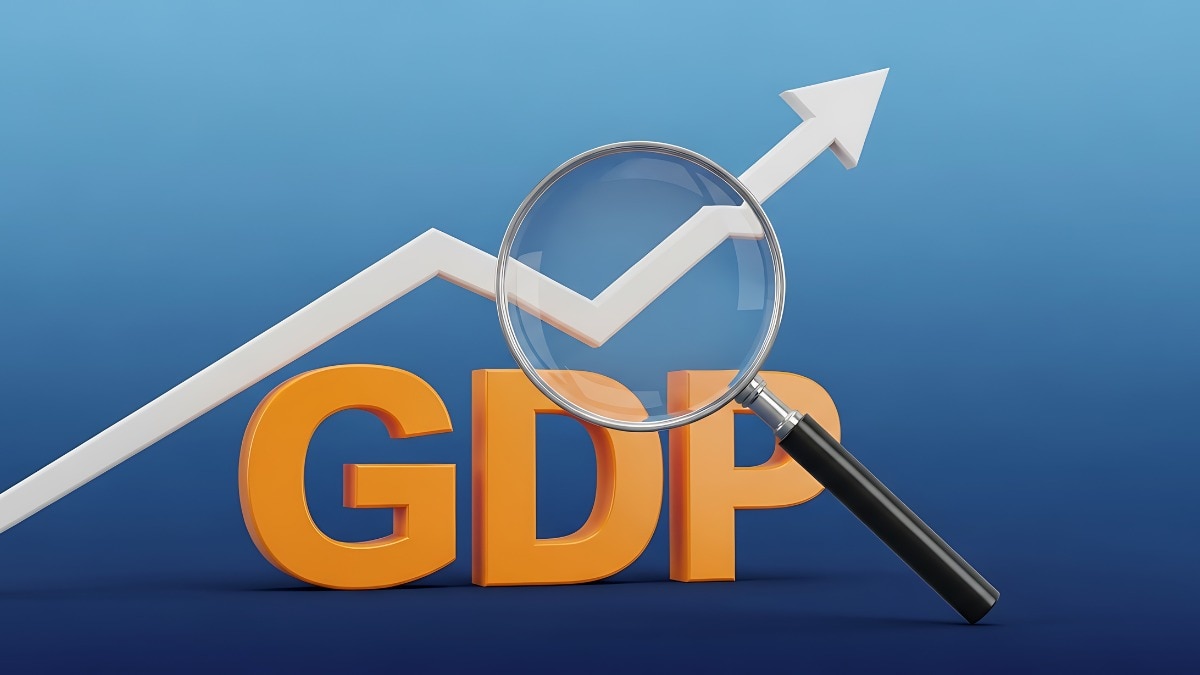
India’s GDP growth for the second quarter (July-September) of FY26 threw a surprise, growing at 8.2 per cent, higher than most analysts’ expectations, as well as that of the Reserve Bank of India (RBI), which had expected it to grow at 7 per cent.
The growth in real GDP was brought about by an all-round growth in agriculture, supported by a good kharif harvest; a double-digit growth in corporate performance, which helped manufacturing; a 7.4 per cent growth in construction; as well as services sector growth. The growth was also recorded on the low base of 5.6 per cent that the economy clocked in the same quarter in the previous fiscal.
advertisement
The Q2 numbers do not capture the festive spending that occurred in October and November, which were buoyed by a rationalisation of the Goods and Services Tax (GST) in late September.
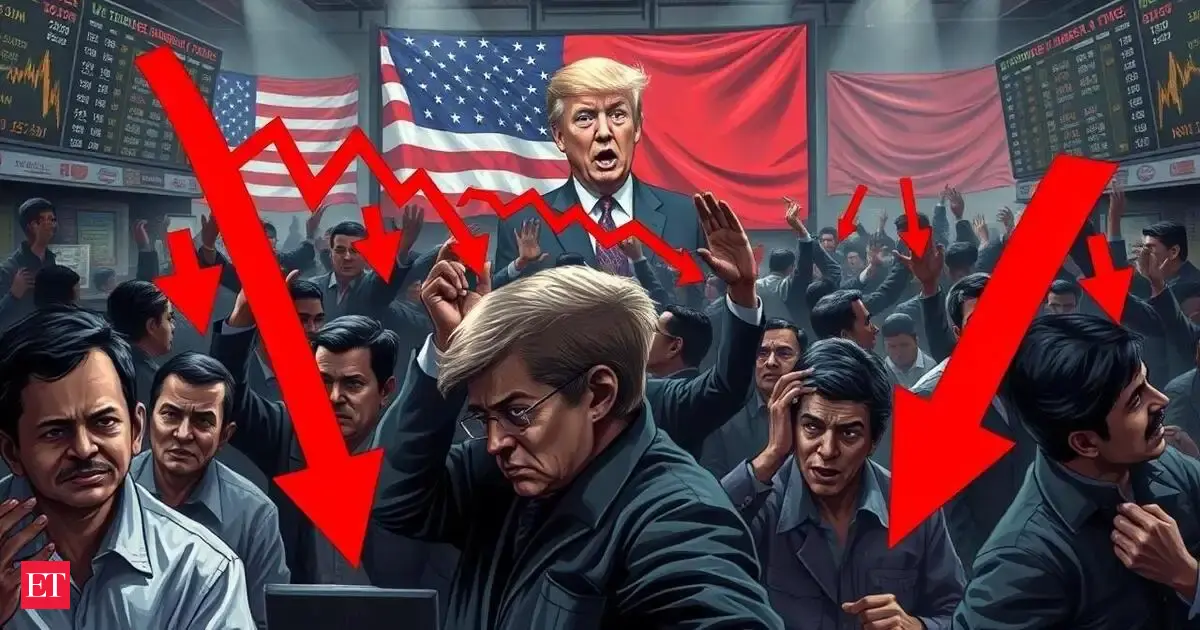
The Q2 growth was also higher than the 7.8 per cent that the economy grew at in the first quarter. Analysts now expect the economy to grow at 7.4 per cent to 7.6 per cent for FY26, taking into consideration the trade challenges that would kick in by the second half of the fiscal year due to the US tariffs.
According to Aditi Nayar, chief economist at the Investment Information and Credit Rating Agency (ICRA), the upside surprise in the Q2 GDP growth was driven by services even as the agriculture and industrial sectors largely performed along expected lines.
“The 9.7 per cent surge in the public administration, defence and other services segment in Q2 was quite surprising given that the government of India’s (GoI) non-interest revenue expenditure had contracted by a sharp 11.2 per cent year on year (YoY) in the quarter, as against the 6.9 per cent uptick seen Q1 of this fiscal,” Nayar said.
Besides, the YoY growth in the combined non-interest revenue expenditure of 22 state governments halved to 5.3 per cent in Q2 FY2026 from 10.9 per cent in Q1 FY2026. “This suggests that the other services, which include segments like health, education, recreation and other personal services, are likely to have outperformed in the quarter,” she added.
On the expenditure front, private final consumption expenditure was the only component that witnessed an acceleration in growth in Q2 vis--vis Q1 FY2026. While government final consumption expenditure expectedly contracted, led by weak government revenue spending, the growth in gross capital formation (which denotes investment) also moderated between these quarters.
Nayar too feels that the potential negative impact of US tariffs and limited headroom for capital spending by the Centre may dampen the pace of growth in the second half. For the full year, Nayar says, GDP would grow over 7 per cent.
advertisement
D.K. Joshi, chief economist with Crisil, said in a note that the third quarter is expected to continue benefiting from some of these tailwinds. While government investment will likely stabilise, there are hints of a belated uptick in private investments, he said.
“Moreover, the rationalisation of—and reduction in—GST rates is bolstering private consumption, complementing reduced income tax and interest rates cuts (the latter induced by the repo rate cuts made by the RBI’s Monetary Policy Committee this year),” Joshi said. He estimates that India’s GDP will be 7 per cent for the full year. “This follows a first-half growth of 8 per cent and an expected slowdown to 6.1 per cent in the second half owing to the impact of higher US tariffs and normalisation of government capital expenditure,” Joshi adds.
The nominal GDP for Q2, at current prices and factoring in inflation, continues to be low, at 8.7 per cent. The difference between real and nominal GDP is the smallest since the third quarter of fiscal 2020.
With the economy growing above 8 per cent in the second quarter, the big question is whether the RBI will reduce rates further at its December meeting of the Monetary Policy Committee. Some analysts say that the central bank may desist from cutting interest rates in the current circumstances despite retail inflation for the month of October coming in at a record low of 0.25 per cent.
advertisement
Subscribe to India Today Magazine
- Ends
Tune In