SEBI has granted in-principle approval to NSE's ₹1,388.00 crore settlement offer for the colocation case, clearing a major hurdle for the exchange's IPO after delays since 2016. The settlement addresses unfair market access allegations, with SEBI Chairman confirming agreement despite ongoing committee processing. NSE expects seven to eight months from NOC approval to market launch, potentially making it one of India's largest public offerings.
SEBI Gives In-Principle Nod to NSE Settlement Plea, Clears Path for Mega IPO
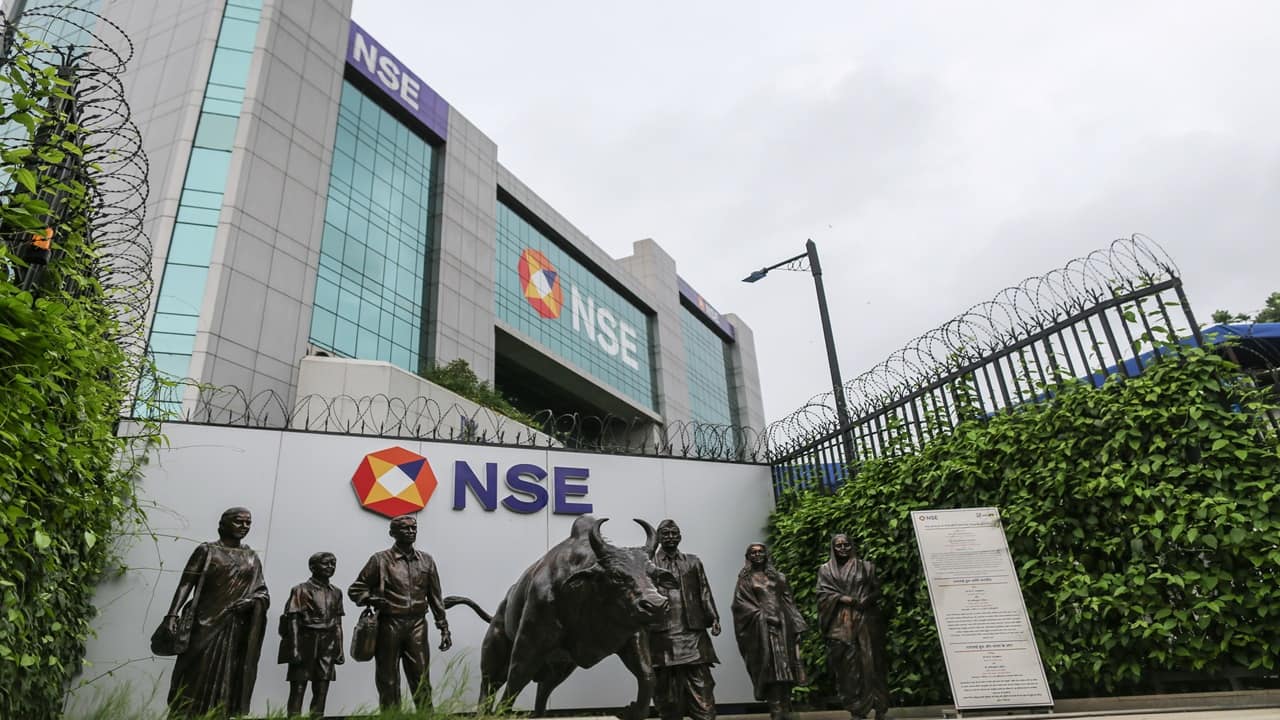
The Securities and Exchange Board of India (SEBI) has given in-principle approval to the National Stock Exchange's settlement plea in the colocation case, bringing India's largest stock exchange significantly closer to its long-delayed initial public offering. SEBI Chairman Tuhin Kanta Pandey confirmed this development, stating that the regulator agrees with NSE's settlement proposal despite the application still being processed by various committees.
Settlement Details and Timeline
The National Stock Exchange has offered to pay ₹1,388.00 crore in 2025 to settle charges related to the colocation case, where select brokers were allegedly granted preferred access to the exchange. This settlement represents a crucial milestone after years of legal battles that have prevented NSE from going public since 2016.
Settlement Parameter: Details Settlement Amount: ₹1,388.00 crore Payment Year: 2025 Case Type: Colocation/Unfair Market Access IPO Delay Period: Since 2016
Pandey indicated that the no-objection certificate for the IPO could be issued within a month, marking the final regulatory hurdle before NSE can proceed with its public offering.
IPO Preparation and Market Impact
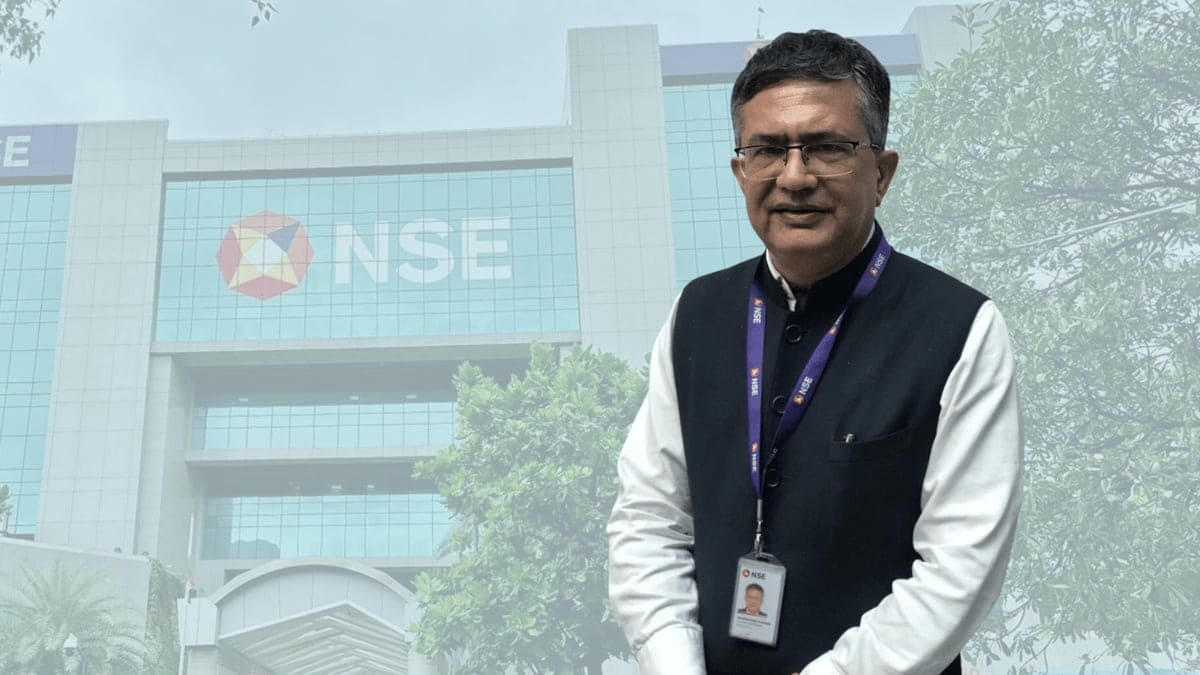
NSE Managing Director and CEO Ashish Kumar Chauhan welcomed the in-principle approval as "good news" while noting that official intimation is still pending. Once the NOC is received, NSE will begin preparing its draft red herring prospectus (DRHP), with Chauhan estimating the entire process will take seven to eight months from NOC approval to market launch.
The IPO timeline includes:
Up to four months to file DRHP after receiving SEBI NOC
Additional regulatory clearance period for the DRHP
Seven to eight months total from NOC to market debut
Regulatory Framework Changes
SEBI has implemented supportive regulatory changes that benefit large-scale IPOs like NSE's offering. The regulator reduced the minimum public offer threshold from 5% to 2.5% for companies valued over ₹5.00 lakh crore, a move specifically designed to facilitate public offerings by major entities including NSE and Reliance Jio.
Market Oversight and Due Diligence Concerns
During his address to investment bankers, Chairman Pandey highlighted ongoing challenges in market oversight, particularly regarding disclosure gaps that reduce transparency and investor understanding. He emphasized that SEBI inspections continue to reveal issues with due diligence independence and reliance on issuer undertakings.
Key areas requiring improvement include:
Capital structure disclosures explaining past capital raisings and preferential allotments
Business model clarity with transparent revenue and cost drivers
Enhanced management discussion and analysis beyond basic narration
Independent verification of working capital and capital expenditure projections
Pandey stressed that investment bankers serve as the "first line of disclosure integrity," ensuring offer documents provide clear, complete, and verifiable information on business operations, risks, governance, and fund utilization. These disclosure gaps often lead to regulatory queries that extend companies' fundraising timelines, underscoring the importance of thorough preparation for major offerings like NSE's anticipated IPO.
Indian stock exchanges remained closed on January 15 for Brihanmumbai Municipal Corporation (BMC) elections, sparking an unusually sharp debate among the country's most influential market voices. The complete trading suspension across BSE and NSE drew intense scrutiny over exchange operational planning and India's global market credibility.
Kamath Questions Market Closure Logic
Zerodha Co-founder and CEO Nithin Kamath led the criticism, framing the closure as a structural failure rather than routine administrative necessity. He called the move "poor planning" and criticized the "serious lack of appreciation for second-order effects" in a globally connected financial system.
Key Market Closure Details: Information Closure Date: January 15 Reason: BMC Elections Affected Exchanges: BSE and NSE Trading Segments: Equity, currency, debt Resume Date: January 16
Quoting investor Charlie Munger, Kamath wrote: "Show me the incentive, and I will show you the outcome." He argued that the holiday persists because "no one who matters has any incentive to oppose the market holiday," emphasizing that such decisions highlight "how far we have to go before global investors take us seriously."
Arora Challenges Consistency Arguments
Helios Capital founder Samir Arora responded by questioning the consistency of arguments around trading day fairness. He challenged the selective logic around market operations, asking whether it's "unfair to foreign investors" when Indian exchanges operate on days that are holidays elsewhere.
Counter-Arguments Raised: Details Sunday Budget Trading: Questions about February 1 operations January 1 Example: Indian markets open, global markets closed Consistency Issue: Selective application of fairness logic Calendar Anomalies: Broader scheduling contradictions
Arora flagged broader calendar anomalies, particularly around the Union Budget presentation on February 1, questioning why markets should operate on Sunday merely because of budget timing. He emphasized the need for consistent logic in determining trading schedules.
Sharma Takes Tactical View
GQuant Investech founder Shankar Sharma offered a contrasting perspective, arguing that the holiday narrative is overstated. He listed "three clear positives" from the closure, framing it as a tactical buffer against foreign selling pressure.
Sharma's Tactical Analysis: Benefits Foreign Selling Buffer: Prevented potential FII selling pressure February 1 Advantage: Limited selling when foreign markets closed January 1 Parallel: Similar protective effect Market Stability: Short-term pressure relief
Sharma argued that if markets were open, foreign institutional investors could have sold "another few thousand crores," suggesting the closure provided temporary market stability during volatile periods.
Broader Market Planning Questions
The debate highlighted fundamental questions about exchange operational planning as India seeks enhanced global market credibility. The National Stock Exchange continues evaluating whether to keep markets open on February 1 for Union Budget presentation, with no final decision announced.
The discussion reflects ongoing challenges in balancing local administrative requirements with international market expectations, particularly as global investors evaluate the consistency and predictability of Indian market operations in an increasingly interconnected financial system.
We’re building Scanx - to help you express your trading & investing idea, to help you analyse the markets better.
Stock Markets are the true indicator of the growth of any country's economy. We are bullish on India, we are bullish on India's prospects to be one of largest economies of the world. We believe that Stock Markets provide an unique opportunity for all Indians to participate in the growth story of India. We are enabling the same for Indians.
As financial services are becoming more accessible, there is now a large set of Indians today who are financially aware and literate. They value time and seek high quality products & services. Most screening, trading, investing platforms available today are more or less similar to each other, and they have not evolved with time. While both traders & investors have gotten smart about how they make money and build wealth, as users they have continued to use the same products, features, and platforms that were available for years with little or no innovation. We plan to change that - a technology-led platform built for super traders and long term investors.