According to SEBI data cited by the chairman, OFS accounted for about 55 percent of IPO proceeds in 2025, while 45 percent came through fresh issues. In contrast, SME IPOs remain largely growth-oriented, with around 75 percent of funds raised through fresh issuance, he said.
SEBI chief pushes back on exit-only IPO narrative, cites moderation in OFS share
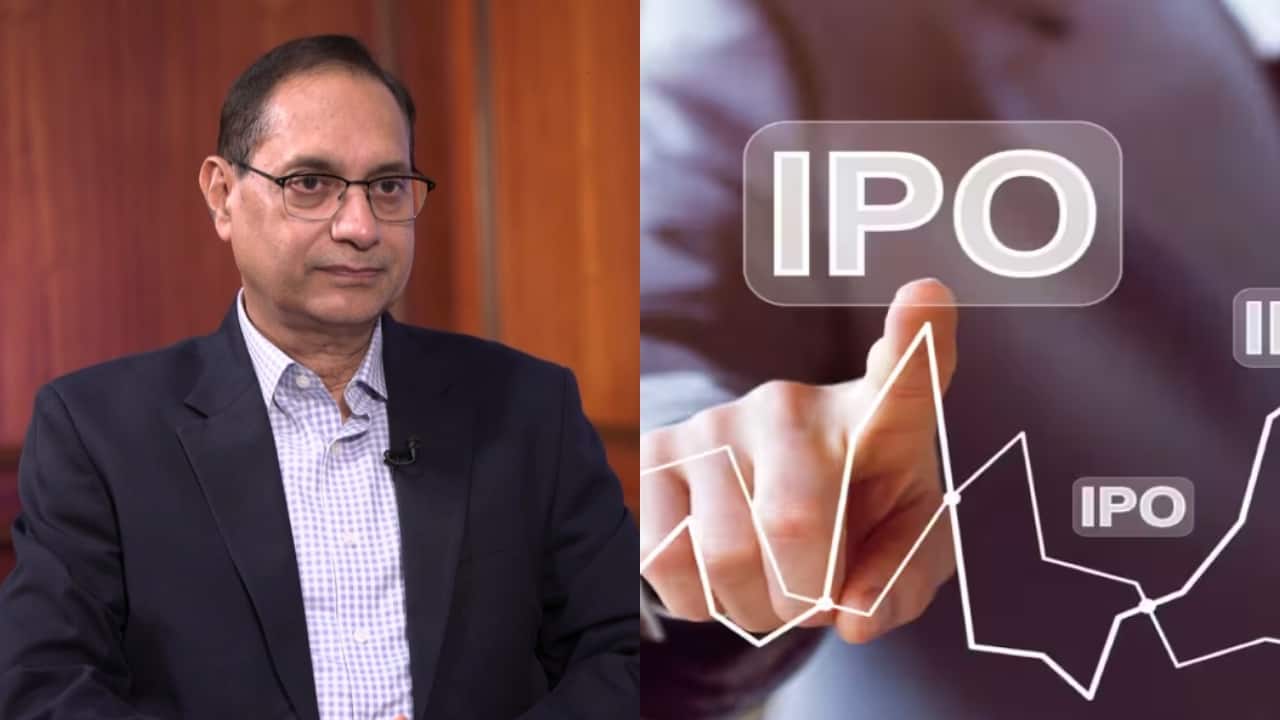
Securities and Exchange Board of India (SEBI) chairman Tuhin Kanta Pandey on Thursday pushed back against the view that Indian IPOs are increasingly being used as exit routes for existing investors, saying data shows that the share of offers for sale (OFS) has moderated meaningfully since peaking during the pandemic years.
“In 2020, nearly 87 percent of the money raised through IPOs was through offers for sale. Since then, this has moderated,” Pandey said at the 14th Annual Convention of the Association of Investment Bankers of India (AIBI).
According to SEBI data cited by the chairman, OFS accounted for about 55 percent of IPO proceeds in 2025, while 45 percent came through fresh issues. In contrast, SME IPOs remain largely growth-oriented, with around 75 percent of funds raised through fresh issuance, he said.
Pandey said the narrative around IPOs becoming exit-heavy does not align with market data and needs to be viewed in the context of how companies transition from private to public markets, where early-stage capital providers often seek to redeploy funds after businesses mature.
Addressing concerns around regulatory timelines, Pandey said SEBI’s processing time for mainboard IPO filings averages under a month, provided documents are filed correctly.
Excluding periods when filings are with other regulators or sent back to issuers for clarifications, SEBI takes an average of 26–28 days to process draft offer documents, he said. Only 43 IPO filings are currently pending beyond three months, largely due to external clearances or issuer-side delays.
Pandey said faster clearances ultimately depend on the quality of filings submitted by merchant bankers.
“If filings are first-time right, the average time will reduce further,” he said, reiterating SEBI’s focus on improving disclosure quality for investor protection.
Outlining SEBI’s broader regulatory philosophy, Pandey said the regulator aims to balance flexibility with sharper disclosures, rather than intervening directly in areas such as valuation.
“Valuation is often in the eye of the beholder,” he said, adding that SEBI’s focus is on ensuring clearer disclosures around peer comparisons, business models and issue objectives, rather than pre-judging pricing.
He also said SEBI is maintaining a sharper focus on SME IPOs, particularly on fund utilisation and disclosure standards, as more smaller companies access public markets.
The SEBI chief also underlined the growing role of domestic capital in India’s markets, noting that dependence on foreign portfolio investors (FPIs) has reduced over time.
“Over-dependence on FPIs has reduced, and that’s a good sign,” Pandey said, adding that domestic institutional and retail capital tends to be more patient and anchored to India’s economic fundamentals, unlike global flows that move opportunistically across markets.
He said SEBI does not view FPI outflows in isolation, as rising domestic ownership has made markets more stable and less prone to volatility driven by global capital movements.