Business News Today: Get latest business news from India, breaking business news updates, live share market news today, trending business news, stocks, IPO, finance, economy, crypto stories on Business Today.
Not Found
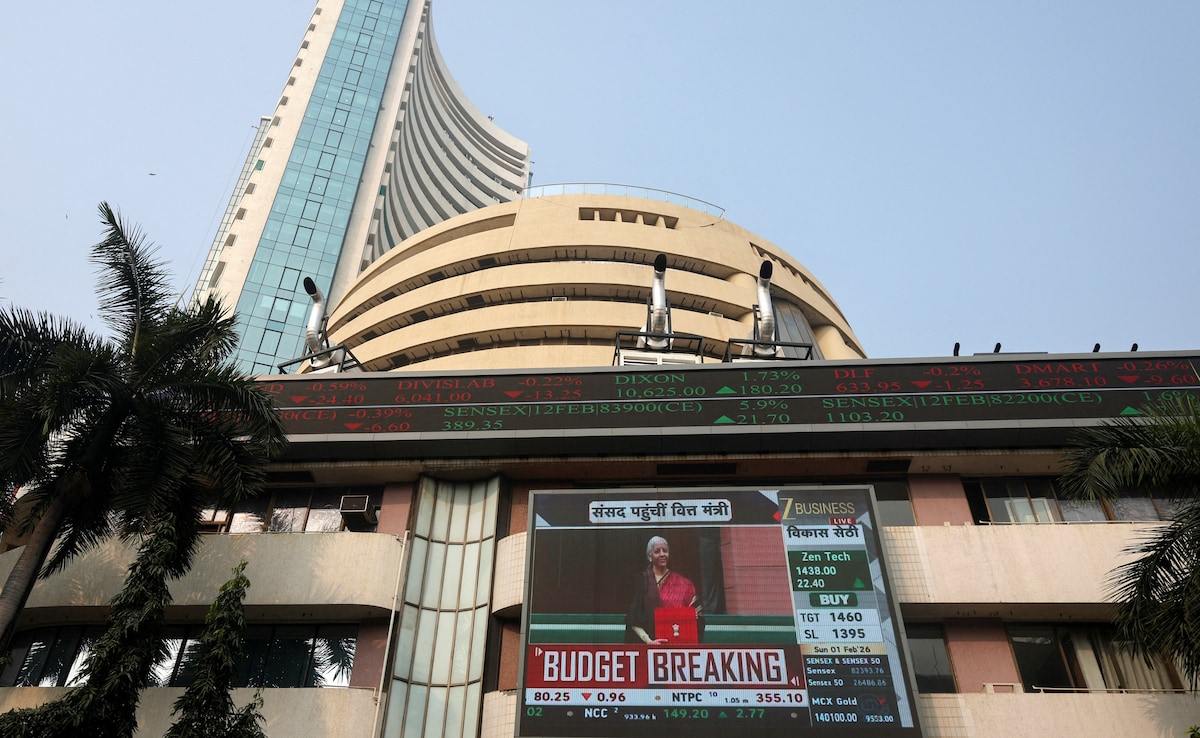
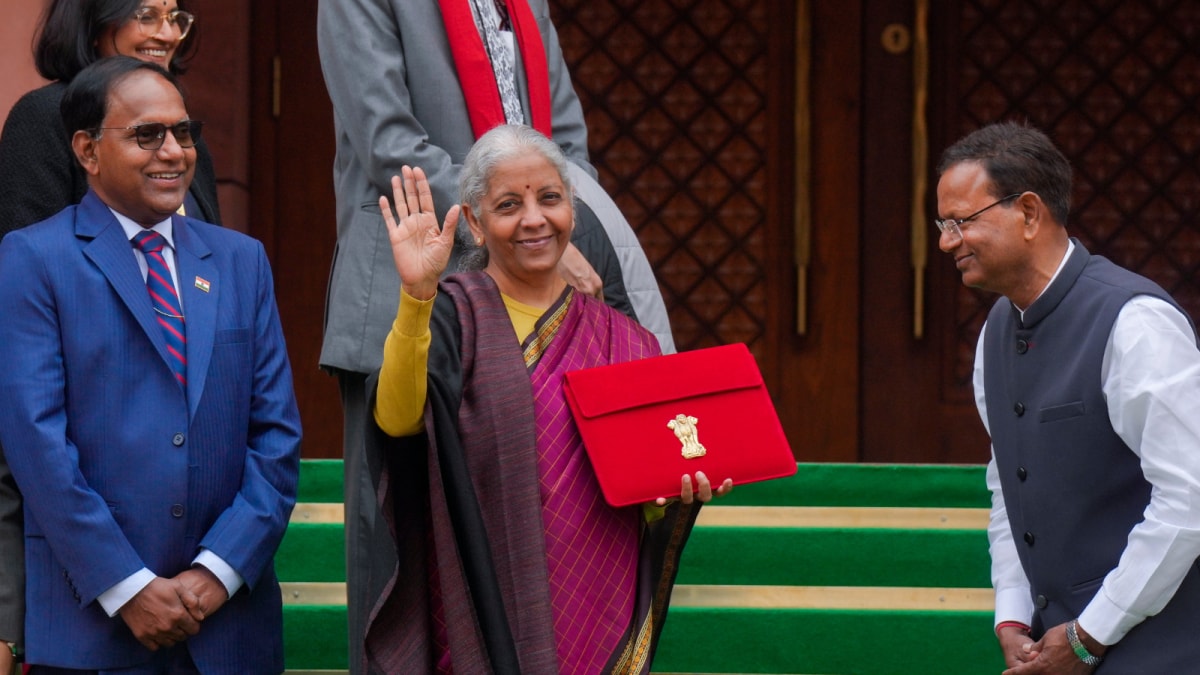
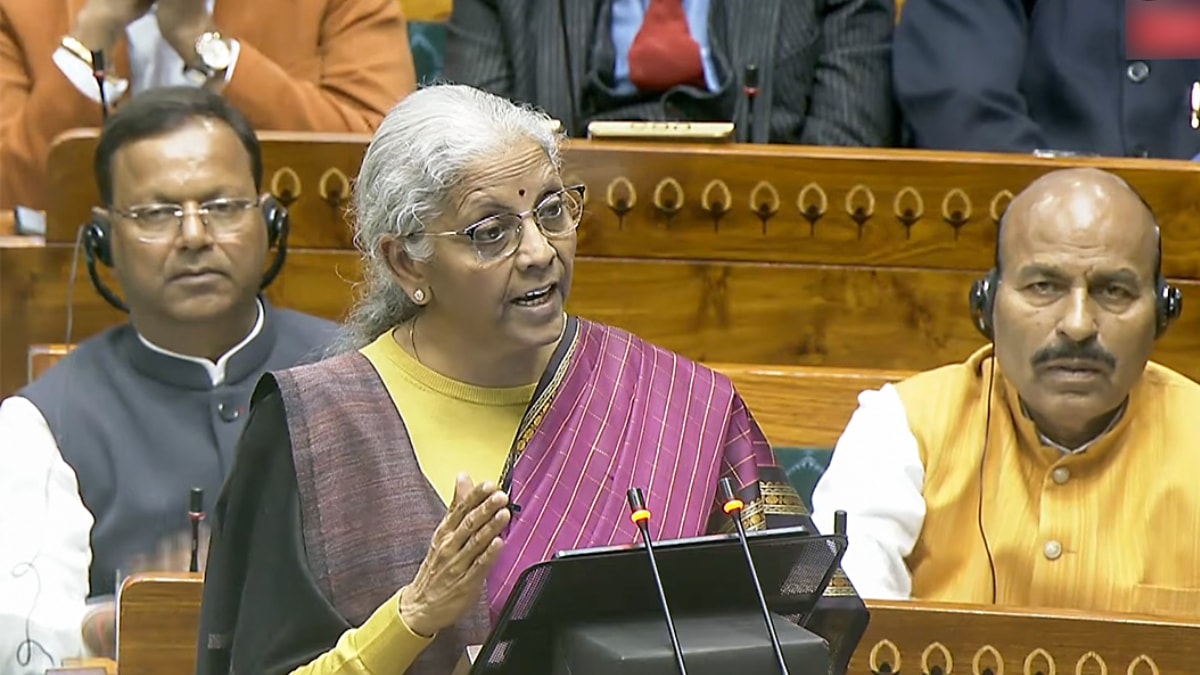
Union Budget 2026 is set to be a landmark moment for Finance Minister Nirmala Sitharaman. In an hour, FM Sitharaman will present the Union Budget for FY 2026–27, becoming the first woman finance minister to deliver the annual exercise for a ninth straight year.
As Sitharaman prepares to present the Union Budget in Parliament, there have been demands for deeper tax reforms. Income tax is once again at the centre of attention as expectations build ahead of the Union Budget 2026, particularly among salaried and middle-class taxpayers grappling with rising household expenses and uneven wage growth. While demands for relief are loud, many experts believe Finance Minister Nirmala Sitharaman is more likely to opt for calibrated tweaks rather than sweeping tax overhauls.
A key proposal being pushed by taxpayers and financial experts is the introduction of joint income tax filing for married couples, a change seen as particularly beneficial for dual-income families facing mounting cost-of-living pressures in urban India.
India’s current tax regime requires spouses to file returns individually, regardless of marital status. This approach often complicates tax planning and limits the ability of households to efficiently use deductions and exemptions, especially where incomes between partners are uneven. For tax purposes, married individuals are treated as completely separate entities.
Supporters of joint filing argue that India is out of step with several advanced economies, including the United States, where couples can opt for “Married Filing Jointly” and benefit from more favourable tax treatment. With middle-class finances under strain, proponents see Budget 2026 as a potential inflection point for aligning the tax system with modern household economics.
Several tax professionals expect targeted relief for salaried employees and retirees. Suggestions include raising the standard deduction from ₹75,000 to ₹1 lakh, easing retirement taxation by increasing the tax-free portion of NPS withdrawals, and enhancing the exemption limit for long-term capital gains. Such measures, experts argue, would provide meaningful relief without straining fiscal arithmetic.
There is also a strong push to modernise existing frameworks. Professionals have flagged that presumptive taxation under Section 44ADA no longer reflects today’s cost structures, with calls to reduce the deemed profit rate from 50% to 40%. At the same time, the lack of home loan benefits under the new tax regime remains a sore point, especially for first-time buyers, prompting demands for limited deductions to restore balance between the old and new regimes.
Housing-related relief features prominently on the wishlist. Experts want HRA rules revisited, arguing that more large cities should qualify as “metros” for higher exemptions. Senior citizens, too, are seeking differentiated treatment, including higher basic exemption limits and additional medical deductions under the new regime, given rising healthcare costs.
On the compliance side, the Institute of Chartered Accountants of India has proposed simplifying the TDS structure by cutting the number of rates to reduce disputes and ease administration. Market-linked demands include lower capital gains tax, rationalisation of securities transaction tax, and tax parity for debt instruments to boost investor sentiment.