STT was introduced in India on October 1, 2004. The idea behind it was to replace the long-term capital gains tax, reduce tax evasion in equity and derivatives trading and make tax collection easier.
Budget 2026: What is Securities Transaction Tax (STT) and why its hike worries traders
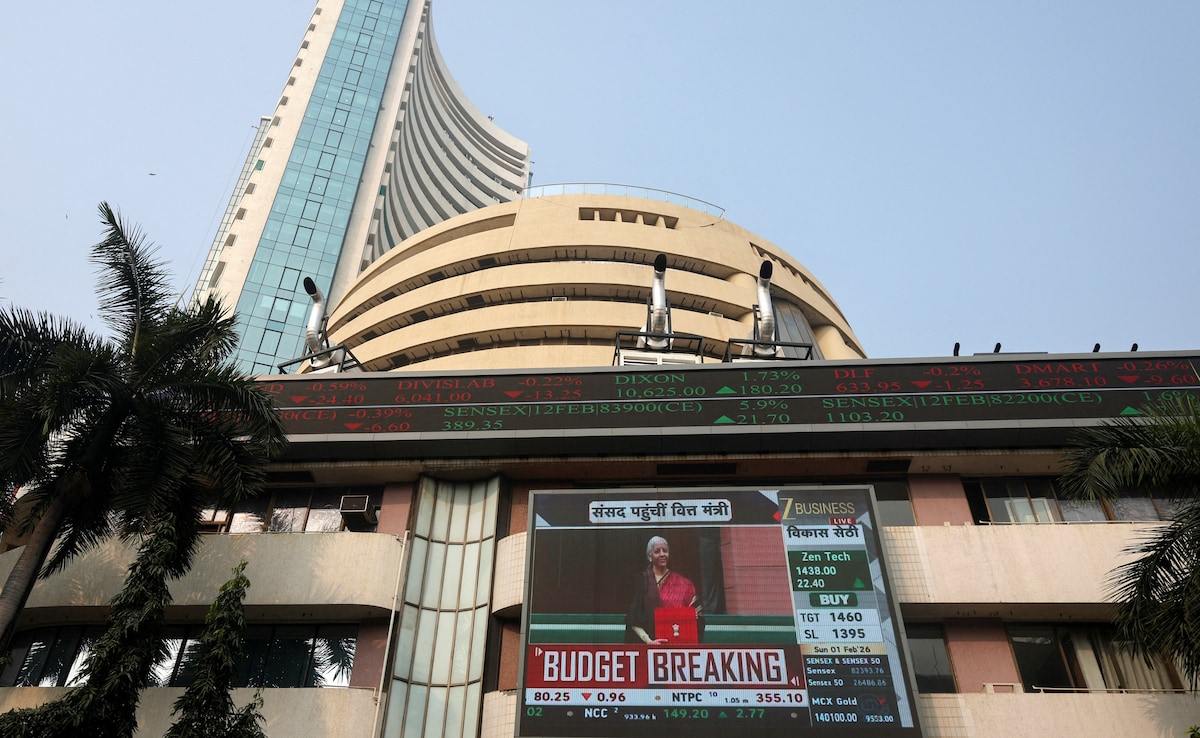
Finance Minister Nirmala Sitharaman, while presenting the Union Budget 2026–27 in Parliament on Sunday, February 1, proposed an increase in the Securities Transaction Tax (STT) on futures and options. The STT on futures has been raised to 0.05 per cent from the earlier 0.02 per cent.
What is Securities Transaction Tax (STT)?
STT, or Securities Transaction Tax, is a tax charged on the value of securities traded on recognised stock exchanges in India. It applies to transactions involving shares, equity mutual funds, futures and options. This tax is collected at the time of the transaction itself, whether the investor makes a profit or a loss.
STT was introduced in India on October 1, 2004. The idea behind it was to replace the long-term capital gains tax, reduce tax evasion in equity and derivatives trading and make tax collection easier. However, in the Union Budget 2018, the government brought back long-term capital gains tax on listed shares, while continuing to levy STT.
Why are traders concerned about STT?
Traders have been worried about STT mainly because it adds to the overall cost of trading. These concerns grew after a sharp hike in STT was announced in the previous Budget. At that time, the tax on selling options was increased from 0.0625 per cent to 0.1 per cent of the option premium. The STT on futures trades was also raised to 0.02 per cent from 0.0125 per cent of the traded value.
Every time an investor buys or sells shares, derivatives or mutual funds, a small STT charge is applied to the transaction. Along with this, the previous Budget also increased capital gains tax. Long-term capital gains tax was raised from 10 per cent to 12.5 per cent, while short-term capital gains tax went up from 15 per cent to 20 per cent.
Difference between LTCG and STCG
Brokerages and fund managers believe that the combined impact of higher STT and capital gains tax makes equity-related products less attractive, especially for frequent and active traders.
Long-term capital gains tax applies when shares are held for more than one year, while holdings of less than 12 months are taxed under short-term capital gains.