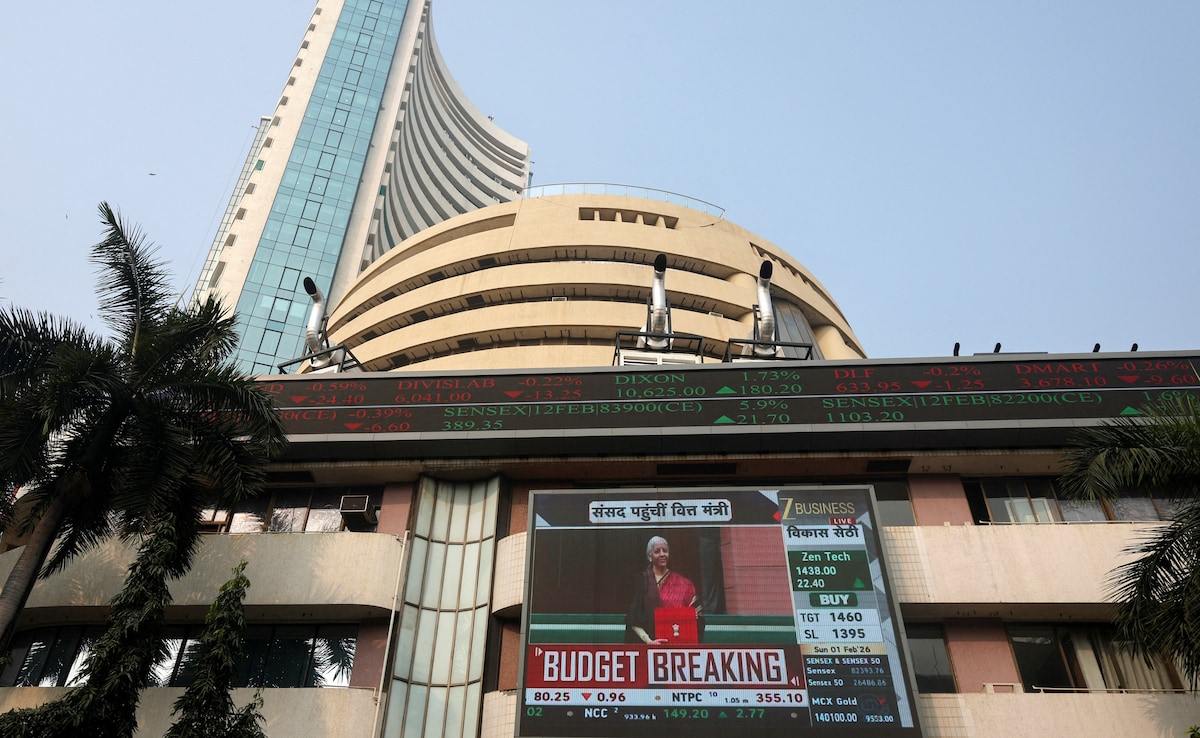
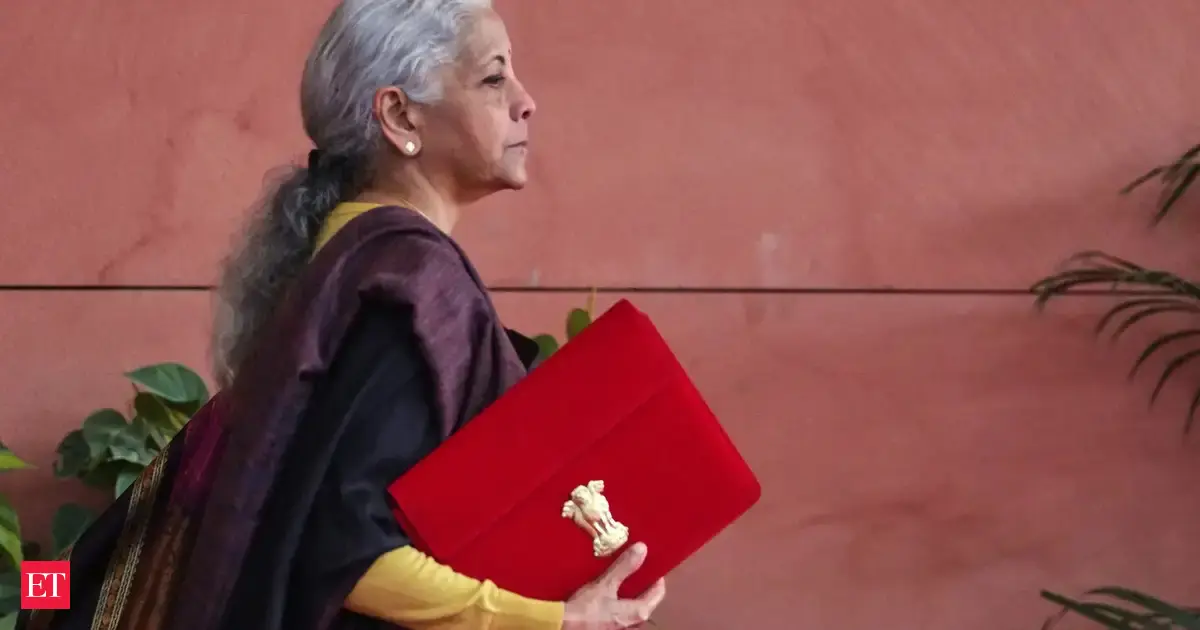
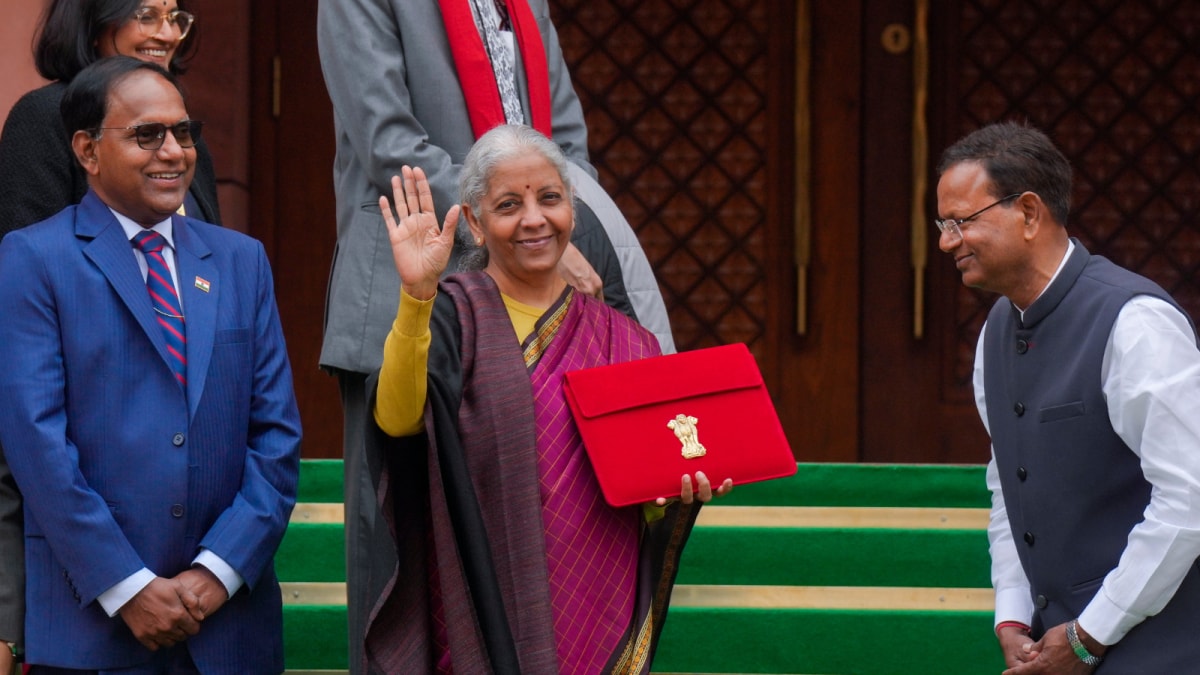
Budget 2026: Finance Minister Nirmala Sitharaman unveiled a ₹10,000 crore SME Growth Fund. This initiative aims to boost Indian small and medium enterprises for global competition. The plan focuses on equity, liquidity, and professional guidance. It seeks to transform smaller firms into export champions. This move supports India's trade ambitions amid global economic shifts.
Budget announces birth of Indian champions: Small players, big play
Synopsis
Budget 2026: Finance Minister Nirmala Sitharaman unveiled a ₹10,000 cr SME Growth Fund in the budget. This initiative aims to boost Indian small and medium enterprises for global competition. The plan focuses on equity, liquidity, and professional guidance. It seeks to transform smaller firms into export champions. This move supports India's trade ambitions amid global economic shifts.
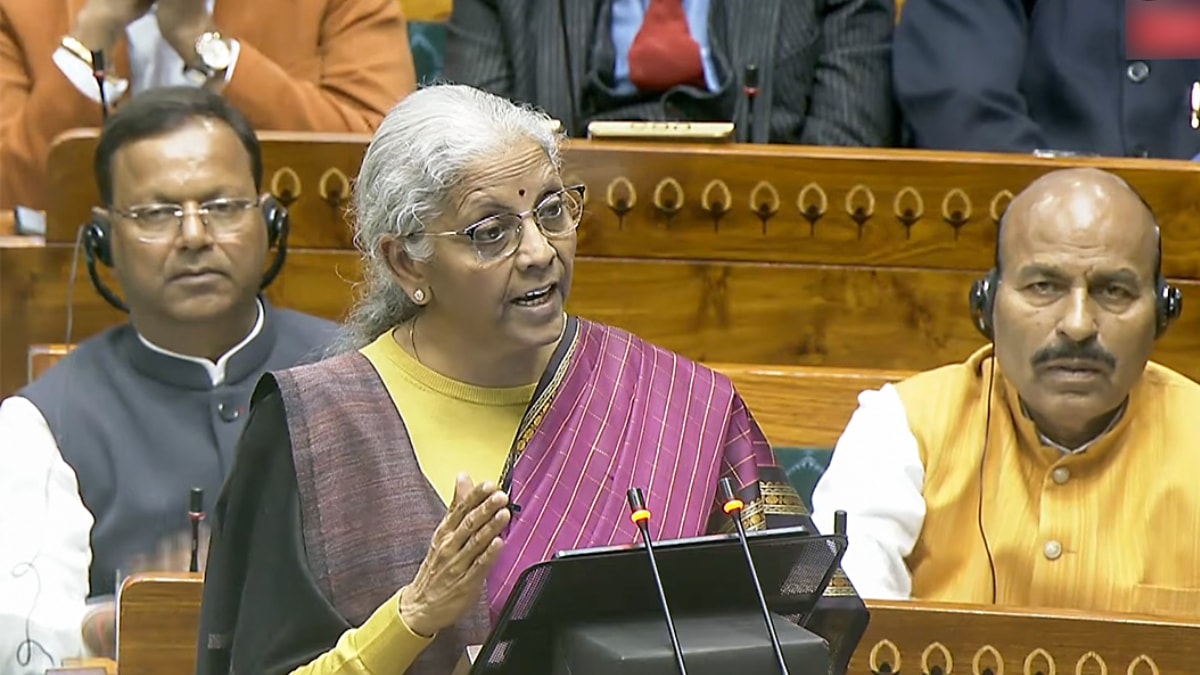
Finance Minister Nirmala Sitharaman in her budget speech on Sunday announced a Rs 10,000 crore SME Growth Fund, signalling a decisive shift in how the government wants India’s vast MSME sector to plug into the country’s growth and export ambitions. Framed as an effort to create “champions” among small businesses, the proposal rests on a three-pronged strategy -- equity support, liquidity support and professional handholding. At a time when India is navigating a volatile global trade environment while simultaneously signing new free trade agreements (FTAs), the move seeks to help smaller firms scale up and compete globally. Unlike past budgets that focused largely on credit flow, Budget 2026-27 attempts to address deeper structural constraints faced by MSMEs. The announcement also reflects a recognition that India’s next export push may come not from a few large conglomerates, but from thousands of well-supported smaller firms.
Budget 2026 Live
Budget 2026: Catch all the live action here
Income Tax Budget 2026 Live Updates
Stock Market Live Updates
Rethinking ‘champions’ in an age of fragmented global trade
Traditionally, the idea of “national champions” has been associated with large companies nurtured through state support, scale advantages and preferential access to capital. Sitharaman’s budget, however, redefines the concept by focusing on small and medium enterprises—many of which already operate in export-oriented sectors such as textiles, auto components, engineering goods, chemicals and electronics. In her speech, the finance minister proposed equity support through the Rs 10,000 crore MSME Growth Fund, alongside a Rs 2,000 crore top-up to the Self-Reliant India Fund, aimed at firms that are ready to grow beyond the micro stage.
This emphasis on equity marks a departure from Budget 2025-26, which leaned heavily on credit guarantees, subsidised loans and digital lending platforms. Analysts had warned in the run-up to this budget that excessive reliance on debt was leaving promising MSMEs over-leveraged and risk-averse, limiting their ability to invest in technology, scale production or explore export markets. Equity support, by contrast, allows firms to grow without the immediate pressure of repayments—crucial in an environment where global demand remains uneven and financing costs elevated.
The export angle is particularly significant. India has, over the past year, accelerated trade negotiations and operationalised FTAs with several partners, offering preferential market access for Indian goods. But as January 2026 analyses in The Economic Times noted, many Indian exporters are unable to fully exploit these agreements because they lack scale, consistent quality, or the ability to meet stringent global standards. By helping MSMEs grow into mid-sized, globally competitive firms, the government hopes to convert trade agreements into actual export gains.
From liquidity to capability: fixing the MSME growth pipeline
Beyond equity, Sitharaman outlined liquidity and professional support as the other pillars of the MSME push. While details on liquidity measures are expected to build on existing credit and guarantee frameworks, the most novel intervention is the proposal to create a cadre of “Corporate Mitras” in Tier II and Tier III towns. These professionals would help MSMEs navigate compliance, taxation, filings and regulatory processes at affordable costs.
Live Events
This responds directly to a long-standing complaint from small businesses: that compliance burdens disproportionately hurt smaller firms, especially outside major cities. Budget 2025-26 acknowledged this issue through simplified procedures and digitisation, but implementation gaps persisted. By institutionalising professional support closer to where MSMEs operate, the government is attempting to bridge the capability gap that often prevents firms from scaling up or entering export markets.
The timing of the move is also shaped by global uncertainty. With tariff risks resurfacing, supply chains shifting, and competition intensifying among emerging exporters, Indian MSMEs face a narrow window to upgrade and integrate into global value chains. Reuters reported in January that countries able to rapidly scale mid-sized exporters were better positioned to capture supply-chain relocations from East Asia.
Seen in this light, the MSME Growth Fund is less about creating a handful of headline-grabbing firms and more about strengthening the middle of India’s industrial pyramid. If successful, it could turn “small players” into serious contenders in global markets—quietly delivering export growth, jobs and resilience at a time when the global economic game is anything but easy.
(You can now subscribe to our Economic Times WhatsApp channel)
Hindustan Zinc has a silver lining. But for how long?
EU trade pact: Should Tata, Mahindra worry about ‘European invasion’?
JSW Infra’s INR1,200-crore shopping of three promoter firms raises eyebrows
Can long-stranded gas plants still save Digital India’s power needs?
Fly91’s bumpy climb mirrors why genuine airline startups struggle in India
Budget & the Stock Market: These 8 budget words & numbers are critical for the stock market – both in the short and long terms
1
2
3