
Lokesh Machines Limited Discloses Voting Results for EGM Cap...
Lokesh Machines Limited has disclosed comprehensive voting results for its Extra...
Updated: 03 Apr 2026
Read →
Lokesh Machines Limited has disclosed comprehensive voting results for its Extra...
Updated: 03 Apr 2026
Read →
Lokesh Machines Limited has disclosed comprehensive voting results for its Extra-ordinary...
03 Apr, 2026
Read More →
Space exploration is witnessing significant momentum with SpaceX's planned IPO to fund dat...
03 Apr, 2026
Read More →
Tech News News: Tesla CEO Elon Musk has responded to a recent report claiming that the tec...
03 Apr, 2026
Read More →Mumbai (Maharashtra) [India], April 3: Safety Controls & Devices Limited, an integrated EP...
03 Apr, 2026
Read More →
Bijoy Hans Limited received BSE listing approval for 4,05,21,836 equity shares of Rs. 10 e...
03 Apr, 2026
Read More →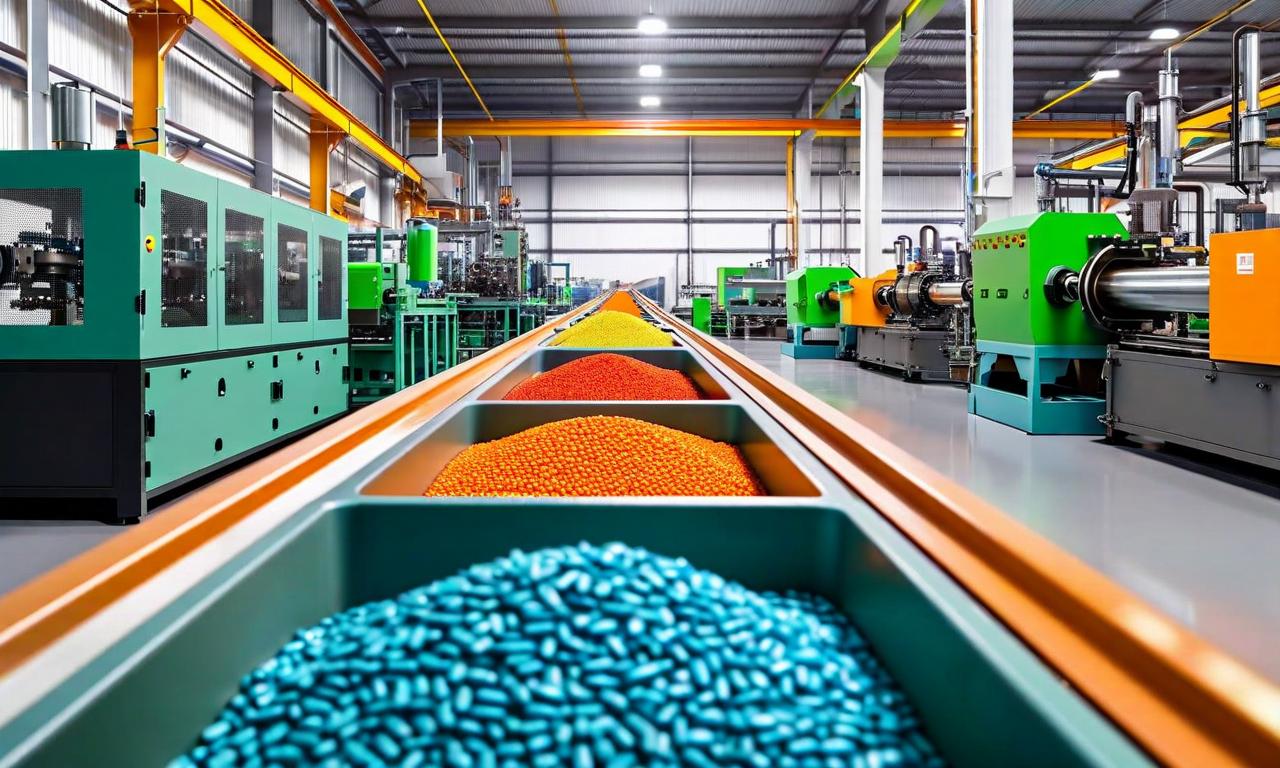
Jolly Plastic Industries successfully completed the preferential allotment of 1.77 crore e...
03 Apr, 2026
Read More →
Punjab Carbonic Limited has filed its Draft Red Herring Prospectus for an IPO of up to 95...
03 Apr, 2026
Read More →
Firm eyes biggest-ever listing that could raise up to 75 billion dollars. This would dwarf...
03 Apr, 2026
Read More →
The brokerage stated that the equity derivatives segment has successfully navigated a peri...
03 Apr, 2026
Read More →
Kay Jay Forgings has filed a draft red herring prospectus with SEBI for an IPO, seeking up...
03 Apr, 2026
Read More →
Lokesh Machines Limited has disclosed comprehensive voting results for its Extra...
Updated: 03 Apr 2026
Read →
Space exploration is witnessing significant momentum with SpaceX's planned IPO t...
Updated: 03 Apr 2026
Read →
Tech News News: Tesla CEO Elon Musk has responded to a recent report claiming th...
Updated: 03 Apr 2026
Read →Mumbai (Maharashtra) [India], April 3: Safety Controls & Devices Limited, an int...
Updated: 03 Apr 2026
Read →
Bijoy Hans Limited received BSE listing approval for 4,05,21,836 equity shares o...
Updated: 03 Apr 2026
Read →
Jolly Plastic Industries successfully completed the preferential allotment of 1....
Updated: 03 Apr 2026
Read →
Punjab Carbonic Limited has filed its Draft Red Herring Prospectus for an IPO of...
Updated: 03 Apr 2026
Read →
Firm eyes biggest-ever listing that could raise up to 75 billion dollars. This w...
Updated: 03 Apr 2026
Read →
The brokerage stated that the equity derivatives segment has successfully naviga...
Updated: 03 Apr 2026
Read →
Kay Jay Forgings has filed a draft red herring prospectus with SEBI for an IPO,...
Updated: 03 Apr 2026
Read →