Water Is Not Gender Neutral: Why Access Alone Won’t Drive Eq...
22 Mar 2026


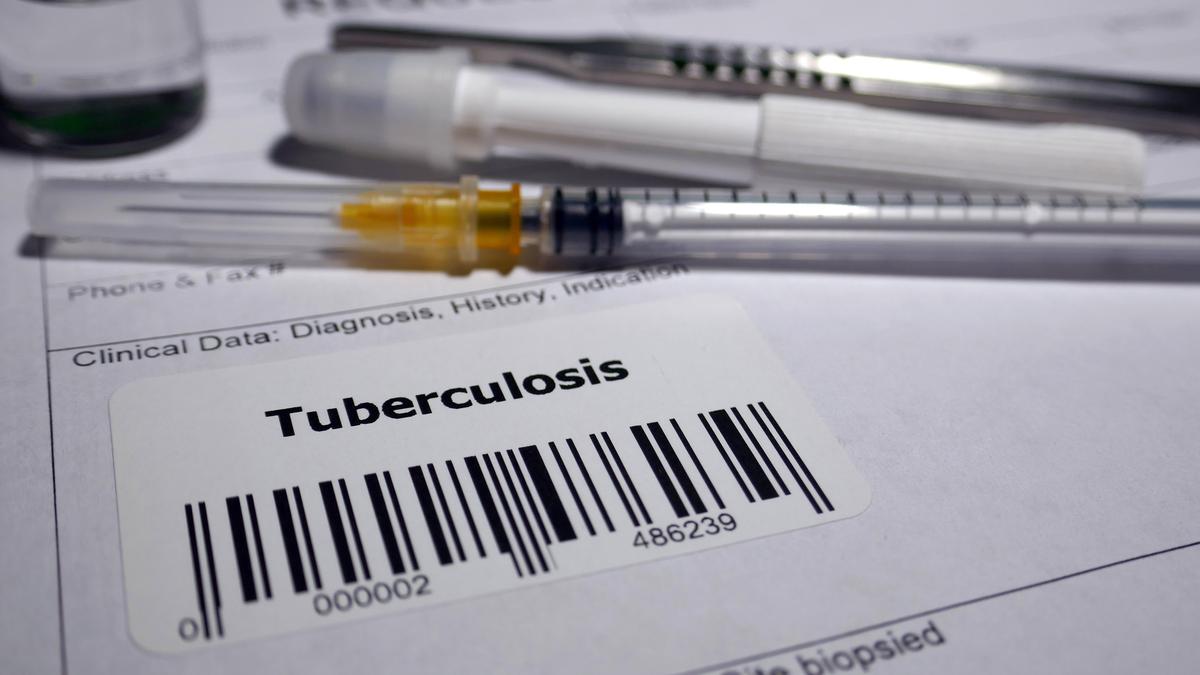
“I cannot go for sputum testing to the centre; it would mean losing a day’s work. Who will feed us?” asks 52-year-old Ganga, who works as a garbage collector, standing in front of her 50-sq. ft. home in a crowded slum in urban Pune. Ganga has been suffering from a cough and has experienced significant weight loss over the past two months, but has had to continue work, regardless. Subsequently, she was diagnosed with tuberculosis (TB) of the lungs (pulmonary TB), which is contagious.
Ganga’s is the dilemma of thousands of Indians who experience symptoms suggestive of TB. As per latest data from the World Health Organization’s Global Tuberculosis Report, yet again, India has topped the global burden of TB with about 25% of the estimated incident cases, despite 2025 touted to be the year the country aimed to attain the 2030 targets of the Sustainable Development Goals (SDGs) pertaining to TB.
Additionally, the global health scenario has been facing catastrophes in recent times, owing to the COVID-19 pandemic and the human-made disaster of massive fund cuts for health and development initiatives. Ongoing wars and cross-border tensions between nations have made millions homeless and left them struggling for basic amenities. These events have substantially impacted TB care activities across the globe to varying degrees.
TB at the margins
TB is a disease that reflects the inequities in a society, its poverty and the everyday distress of people at the margins. These facets make it a truly political disease and the highest level of commitment from systems is required for it to cease to be a public health threat - especially towards highly vulnerable populations.
One of those vulnerable populations are migrant labourers from States such as Bihar and Jharkhand who work elsewhere in the country. “There is often a misconception that the best thing for migrant workers in the city who fall ill, is to go back to their home states as they will get family and government support once they are in villages. But in many cases, they do not know how to proceed, with their livelihoods being lost and the rampant stigma towards TB”, explains Vidit Panchal, a community health physician who works amongst marginalised populations in Rajasthan and Chhattisgarh.
Stone crushing and iron ore mining are important occupations in the areas where Dr. Vidit works. These jobs lead to substantial lung damage among workers, through the inhalation of fine dust particles. Such unsafe, unchecked work environments with minimal accountability from employers, alongside poor housing and food scarcity contribute to these individuals becoming very high risk of contracting TB and having adverse outcomes, including death.
“Homelessness is yet another factor that rarely features in our mainstream public health narrative. Most homeless individuals do not have a valid Aadhaar card or mobile number, so many government centres do not even register them as patients”, says Dr. Vidit. This is a painful example of how people who require care the most, are denied it.
Gender is also a factor that compromises TB care. Women tend to delay seeking care owing to their domestic responsibilities, prioritisation of family needs over themselves and fear of stigma. Marginalised groups including the LGBTQ population also carry a high burden of TB, many times much higher than the national average.
The community perspective
“It’s 2026, and we are still struggling with delayed diagnosis. Despite having advanced molecular diagnostic technologies, we battle with a shortage of CBNAAT cartridges/Truenat chips, especially in rural and semi-urban settings,” says Meera Yadav, patient rights activist and XDR-TB survivor.
According to her, the diagnosis of extrapulmonary TB, which affects organs apart from the lungs, is the most difficult. While the sample needed for diagnosing pulmonary TB is the sputum, which is fairly easily obtained from the patient when they cough, the samples needed to diagnose TB of other organs may require advanced tests such as tissue biopsies and CT scans. These are generally expensive and not available in all settings, and this results in huge out-of-pocket expenditure, she says. She also raises concerns about the frequent drug stock outs that happened within the National Tuberculosis Elimination Programme (NTEP), which provides free treatment to persons with TB (PwTB), leading to long gaps in treatment.
NTEP also provides a direct benefit transfer (DBT) scheme, Ni-Kshay Poshan Yojana, for nutritional support, wherein ₹1000 is transferred per month to the beneficiary bank account, and Ni-Kshay Mitra where donors provide food baskets to PwTB.
However, the timelines of these payments have been very erratic owing to various technical reasons, with some PwTB receiving the benefit after completion of treatment only. “We are missing the window of opportunity, critical to prevent complications and deaths among PwTB by delaying these payments”, says community health professor Madhavi Bhargava.
The need to invest in strengthening diagnostic infrastructure for both pulmonary and extra pulmonary TB and to streamline both benefits and drug stocking is crucial at this stage.
“Another big gap in the programme is the lack of psychosocial support. PwTB face huge stigma from society and it can affect outcomes,” says Meera. TB survivors with lived experience can help PwTB navigate these difficult times, she adds, strongly emphasising formal engagement of people who have survived TB in the past to offer peer support. However, since the abrupt shutdown of USAID in 2025, which actively engaged TB survivors for peer support, several community support initiatives have closed down or are at the verge of closure. There is a need for the government to look into these initiatives and keep them going.
Steps in the right direction
Undernutrition still continues to be the most important factor leading to the risk of contracting TB and adverse outcomes in PwTB. Almost 7 to 8 lakh cases of TB in India are attributable to undernutrition. The ICMR-funded RATIONS trial in Jharkhand showed that incidence of TB among household contacts is lowered by almost 48%, by nutritional supplementation, and mortality among PwTB is lowered by almost 60%. It generated the much-needed evidence required for policy change regarding nutritional support in TB care. The latest guidelines from WHO on TB and undernutrition now emphasise nutritional support for TB prevention and the trial results have shaped these recommendations.
“The new WHO guidelines recommend that PwTB with even mild or moderate undernourishment as well as the household contacts of PwTB, should receive assessment, counselling and nutritional support as part of TB care. This ensures that adverse outcomes are prevented/minimised in undernourished PwTB and that household contacts get food as a preventive modality”, says Dr. Madhavi, who is also the co-lead of the RATIONS trial.
The government planning to introduce ready-to-use energy dense nutritional supplements (EDNS) for undernourished PwTB. But Dr. Madhavi expresses her concern over the EDNS plan, stating that they may mystify nutrition for users and may provide a window for industries to take over this space.
Another important introduction in NTEP last year was the differentiated TB care guidelines, which mandate the triaging of individuals at the time of TB diagnosis, to provide customised care in terms of hospitalization or home-based care, and thereby reduce mortality and morbidity. Findings from the Tamil Nadu Kasanoi Erappilla Thittam (TN-KET), a State-wide and State-specific differentiated TB care initiative implemented by T.N.’s NTEP and the ICMR-National Institute of Epidemiology from 2022 to 2025, suggest that TB deaths can be reduced by 20-40% by implementing a simple triage-based severity assessment at TB diagnosis.
“We used five parameters - body mass index, pedal edema, respiratory rate, oxygen saturation and ability to stand without support, to triage individuals and decide on hospitalization”, says Hemant Deepak Shewade, Scientist E at ICMR-NIE and one of the key persons behind TN-KET. This strategy is feasible in routine programme settings. It allows for admission of patients who need hospital care, quickly and provides home-based care to those who are not at risk for worsening.
“The nationwide roll out of differentiated TB care is a step towards improving quality of care, but it is useful to triage only if only if we remain realistic, implement a simple triage-based strategy that can be implemented in all facilities, and if we can ensure that there are enough isolation TB beds in our districts with provision of therapeutic nutrition,” adds Dr. Hemant.
Tackling what’s ahead
Addressing TB through a social as well as medical lens, is essential for sustained results. The Ni-Kshay Mitra initiative needs to cast a wider safety net to cover more PwTB and their families. Donors now also have the formal option of providing psychosocial support. Apart from strengthening diagnostic and therapeutic capabilities, eliminating drug shortages and stock-outs and reducing deaths through differentiated care, we need to enhance our engagement with social determinants through social protections and nutrition support, to realise our TB elimination goals in the near future.