Are we in a paradigm shift in our #endTB response?
22 Mar 2026


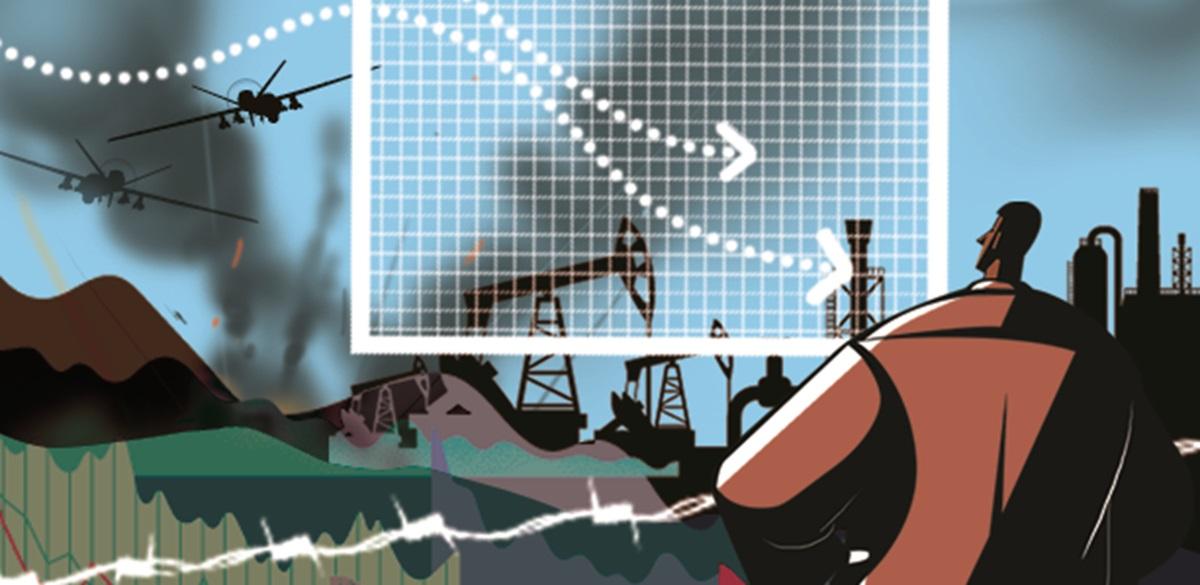
The shipment of oil through the Strait of Hormuz, which provides transit for about 20 per cent of the world’s oil and gas, has come to a virtual halt.
Brent crude prices have risen by 44.6 per cent since the war began, closing at $106.9 per barrel on Friday.
The longer the war drags on, the worse it is going to get for India in terms of inflation, balance of payments, and rupee depreciation, as India is a huge net importer of oil. The rupee on Friday hit an all-time low of 93.72 against the US dollar.
Indian equities were already facing multiple headwinds, and the conflict in the West Asia has further dampened investor sentiment.
“It depends on how the events unfold in the West Asia. As of now, things have got worse, and that should get reflected in Monday’s opening. It does not look like either party is backing out. We cannot see anyone doing a peace mediation either. If the blockade of the Strait of Hormuz is sorted out, then things can look a bit better for countries like the rest of Asia and us,” said U R Bhat, co-founder of Alphaniti Fintech.
The ongoing war has pushed foreign portfolio investors (FPIs) back into risk-off mode. FPIs were net sellers worth Rs 82,700 crore in March, their largest monthly net selling since October 2024.
Bhat noted that FPIs face losses even without selling due to rupee depreciation. As oil and general prices rise, company profits come under pressure, making investors cautious until market stability returns.
The war has also upended assumptions about a corporate profit revival in the next financial year, which was the only potential catalyst for a market upmove.
“All the double-digit profit growth assumptions have to be revisited as no one factored in the Iran war, and certainly the extent of its disruption on energy prices. Earnings downgrades will happen once the earnings season begins next month,” said Ambareesh Baliga, an independent equity analyst.
Baliga added that investors could consider increasing positions in high-conviction stocks as valuations now look attractive, while remaining prepared for further volatility.
“For those who are sitting on some amount of cash, if you are not investing now, you will never invest. No one knows the bottom, and one needs to be clear that you will never be buying at the bottom,” said Baliga.
But some experts, in contrast, advise caution and say investors should wait for the situation to stabilise before taking active positions.
“Once there is clarity on the resolution of the war, markets will bounce back, but you cannot time the bottom. For retail investors, it is worth waiting because even if they have to pay 3–4 per cent extra after the recovery, it is still worth the risk,” said Bhat.