With inflation staying unusually low and the economy showing strong growth, expectations of a small rate cut have gathered pace.
Will RBI announce a 25 bps rate cut? What to expect from the upcoming MPC meeting
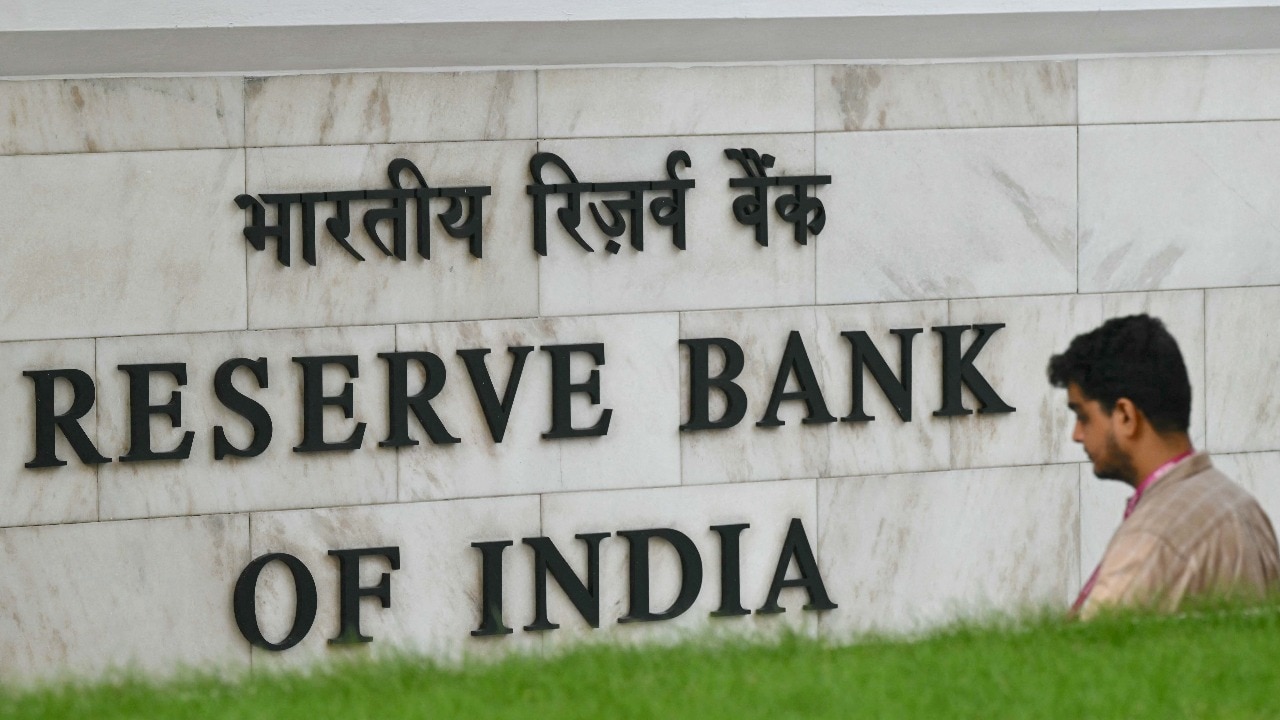
As the Reserve Bank of India (RBI) gears up for its monetary policy announcement next week, many economists believe the central bank may reduce the repo rate by 25 basis points to 5.25%.
With inflation staying unusually low and the economy showing strong growth, expectations of a small rate cut have gathered pace.
WHY A RATE CUT IS ON THE TABLE
The RBI will review its monetary policy between 3 and 5 December, with Governor Sanjay Malhotra set to announce the outcome on December 5.
Several analysts believe that a 25 bps cut could support the economy at a time when price pressures are soft. Retail inflation, measured by the Consumer Price Index (CPI), has remained well below the comfort zone set by the government.
The RBI had already begun easing rates in February last year and has lowered the repo rate by a total of 100 bps since then, before pausing in August.
ROBUST GDP GROWTH MAKES THE CALL TRICKY
While inflation remains low, India’s economic growth has also surprised on the upside. The country posted 8.2% GDP growth in the second quarter, the highest in six quarters.
According to Pramod Kathuria, founder and CEO, Easiloan, “As we head into the December MPC meeting, we expect the RBI to maintain its cautious and data-driven stance. While easing inflation and signs of a stabilising macro environment have strengthened the case for considering a rate cut, the central bank is likely to weigh this against global uncertainties and the need to preserve financial stability.”
He added that even a gradual move towards lower rates would help boost credit demand and lift consumer sentiment, though any policy shift will likely remain measured to ensure the disinflation path stays intact.
Meanwhile, with the MPC meeting just days away, both investors and borrowers are watching closely. A rate cut could make loans slightly cheaper, but the RBI may also choose to wait for clearer economic signals before easing further.
- Ends