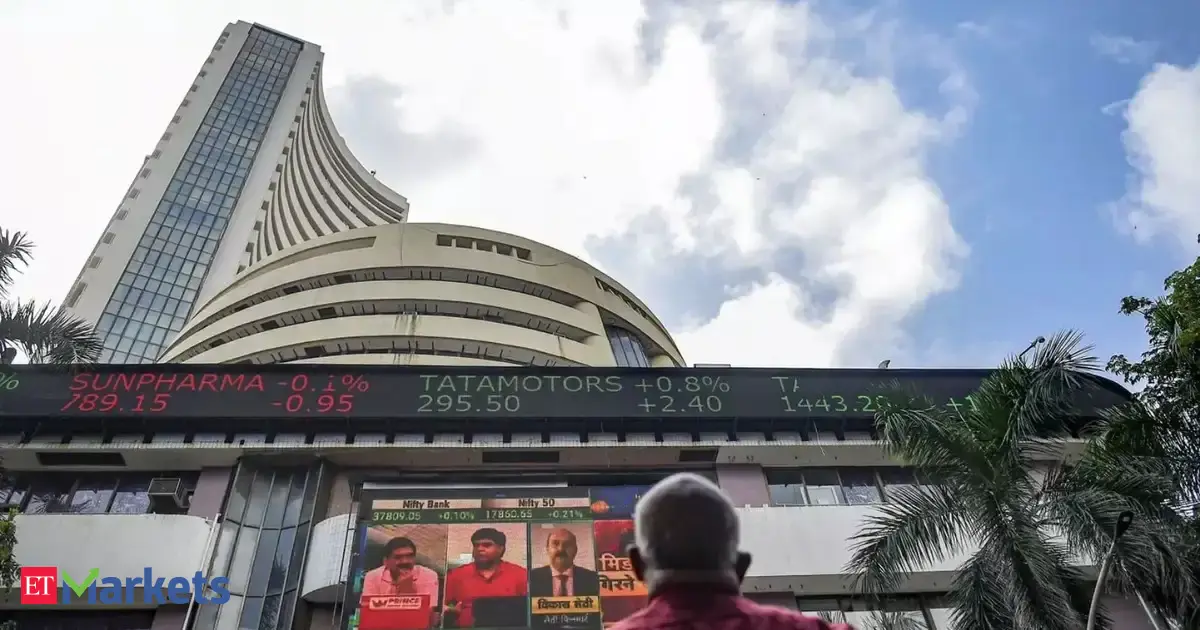
Sebi’s board is set to meet later this month. From changes in the total expense ratio framework to the securities lending and borrowing mechanism to ease business for foreign portfolio investors, here are the likely agendas to be discussed.
Sebi Board To Meet On December 17: Here's What To Expect
The Securities and Exchange Board of India’s (Sebi) board is set to meet later this month on December 17, to consider a host of regulatory reforms. Among the major items up for discussion is Sebi’s proposal to exclude all statutory levies from the total expense ratio (TER) charged by mutual funds. The regulator wants securities transaction tax (STT), commodity transaction tax (CTT), stamp duty and Goods and Services Tax (GST) to be kept outside the TER cap and passed directly to investors. At present, only GST on management fees is charged separately, while the rest are absorbed within the TER. Sebi has argued in its October 28 consultation paper that removing these levies from the cap would eliminate confusion and ensure that any future changes in government taxes are reflected more transparently.
The board is also likely to revisit another proposal from the consultation paper: scrapping the additional 5 basis points (bps) that funds can currently charge on schemes that levy an exit load. The provision was originally meant to be temporary, and Sebi now wants it removed entirely. To cushion the impact on asset management companies (AMCs), Sebi has suggested raising the first two TER slabs for open-ended active schemes by 5 bps.
Brokerage costs are another area where the regulator is preparing to tighten norms. Sebi, in its October 28 consultation paper, had proposed a reduction in the brokerage and transaction expenses that can be charged within the TER, from 12 bps to 2 bps for cash trades, and from 5 bps to 1 bps for derivatives.
He had told the audience at the CNBC TV-18 Global Leadership Summit: “An active SLBM scheme is critical for improving price discovery and facilitating interlinkage between the cash and derivatives segments. From a borrower’s perspective, it facilitates the settlement of securities sold short, while lenders can earn a fee on their idle securities.”