Faced with a Catch-22, the Supreme Court's order effectively allows the government to withdraw without even appearing to retreat.
Setback or breather? What Supreme Court pause on UGC equity rules means for Centre
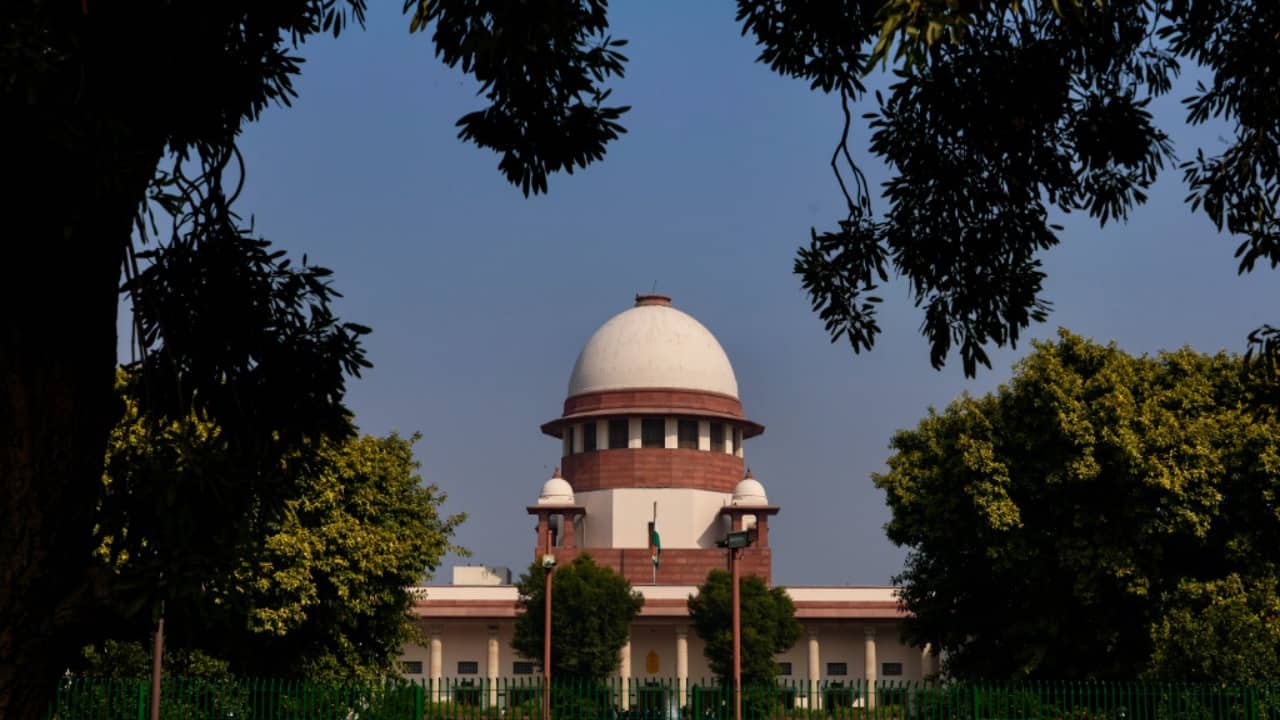
The Supreme Court on Thursday ordered that the University Grants Commission (Promotion of Equity in Higher Education Institutions) Regulations, 2026 be kept in abeyance and directed the Centre to rework the rules, dealing a blow to the January 13 notification that had triggered nationwide protests by upper-caste groups.
Calling for a committee of eminent jurists to revisit the regulations to prevent possible “exploitation”, the court said the language of the new rules was “vague” and “capable of misuse”.
A bench of Chief Justice Surya Kant and Justice Joymalya Bagchi issued notices to the Centre and the UGC, seeking their response by March 19, and said the 2012 UGC regulations would continue to operate in the interim.
“The unity of India must be reflected in our educational institutions. After 75 years, is all that we have achieved to become a classless society? Are we becoming a regressive society? We cannot go further backwards,” the Bench observed while staying the new regulations.
While the order is a clear setback for the Centre, it may also come as a breather for the government, which had found itself on the back foot amid mounting protests after the notification.
Upper-caste groups have argued that while the draft rules circulated in January 2025 retained safeguards against false complaints and ensured due process, the final regulations dropped those protections, narrowed the definition of caste-based discrimination to SC, ST and OBC categories, and left general category students without any safeguards.
Student protesters warned that the new rules would create chaos on campuses by shifting the burden of proof entirely onto the accused. "The regulations are draconian in nature. The definition of the victim is already predetermined. The victim can be anyone on campus,” said a Delhi University student who participated in the protests.
As demonstrations spread across states and criticism grew among communities traditionally seen as the BJP’s core support base, Union Education Minister Dharmendra Pradhan stepped in to calm tempers.
“I want to humbly assure everyone that no one is going to face harassment. There will be no discrimination and no one will have the right to misuse the regulation in the name of discrimination,” Pradhan told reporters. “Whether it is the UGC, the Union government or the state governments, everyone has a responsibility. I assure you it will remain within the ambit of the Constitution of India.”
Despite the reassurance, unease within the BJP deepened. In Uttar Pradesh, several party office-bearers quit in protest as resentment grew within the rank and file over the inclusion of OBCs in the definition of disadvantaged groups facing discrimination without corresponding safeguards for the general category.
At the same time, the party faced a political catch-22. Any voluntary rollback or dilution of the rules would have handed the Opposition an opportunity to brand the BJP as anti-OBC and pro-upper caste -- a charge the party has spent years trying to counter.
Over the past decade, the BJP has carefully built a strong OBC support base that now accounts for over 40 per cent of India’s electorate, a shift that has underpinned its expansion across the Hindi heartland and beyond. Protecting that social coalition has been central to its electoral strategy.
In that sense, the Supreme Court’s intervention gives the BJP crucial breathing space to recalibrate its response to a controversy that was rapidly slipping out of its control while also allowing the government to step back without appearing to retreat.