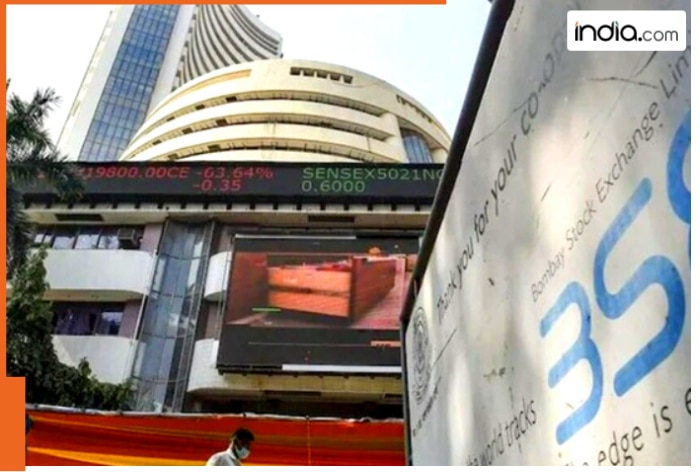
Ceasefire cheer lifts stock markets; Sensex, Nifty close wit...
08 Apr 2026


West Asia conflict shifts RBI tone to caution; Rajkumar Singhal suggests investment strategy as RBI cuts growth outlook, raises inflation forecast
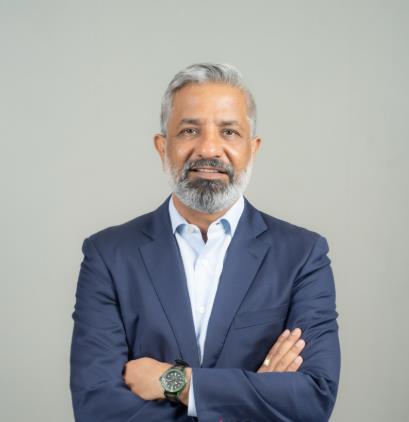
Rajkumar Singhal, CEO, Quest Investment
Rajkumar Singhal Mumbai
Listen to This Article
The Reserve Bank of India has kicked off FY 2026-27 (FY27) by holding the repo rate at 5.25 per cent and maintaining a 'Neutral' stance. While India entered March 2026 with strong momentum, the outbreak of conflict in West Asia has shifted the narrative from "buoyant growth" to "cautious vigilance". The tone has transitioned from optimism to addressing a significant supply shock which if extended can transform into demand shock as well.
The disruption in the Strait of Hormuz is creating input shortages and raising international freight and insurance costs. Global crude oil prices are surging, leading to "imported inflation" risks and a widening trade deficit. The US dollar has strengthened, putting depreciation pressure on the Rupee. Meanwhile, 10-year G-Sec yields hardened to 7.05 per cent as of April 6, up from 6.66 per cent in February.
The RBI has adjusted its projections to account for the "downside risks" of the conflict. Real GDP growth for 2026-27 is projected at 6.9 per cent (down from the 7.6 per cent estimated for the previous year). CPI inflation is projected at 4.6 per cent for 2026-27. While food prices are currently stable due to high reservoir levels, the potential for El Niño conditions in mid-2026 is a key upside risk to monitor.
Inflation risks, especially with volatile commodity prices and global instability, mean we can't let our guard down. Because of this, the Reserve Bank of India (RBI) has a very cautious tone in the policy. They have decided to continue with the neutral stance, retaining the flexibility to respond judiciously to incoming information, which could mean acting either way. READ | From goldilocks to vulnerable: How RBI navigated West Asia energy shock
Indian stocks have been underperforming lately, with earlier underperformance driven by India being tagged as anti-AI trade and now Indian economy vulnerabilities coming out in open due to west Asia conflict. Foreign Portfolio Investment (FPI) has seen significant net outflows, $16.5 billion in 2025-26 and another $5.4 billion in early April 2026, driven largely by the equity segment.
Though the outlook for the equity market looks foggy given the conflict, the recent fall in the valuations of the market is providing interesting opportunities. This climate also bolsters the argument for focusing on quality and resilience when building portfolios. Companies with robust free cash flows, the ability to set prices, low debt, and clear, consistent earnings are likely to fetch a higher valuation.
Investors might want to increase their stake in top-tier Financials, Consumption as a sector, and manufacturing and Infrastructure. These areas seem poised to keep growing, even with a tougher economic climate. The financial sector remains a pillar of strength. Scheduled Commercial Banks (SCBs) have healthy capital adequacy (16.91 per cent) and declining GNPA ratios (1.89 per cent). Bank credit growth continues to be broad-based and on an upward trajectory.
Government capex is budgeted to expand by 11.5 per cent in 2026-27, which supports long-term industrial prospects. Rural demand is expected to gain traction from favourable agricultural conditions, while urban consumption remains aided by GST rationalisation and a buoyant services sector.
It's also time to give fixed income another look. For years, bonds were often sidelined as everyone chased stock market gains. But now, yields are looking good. And rates will probably stay high for a while. Fixed income is once again providing solid real returns and helping to diversify portfolios. Balanced investment strategies should start taking this shift in risk and reward more seriously. The RBI's position isn't necessarily bad news for markets.
A disciplined central bank that prioritises inflation control and macroeconomic stability lays the groundwork for lasting capital market performance. Investors shouldn't let short-term disappointment over delayed rate cuts overshadow the long-term benefits of policy credibility. The message from this MPC seems straightforward.
Monetary policy's stance often sets the initial tone for investing. Yet, it is the underlying fundamentals that ultimately shape investment outcomes. The RBI has been clear about its position, and investors would do well to pay attention. Investors should focus on quality and domestic-oriented sectors that can withstand higher input costs.
While the immediate outlook is clouded by geopolitical "downside risks," the fundamental drivers, robust private consumption, investment demand, and healthy corporate balance sheets, suggest that the long-term structural story for Indian equities remains intact.
==============
Disclaimer: Rajkumar Singhal is CEO at Quest Investment Managers. Views expressed are personal.
Don't miss the most important news and views of the day. Get them on our Telegram channel
First Published: Apr 08 2026 | 1:18 PM IST