
Dhanuka Agritech FY26 Net Profit ₹2,872 Cr; Approves ₹70 Cr...
Dhanuka Agritech announced its audited financial results for FY26, reporting a n...

Dhanuka Agritech announced its audited financial results for FY26, reporting a n...
Dhanuka Agritech announced its audited financial results for FY26, reporting a net profit...
19 May, 2026
Source: scanx.trade
Read More →New Delhi [India], May 19: For the longest time, investment banking in India felt like a m...
19 May, 2026
Source: The Tribune
Read More →
RAN Ventures Private Limited, a promoter group entity, acquired 1,00,000 equity shares of...
19 May, 2026
Source: scanx.trade
Read More →
Sensex, Nifty end lower amid global tensions - Mumbai, May 19 Indian benchmark equity indi...
19 May, 2026
Source: Lokmat Times
Read More →The domestic equity markets closed with marginal losses on Tuesday as investor sentiment r...
19 May, 2026
Source: The Tribune
Read More →
Rahul Nagar, an incoming promoter, has acquired 4,64,310 equity shares (8.38%) in Pankaj P...
19 May, 2026
Source: scanx.trade
Read More →
The rise in global bond yields, now above 4.6%, is raising concerns for financial markets...
19 May, 2026
Source: Livemint
Read More →
The debut flight of the Starship V3, outfitted with new features designed to support futur...
19 May, 2026
Source: Devdiscourse
Read More →
MUMBAI, May 19: Iscon Balaji Foods (IBF) on Tuesday said it is raising USD 215 million in...
19 May, 2026
Source: Daily Excelsior
Read More →
Authum Investment & Infrastructure Limited has scheduled a Board of Directors meeting on M...
19 May, 2026
Source: scanx.trade
Read More →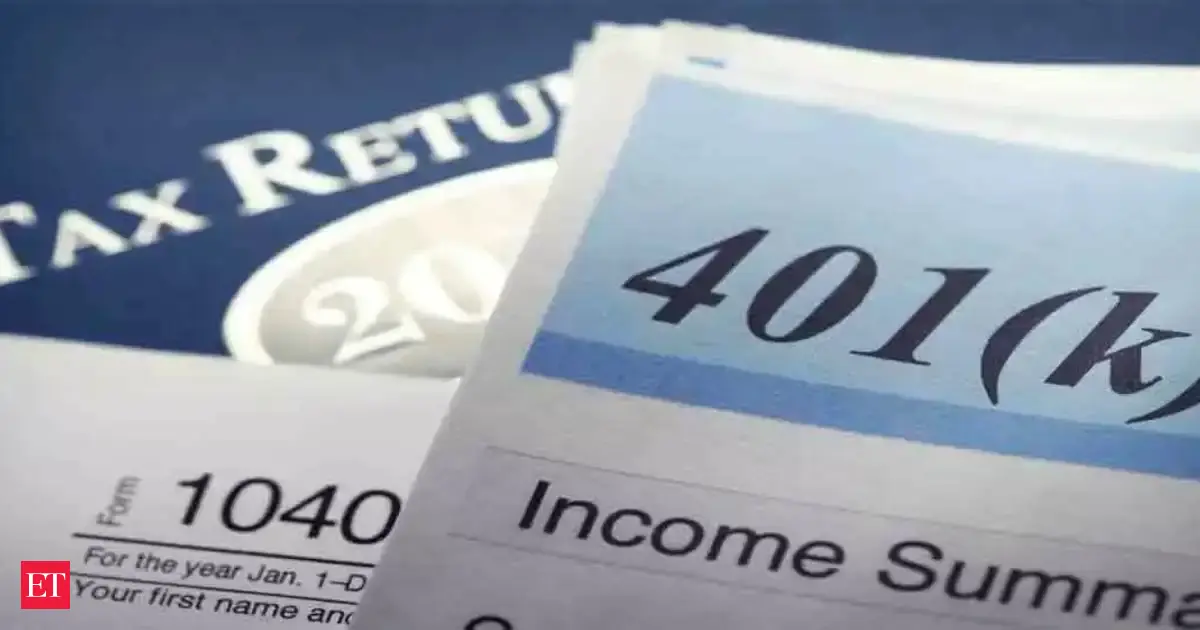
Trump 401(k) private market investments are becoming one of the biggest retireme...

Indian equity markets are trading in the red during midday with Nifty 50 down 0....

Welcome to TrendMap, your visual guide to investment performance. This edition t...
Indian equity markets opened on a positive note on Thursday, tracking gains in A...

Stock Market Live Updates: GIFT Nifty is signalling a positive start for equity...

Over the next four quarters, one number will move the rupee, the bond yield, the...

Existing equity schemes attracted record inflows in March and April 2026 as inve...

Indian equity markets ended positively with Nifty 50 gaining 0.22% to 23,379.55...

Asian stocks declined as US inflation accelerated, influenced by rising oil pric...

The Indian rupee hit a record low for the second consecutive day, while key equi...