Turtlemint's IPO Set to Transform Fintech Landscape
26 Mar 2026


 "Startup")
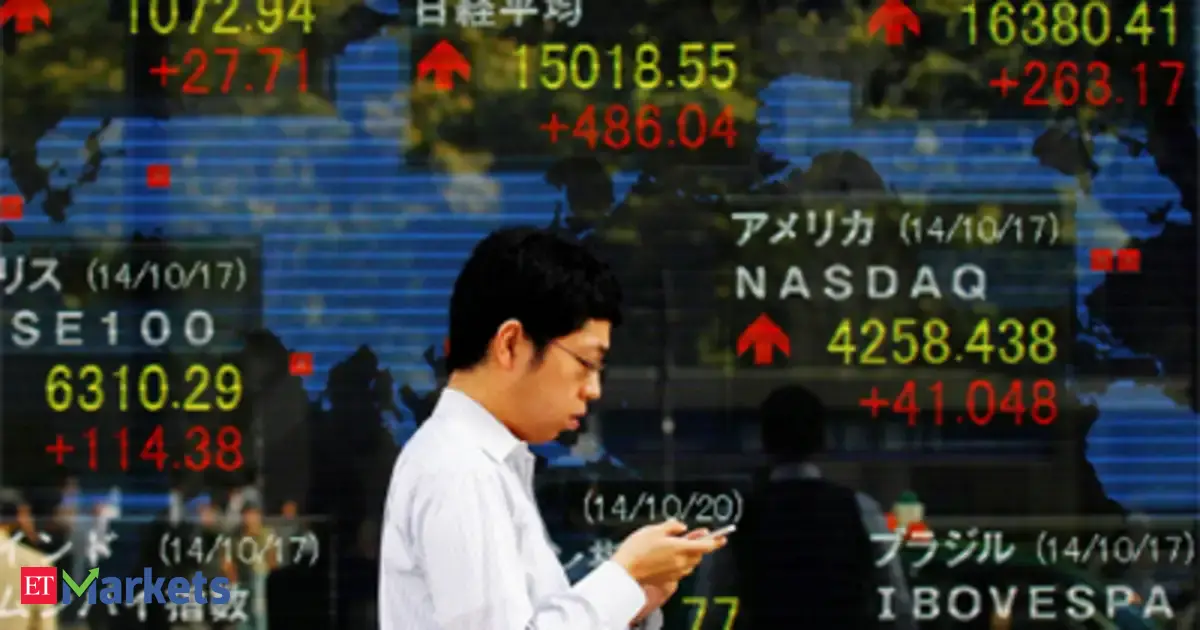
Japan’s primary market is flashing fresh signs of stress, with a string of weak stock market debuts marking the longest run of first-day IPO declines since 2020, as geopolitical tensions in West Asia dent investor appetite for risk.
Shares of J-Pharma slumped as much as 22 per cent on their trading debut, while Basic fell up to 8 per cent, even as broader Japanese equities advanced in line with regional markets. Their performance extends a worrying trend: at least five companies listing this year have opened below their offer price.
The losing streak marks the weakest run of IPO debuts since March 2020, underscoring the fragility of investor sentiment amid the ongoing conflict involving Iran, which has roiled global markets and heightened volatility.
Despite gains in benchmark indices such as the Nikkei 225, investors have turned cautious on newly listed stocks — traditionally seen as higher-risk bets — as uncertainty lingers over geopolitical developments and their economic fallout.
Market participants say the shift in sentiment is particularly visible in the primary market, where activity has slowed sharply. Only seven IPOs have been priced in Japan so far in 2026, marking the weakest first-quarter issuance since 2011, according to Bloomberg-compiled data.
“The sentiment is getting pretty bad,” Takamasa Ikeda, a senior portfolio manager at GCI Asset Management, told Bloomberg News, noting that he has refrained from participating in IPOs this month. He added that buying shares in the secondary market appears more attractive than subscribing to new listings at current valuations.
The downturn comes as Japan’s equity market recently slipped into a technical correction, with risk aversion intensifying globally due to the Iran conflict. IPOs, often more sensitive to shifts in sentiment, have borne the brunt of this pullback.
Structural changes in Japan’s IPO ecosystem are also playing a role. Banks have increasingly pivoted toward larger deals, while the Tokyo Stock Exchange has tightened listing requirements for companies on its startup-focused segments. These changes have reduced the number of smaller listings, with such deals hitting a 12-year low last year.
The combined effect of geopolitical uncertainty and evolving market dynamics suggests that Japan’s IPO pipeline may remain subdued in the near term, unless investor confidence stabilises and risk appetite returns.
With inputs from Bloomberg News.






)