Turtlemint's IPO Set to Transform Fintech Landscape
26 Mar 2026


 "Startup")
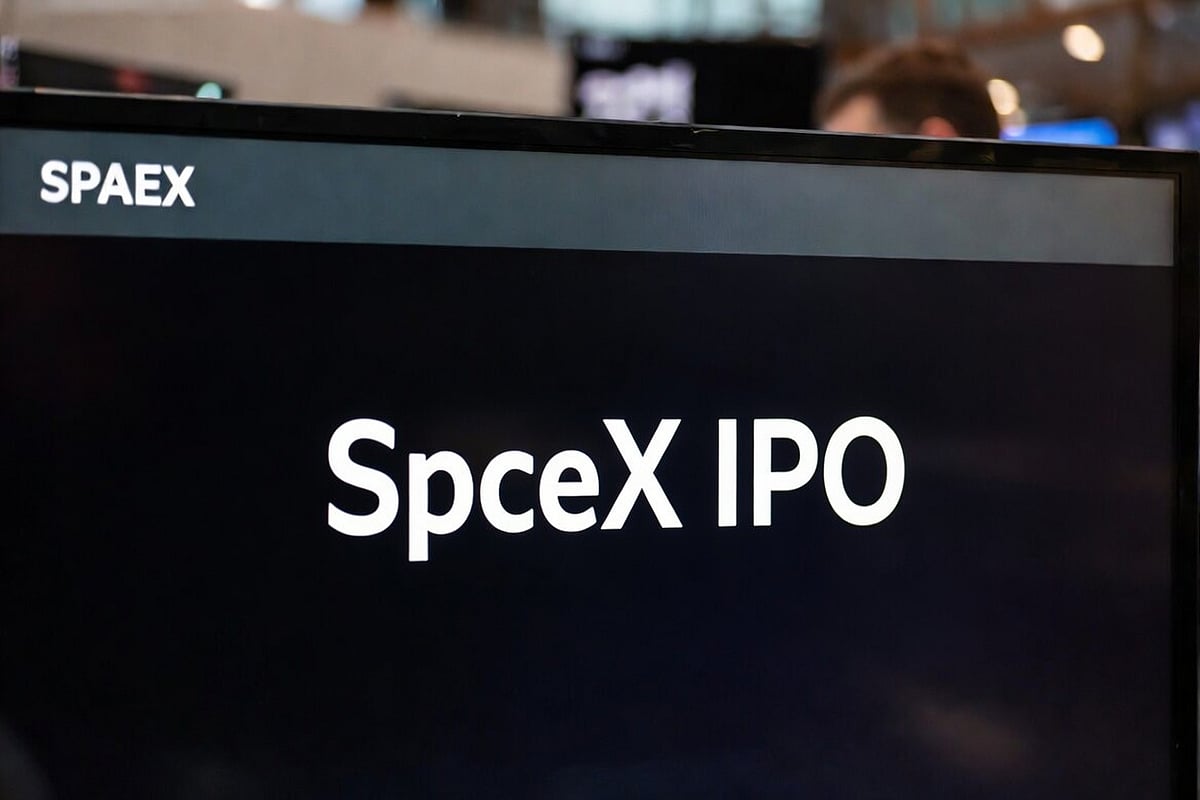
Elon Musk’s SpaceX is preparing to file its initial public offering (IPO) prospectus with regulators as early as this week, The Information reported, setting the stage for what could become one of the largest listings in history.
Advisers working on the deal expect the company could seek to raise more than $75 billion, potentially valuing the space launch and satellite giant at unprecedented levels. The final structure of the offering remains under discussion, though allocations to individual investors could exceed 20 per cent, the report said.
Investor enthusiasm lifts space stocks
The prospect of a SpaceX listing has already buoyed sentiment across the commercial space sector. Shares of companies such as AST SpaceMobile and Planet Labs rose between 3 per cent and 4 per cent in premarket trading, reflecting expectations that a marquee IPO could unlock fresh capital for the industry.
The listing could also draw in retail investors familiar with Musk’s Tesla, broadening the investor base beyond traditional aerospace backers.
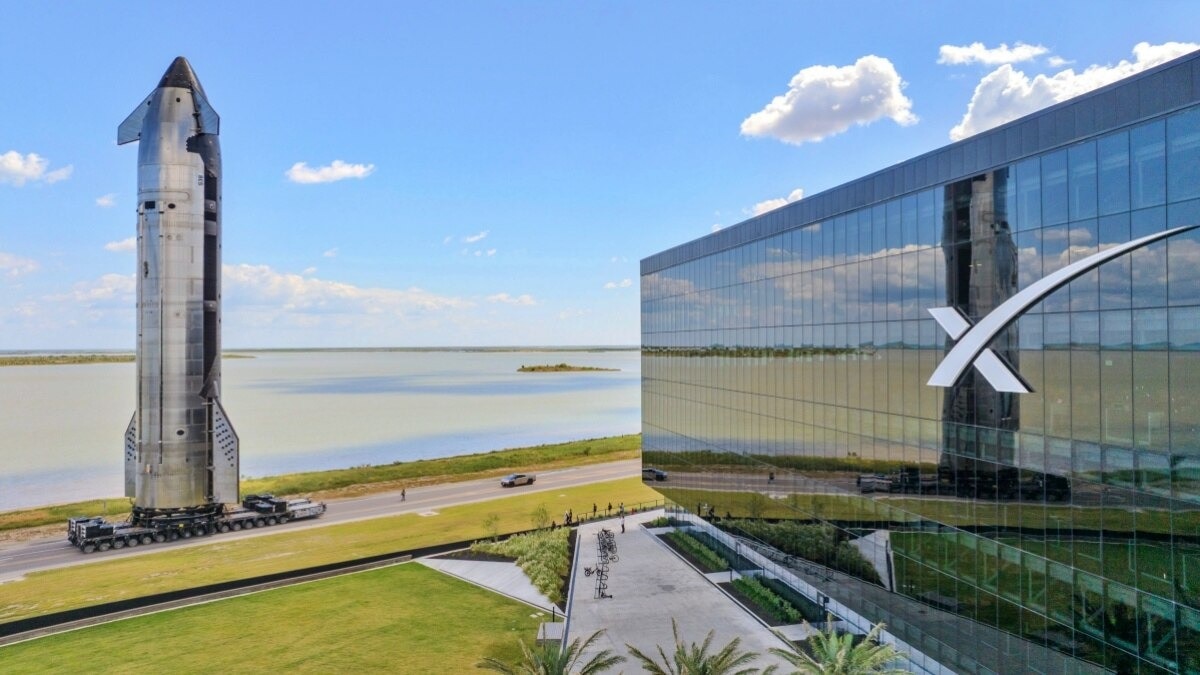
Founded in 2002, SpaceX has grown into the world’s most active launch provider, driven by its reusable Falcon 9 rockets and the ambitious Starship programme. Its Starlink satellite network has emerged as a dominant force in space-based broadband, underpinning recurring revenue streams.
IPO tied to long-term space infrastructure vision
The company’s IPO ambitions are closely linked to its longer-term strategy of building orbital infrastructure, including data centres in space — a concept gaining traction amid surging demand for artificial intelligence computing capacity.
Last month, SpaceX acquired Musk’s artificial intelligence venture xAI in a deal that reportedly valued SpaceX at $1 trillion and xAI at $250 billion.
Secondary market frenzy raises red flags
Even as anticipation builds, the opaque market for pre-IPO SpaceX shares is drawing scrutiny, with investors increasingly uncertain about what they actually own.
Many have gained exposure through special-purpose vehicles (SPVs) — layered investment structures that pool capital to secure rights to future shares. However, these arrangements often involve multiple intermediaries, making it difficult to verify underlying ownership.
The complexity has fuelled concerns that some investors may be holding little more than contractual claims rather than actual equity. Industry participants say shares can pass through several intermediaries, each adding fees and reducing potential returns.
FOMO drives risk-taking
Despite the risks, demand for SpaceX exposure remains intense, driven in part by fear of missing out on what some investors describe as the “hottest IPO opportunity in history”.
The surge in interest reflects a broader shift in global capital markets, where high-growth technology companies are staying private longer, building valuations and investor demand before going public.
However, experts caution that lofty valuations could limit upside. Historical trends suggest companies debuting at elevated revenue multiples often underperform broader markets over time.



)