Dolphin Tanki 5.0 Empowers Young Entrepreneurs With Grants,...
19 Mar 2026


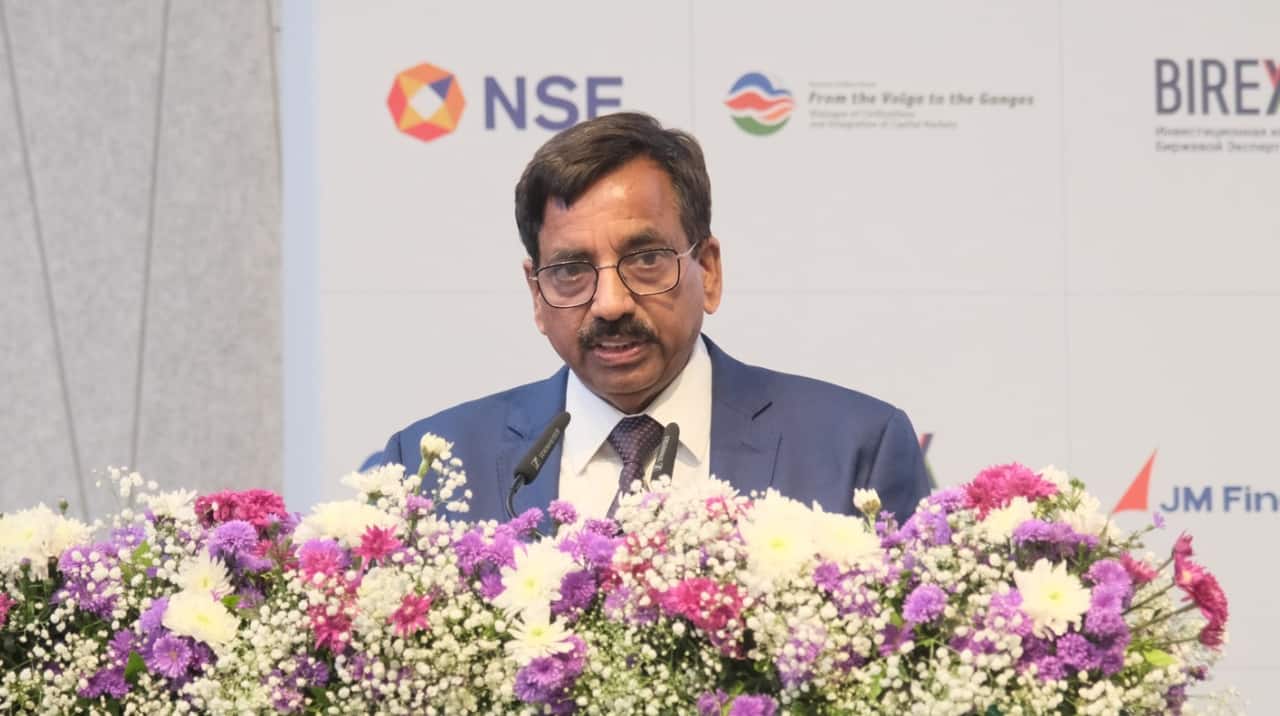
India’s capital markets offer expanding opportunities for Russian investors as regulatory cooperation and evolving market access frameworks draw foreign interest, senior officials said at the From the Volga to the Ganges: Dialogue of Civilizations and Integration of Capital Markets forum hosted at the NSE.
“India’s capital markets are becoming more accessible and efficient,” said Kamlesh Chandra Varshney, whole‑time member of the Securities and Exchange Board of India (SEBI). Varshney noted that technological innovation and streamlined processes are helping reduce the cost of market participation and broaden access.
“Some Russian companies can even set up subsidiaries in India,” Varshney added. “Such subsidiaries can raise capital through Indian markets, leverage India’s technological capabilities, and employ the country’s skilled labor force. In some cases, their valuation in India has exceeded that of the parent company overseas.”
The number of Russian‑linked FPIs has climbed significantly in the past two years, reflecting increased interest in Indian markets as an alternative destination amid geopolitical headwinds and sanctions affecting Western capital flows.
SEBI is also working to make India’s capital markets more attractive to foreign investors overall, including proposals to drastically cut FPI registration timelines and expand digital onboarding tools.
One tangible sign of deepening investor engagement is the rise in Russian registrations as FPIs. Initially, only a handful — including Alfa Capital Management, First Asset Management, Igor Noskov, and Vsevolod Rozanov — were registered as FPIs with SEBI, alongside Sberbank, the first Russian bank to obtain an FPI licence in India in late 2023.
Currency and settlement challenges remain a focus of dialogue between India and Russia.
Sergey Glazyev, Economic Advisor to the President of Russia, emphasised the need to address currency conversion hurdles and enhance participation in each other’s financial markets. He described current international economic turbulence and outlined Russia’s efforts over recent years to pivot trade flows toward Asia, including greater reliance on national currencies for settlement rather than the U.S. dollar and exploration of digital currency mechanisms for cross‑border transactions.
From India’s side, officials underscored steps to bolster rupee‑based trade settlement mechanisms. Reserve Bank of India (RBI) representatives noted frameworks already in place to allow the Indian rupee to be used for trade flows, helping reduce foreign exchange risks for participants and creating a foundation for broader financial cooperation.
Speakers from both the nations framed these initiatives against the backdrop of geopolitical shifts and global economic uncertainty, noting a mutual interest in strengthening financial ties, deepening capital market integration, and exploring new financial infrastructure, including national currency systems and payment integration.
Varshney stressed that stronger engagement is not only about investment figures but also about building confidence and facilitating long-term cooperation in capital markets. “India and Russia can elevate their financial partnership, creating routes for investment, technology exchange, and economic growth,” he said.
While acknowledging that currency and settlement challenges remain, Varshney highlighted the collaborative efforts between India and Russia. “Some funds are lying overseas. With proper guidance and procedure, this money can be used efficiently in India,” he said.
He also cited SEBI’s engagement with the RBI, Russian banks, and other industry representatives to create avenues for seamless cross-border investment. “We regularly interact with embassies, regulatory bodies, and market participants to address issues and explore opportunities for both countries,” he said.
Disclaimer: The views and investment tips expressed by experts on Moneycontrol.com are their own and not those of the website or its management. Moneycontrol.com advises users to check with certified experts before taking any investment decisions.