Dolphin Tanki 5.0 Empowers Young Entrepreneurs With Grants,...
19 Mar 2026


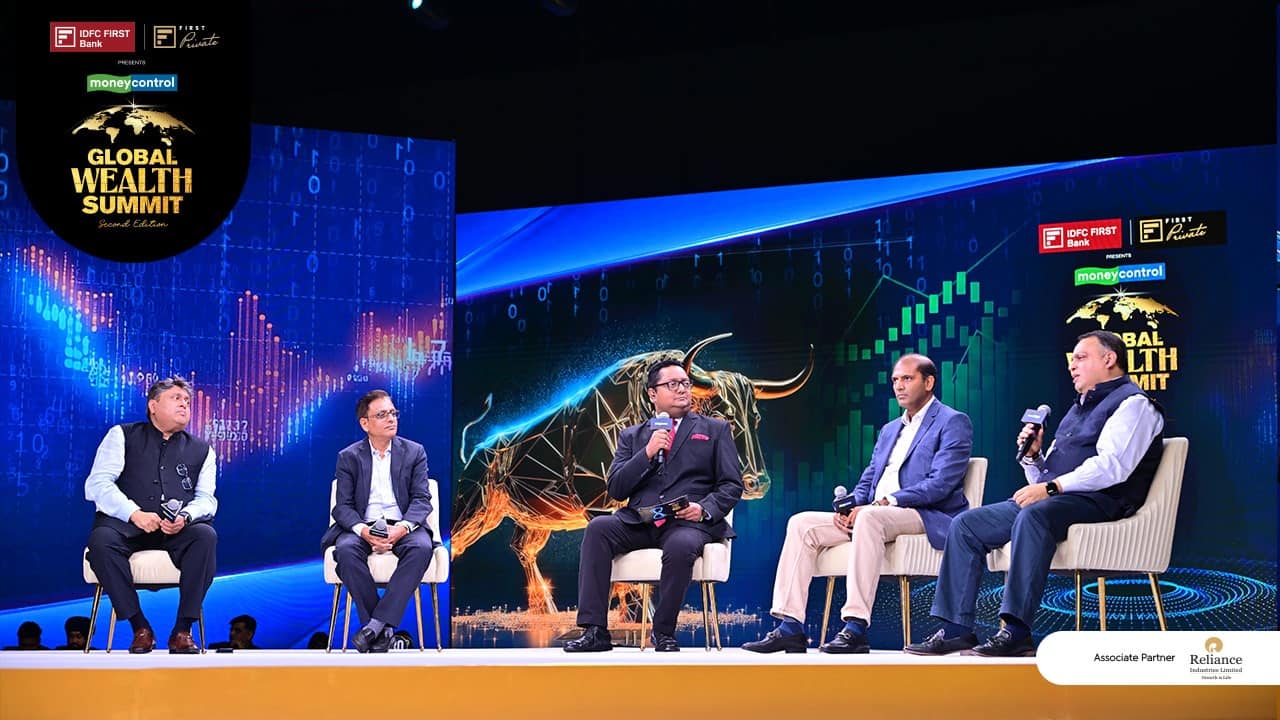
India’s start up ecosystem is entering a defining phase, one that moves beyond venture-fuelled expansion into the discipline and scrutiny of public markets. At the Moneycontrol Global Wealth Summit 2026, this shift played out clearly across conversations with investors, bankers and founders, all pointing to a more demanding, but ultimately more durable, growth cycle.
For much of the last decade, scale was synonymous with speed, user growth, market share and capital deployment. That equation is now being reset. As Sunil Singhania, Founder, Abakkus Asset Manager, noted, recent volatility has exposed how quickly sentiment can turn, with markets capable of moving “more than fair value: on both the upside and the downside.” The message is clear: excesses are being corrected, and capital is becoming more discerning.
That recalibration is also visible in how investors are approaching the market. Rajeev Thakkar, CIO & Director, PPFAS Mutual Fund, emphasised that while this is not a broad-based market crash, valuation imbalances remain beneath the surface. The implication for new-age companies is unmistakable, public market investors are no longer underwriting growth without a clear path to profitability, cash flows and governance discipline.
Nowhere is this shift more evident than in the IPO market. Despite a strong pipeline, activity has become more measured. Abhinav Bharti, MD & Head of India Equity Capital Markets, JP Morgan, described the current phase as “a reset of valuation,” with issuances temporarily pausing for stability rather than stalling altogether. Importantly, he pointed out that companies listing after such resets have historically delivered stronger long-term outcomes, suggesting that this phase may ultimately improve the quality of public market entrants.
From the capital markets perspective, the correction is being viewed constructively. Atul Mehra, MD & CEO, Axis Capital, framed it as “a dislocation rather than a fracture,” highlighting that lower valuations, resilient domestic flows and continued investor appetite are creating a healthier entry point for both issuers and investors.
For founders, however, the shift runs deeper than timing the market. The next generation of IPO-bound startups is rethinking business models themselves. As Manish Taneja, Founder & CEO, Purplle, observed that building trust and profitability increasingly requires an omnichannel approach, where offline experience complements digital scale. Reinforcing this, Arindam Paul, Co-founder, Atomberg, highlighted that brands must meet consumers where they already transact, rather than overspending to change behaviour, making capital efficiency as critical as growth itself.
The biggest shift, though, is in mind-set. The IPO is no longer the destination, it is a milestone. In a more disciplined capital environment, long-term value will favour companies that combine ambition with execution, and innovation with financial rigor.