VTM Limited Board Meeting Scheduled for May 22, 2026 to Cons...
Source: scanx.trade
14 May 2026


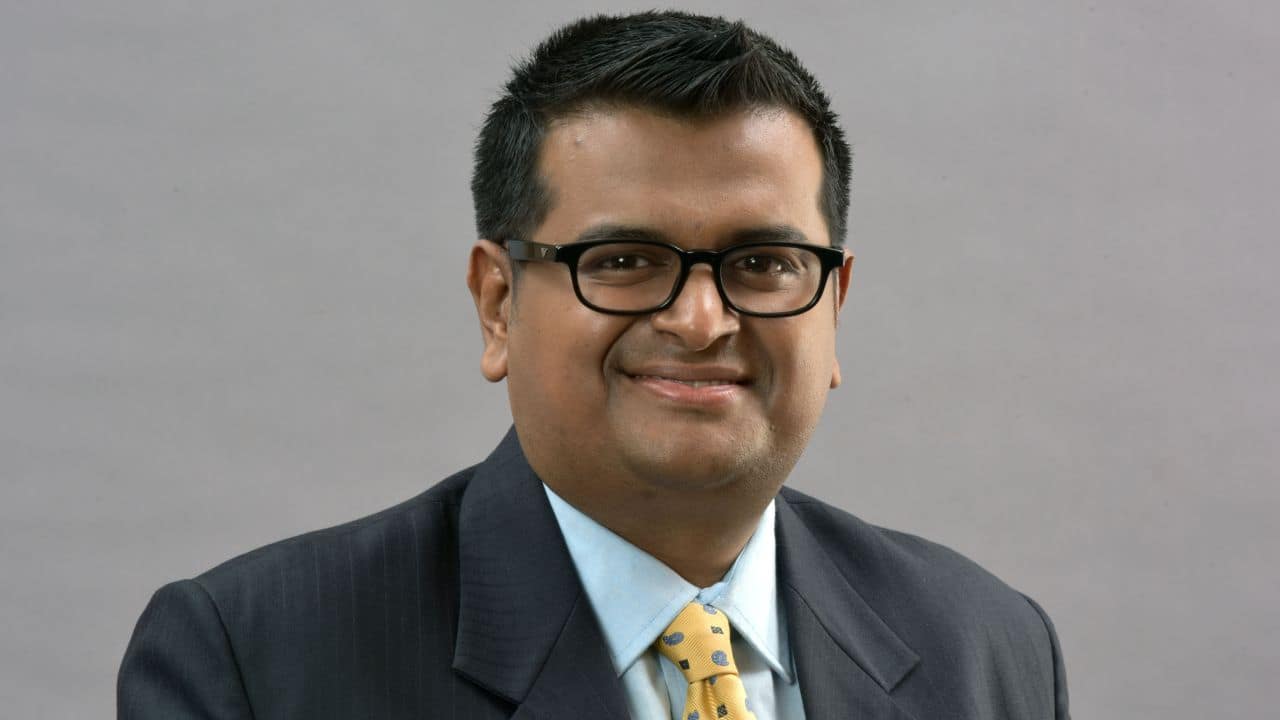
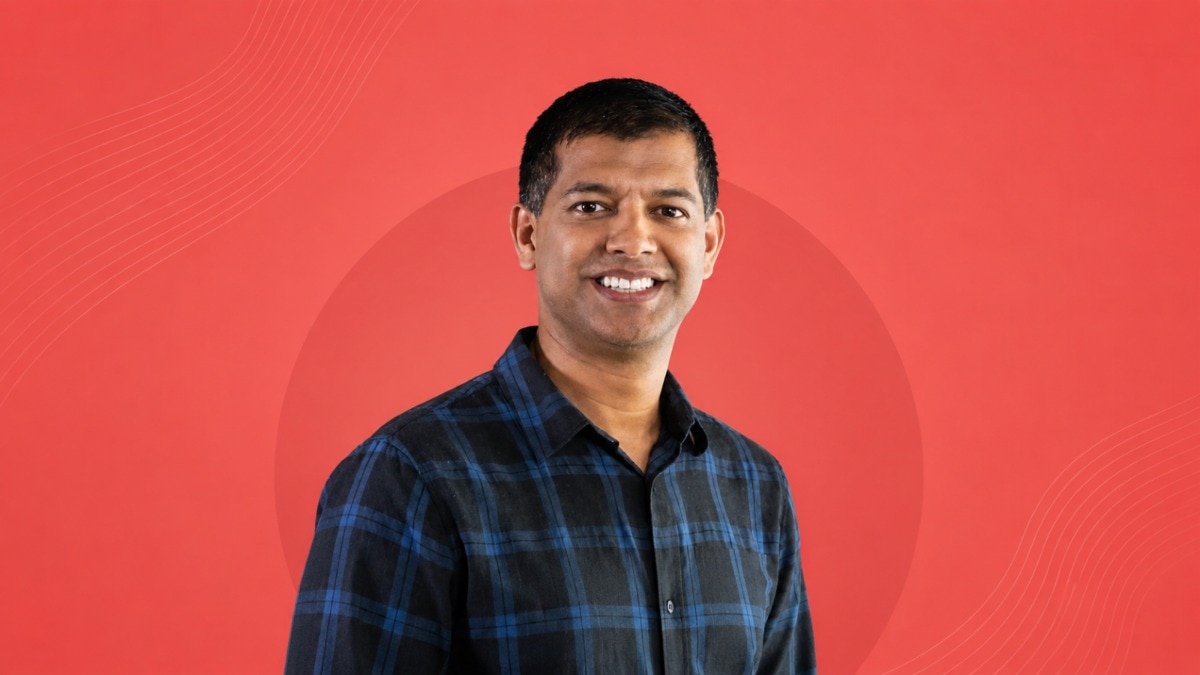
“We like companies that are solving the harder problems first,” said Harish Krishnan, CIO, Aditya Birla Sun Life AMC, outlining the framework his team uses to evaluate India’s fast-growing universe of digital and new-age businesses.
Speaking at the Moneycontrol DEZERV Wealth Summit in Bengaluru, Krishnan said investors should move beyond simplistic labels like “new economy” or “old economy” and instead focus on whether a company is building durable competitive advantages, improving unit economics and creating genuine customer dependence.
“A lot of funding has come into new-age businesses in the private side,” he said. “Many of the companies are actually me-too businesses or in a race to do either a higher GMV or some vanity metric, which need not be relevant to the customer.”
Krishnan said his team broadly uses a three-to-four-point checklist when assessing digital businesses, particularly as more technology-led companies prepare to tap public markets. In the Aditya Birla Sun Life Flexi Cap Fund managed by Krishnan, the firm holds new-age business such as Meesho and Eternal, with a one percent exposure to each stock.
The first filter, according to him, is market-share dominance and evidence of habit formation.
“We want to see dominance in market share because ultimately new-age businesses are primarily about habit forming,” he said. “If the company were to cease to exist tomorrow, customers are going to be pained.”
The second filter is whether the company is solving genuinely difficult problems rather than simply chasing growth capital or subsidies. Krishnan cited the electric vehicle ecosystem as an example, saying companies capable of building strong products without relying excessively on incentives may prove more sustainable over the long term.
The third factor is improving cash flows and unit economics. While many digital businesses may still appear optically expensive or loss-making on traditional accounting metrics, Krishnan said investors should assess whether fixed costs are beginning to plateau and whether incremental revenues are increasingly flowing into profitability.
“Are they making reasonable cash flow? Are they in a zone where fixed costs are plateauing?” he said.
Beyond financial metrics, Krishnan also stressed the importance of founder behaviour and long-term commitment after listing.
“All of them have made a tremendous amount of money beyond any of their wildest dreams,” he said. “But it is very important to think about creating and sustaining value even after the company is listed.”
Krishnan’s comments come at a time when India’s IPO pipeline is increasingly dominated by venture-backed technology and consumer internet companies, forcing public-market investors to adapt traditional investing frameworks.
Despite the risks, Krishnan said his firm remains constructive on select digital businesses and currently holds exposure to several such companies across portfolios. However, he cautioned against indiscriminate investing in the space, arguing that public-market price discovery for many newly listed companies still remains relatively immature.
“It’s not about spraying and praying,” he said. “You have to be selective.”
Also Read | Chemicals to cement: Harish Krishnan’s contrarian bets for the next market cycle

Source: Free Press Journal