RBI proposes weekly submission of credit information reports
04 Dec 2025




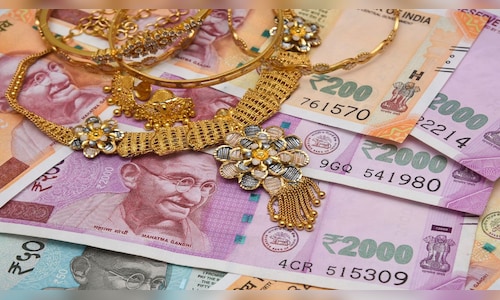
The Indian rupee has plummeted to an all-time low of Rs 90.28 per dollar, marking a 5.3 per cent year-to-date drop and the sharpest annual decline since 2022. This significant drop has left policymakers scrambling to address the issue.
The rupee's depreciation will make imported goods, foreign education, and foreign travel costlier, but it will also make Indian exports more attractive in the global market. A weaker rupee will partially offset the impact of US tariffs on Indian goods, and a revival in export-focused industries will help India generate more jobs for its growing young population.
While the price rise in imported goods could be a concern, it may also nudge policymakers to promote domestic production, which will benefit the economy in the long run. Additionally, a weaker rupee could accelerate the electrification of India's transport system to reduce dependence on imported fossil fuels.
If global uncertainty eases and India seals trade deals with the US and other countries, Indian exporters, backed by a cheaper rupee, will be in a much better position to reap the benefits. Policymakers must address the issue by increasing self-reliance in several import-dependent sectors and accelerating the electrification of India's transport system.