
BKM Industries Limited Files Delayed Q1 FY22 Financial Resul...
28 Mar 2026


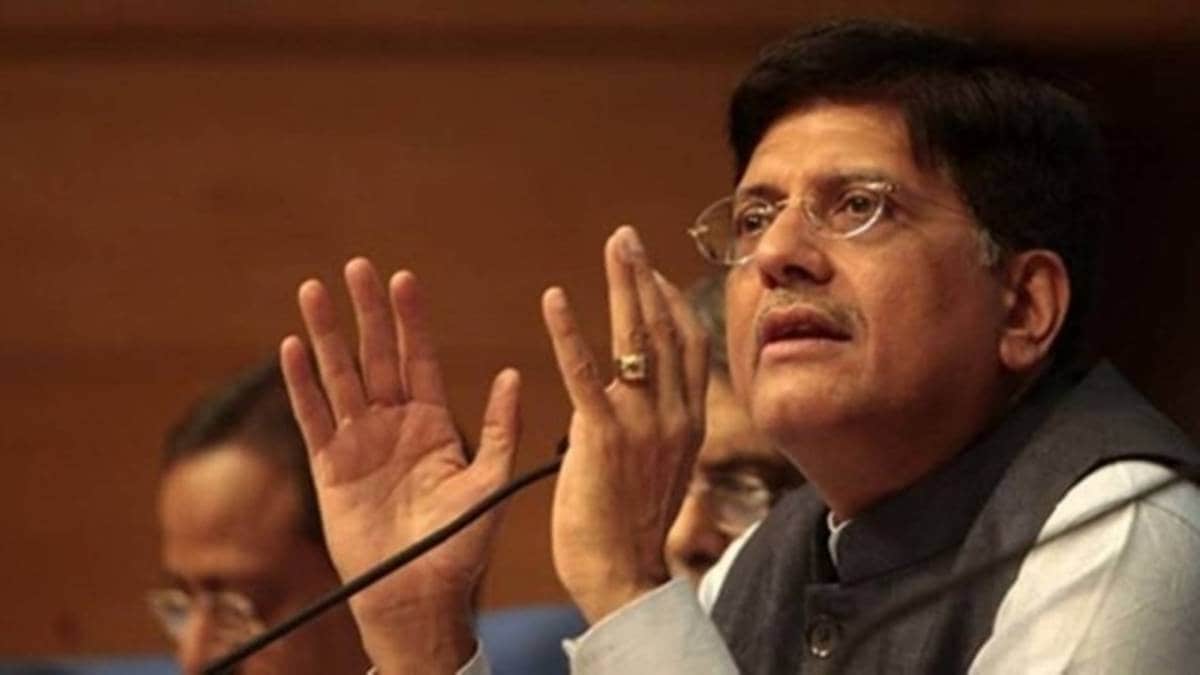
India has said the foundational principles of the World Trade Organisation (WTO) of consensus-based decision-making, Most Favoured Nation (MFN) rule-based trade, and Special & Differential Treatment (S&DT) must be upheld while working on the reform of the trade regulating body. In a meeting with WTO reform minister-facilitators Norway’s minister of foreign affairs Espen Barth Eide and UK minister of state for trade policy Chris Bryant, commerce and industry minister Piyush Goyal reiterated India’s support for reforms.
But Goyal said the foundational principles are essential for ensuring equity and balance in global trade. The meeting happened on the sidelines of the 14th Ministerial Conference at Yaounde in Cameroon.
Sovereignty of Developing Nations
The reform minister-facilitators are senior officials tasked with leading discussions to overhaul WTO functions at MC14. The members of the WTO had agreed to undertake comprehensive review of WTO functions at the 12th MC in 2022. They foster dialogue on contentious issues, including decision-making, dispute settlement, and inclusivity, to build consensus on a reform workplan.
The process of reform is expected to spillover beyond MC 14, according to the report of the facilitator of the reform process presented to the general council of WTO in December. The scoping work has so far centered on three topics – decision-making, development and S&DT. S&DT provisions, which have been part of WTO since its founding in 1995, allow developing countries more time and flexibility on complying with implementation of their WTO commitments.
According to the report, while all countries support continuation of decision making by consensus, many have noted that the consensus does not require unanimity. Even on the dispute settlement reform, the work would continue after MC14.
On S&DT some members want it to be more granular and dynamic rather than remaining fixed. That want to make S&DT more precise and move towards targeted, needs-based flexibilities.
Battle Over Flexibilities
At the ministerial session on fisheries subsidies, Goyal expressed support for the adoption of a draft decision on the subject at MC 14. Though India has not signed on the Agreement on Fisheries Subsidies, the draft decision says the Negotiating Group on Rules shall continue negotiations on additional provisions that would achieve a comprehensive agreement on fisheries subsidies.
The rules would include checks on certain forms of fisheries subsidies that contribute to overcapacity and overfishing while maintaining special and differential treatment for developing and least developed members. India wants stronger exemptions for small-scale fishermen.