China's Intensified Anti-Corruption Drive Targets Securities...
31 Mar 2026



The easy money era of Indian IPOs has come to a halt in 2026. Data reveals a staggering 66% of new listings are trading well below their issue prices, leaving retail investors trapped in bleeding portfolios. From overvaluation to the impact of the regional war, we break down why the bubble burst and how you can shield your savings.
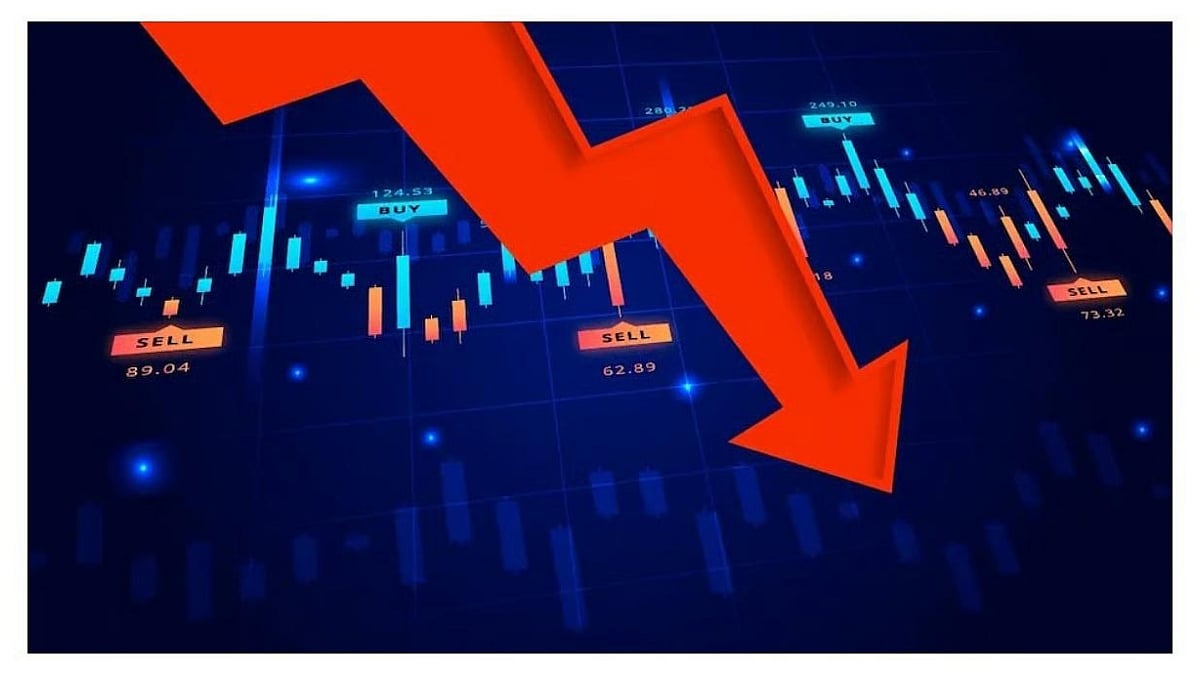
The IPO gold rush that defined the early 2020s has officially turned into a bloodbath. New data from the first quarter of 2026 shows that two out of every three companies that went public this year are now trading at a "discount" to their listing price—some crashing as much as 40% within weeks of debut.
For the lakhs of retail investors who applied for these shares, hoping for listing gains, the reality has been a sharp wake-up call. The days of guaranteed 50% returns on Day 1 are over.
Why is the IPO Bubble Bursting?
A "perfect storm" of three factors is currently killing new stock performance:
Greedy Valuations: Many startups and mid-cap firms hit the market with "sky-high" valuations based on 2024 growth projections that no longer hold true in today’s high-interest-rate environment.
The War Premium: As the regional conflict continues to drive up industrial diesel and shipping costs, profit margins for newly listed manufacturing and logistics firms are being squeezed before they even release their first quarterly results.
Liquidity Suck: With the Fed signaling a "wait and see" approach and Indian interest rates remaining stubborn, FIIs are pulling back, leaving retail investors to hold the bag.
How to Protect Your Savings
If you are looking to apply for upcoming IPOs or are currently holding "red" stocks, here is how to pivot:
Advertisement
Avoid the 'Grey Market' Hype: High GMP (Grey Market Premium) no longer guarantees a safe landing. Focus on the Price-to-Earnings (P/E) ratio compared to industry leaders.
The 15% Stop-Loss: In a volatile 2026 market, experts suggest a strict 15% stop-loss on all new listings. If the stock falls 15% below your buy price, exit immediately to preserve capital.
Wait for 'Quarter 1' Results: Instead of fighting for allotment, wait for the company to post its first set of financial results as a public entity. The true price of a stock is usually discovered 3 to 6 months after listing.
Published By :
Shourya Jha
Published On: 31 March 2026 at 10:56 IST