Founder exits loom over BigBasket, 1mg as Tata Digital reset...
03 Apr 2026


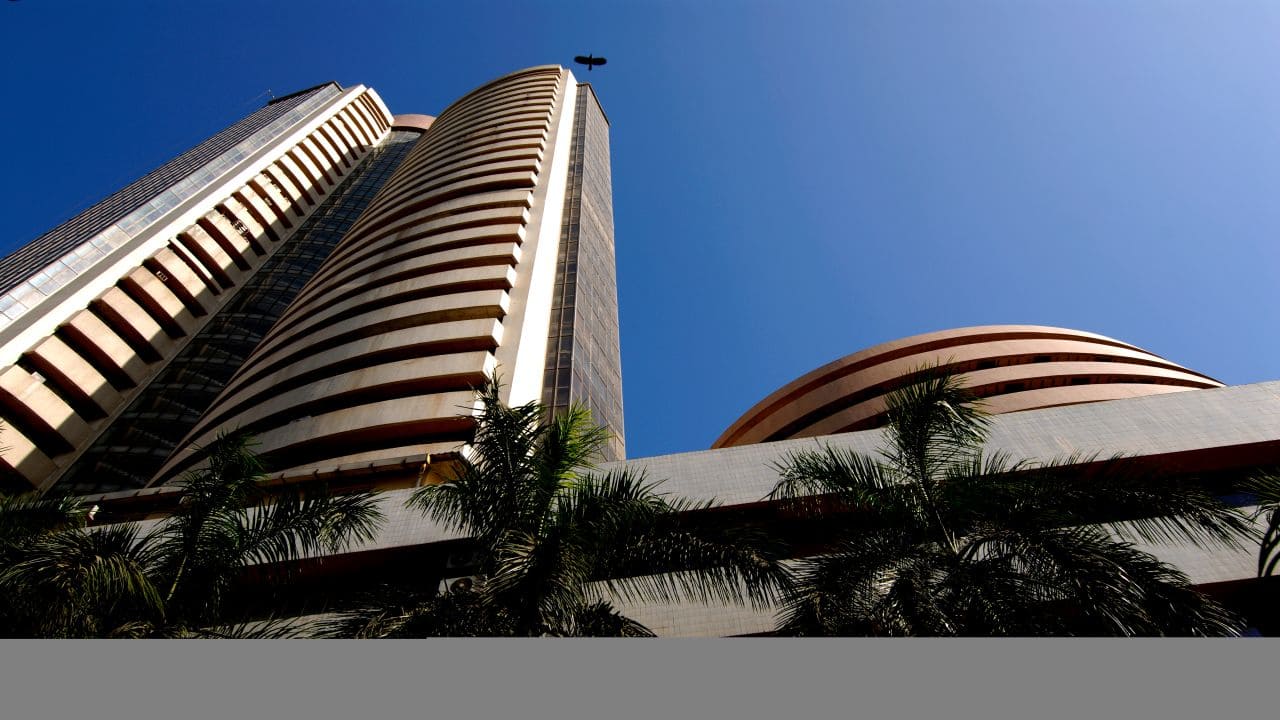
Bombay Stock Exchange (BSE) and National Stock Exchange (NSE) will remain closed on April 3 on account of Good Friday.
The commodity derivatives segment will remain closed for the entire session.
Trading in equities, equity derivatives, securities lending and borrowing (SLBs), currency derivatives, and interest rate derivatives will remain shut for the day on both the BSE and the NSE.
Trading on the NSE and the BSE will resume on April 6 (Monday).
In a highly volatile session on April 2, the Indian market ended on a positive note, with the Nifty closing above 22,700, supported by IT stocks after the Indian rupee posted its biggest gain in more than 12 years.
At close, the Sensex was up 185.23 points or 0.25 percent at 73,319.55, and the Nifty was up 33.70 points or 0.15 percent at 22,713.10.
Broader markets ended lower with the Nifty Midcap index falling 0.3 percent and Smallcap index declining 0.4 percent.
HCL Technologies, Tech Mahindra, TCS, Tata Consumer, Wipro were among top gainers on the Nifty, while losers were Eternal, Asian Paints, Eicher Motors, Bajaj Auto and Sun Pharma.
Among sectors IT index rose 2.6%, realty up 1%, while auto, PSU Bank, oil & gas, pharma, consumer durables shed 1% each.
"After showing weakness from the highs on Wednesday, Nifty shifted into a roller-coaster ride of sharp up and down trended moves on Thursday and closed the day higher with sharp recovery note. After opening on a downside gap of 300 points, the market slipped into further weakness and formed a new swing low at 22,182 levels in the early part of the session. Massive recovery has emerged from the day's low and Nifty finally closed higher amidst volatility towards the end. The opening downside gap has been filled completely," said Nagaraj Shetti, Senior Technical Research Analyst at HDFC Securities.
"A long green candle was formed on the daily chart after opening lower. Technically, this market action indicates a formation of bullish counter attack type candle pattern at the lows. The bearish chart pattern like lower tops and bottoms continued on the daily chart and Thursday's low of 22182 could now be considered as a new lower bottom of the pattern."
"The buying seems to have started from near the support of 22,200 levels and Nifty needs to sustain above the hurdle of 23,000 levels to consider this as a bottom reversal pattern. Immediate support is placed at 22,400 levels," he added.
On Thursday, the rupee recorded its biggest gain in over 12 years after the Reserve Bank of India introduced additional measures to curb currency volatility. The INR strengthened by 173 paise to close at 93.10 against Monday’s closing level of 94.83.
"The RBI has implemented a strategic sequence of initiatives designed to curb speculative fervor and dampen volatility in the rupee. By prioritising a marketplace for authentic risk-mitigators, the central bank is reinforcing the principle that currency holdings should serve strictly as a hedge against financial exposure," said Dilip Parmar, Research Analyst, HDFC Securities.
"These measures are rupee-positive; we anticipate a period of short-term appreciation, even as the broader trajectory remains tethered to global dollar liquidity, crude oil fluctuations, and shifting geopolitical dynamics."
"In the near term, we expect the USDINR to consolidate within a defined range of 92.30 to 93.50 after recent surge in value and volatility," Parmar added.