
SpaceX has struck a notably cautious tone on some of its most ambitious bets, warning investors that its plans for orbital artificial intelligence (AI) infrastructure and human settlements beyond Earth remain highly uncertain and may never turn profitable.
In its S-1 filing ahead of initial public offering, the company said projects ranging from space-based data centres to industrial activity on the Moon and Mars are still in early development and hinge on technologies that are yet to be proven at scale, Reuters reported on Wednesday.
Early-stage ambitions, structural risks
The filing underscores the formidable engineering challenges involved. Space-based computing systems would have to function reliably in extreme conditions — including radiation exposure, thermal stress and limited repair capabilities — raising the risk of system failures and cost overruns.
While such risk disclosures are standard in IPO documentation, the language signals a more grounded assessment of execution risks behind projects that have often been framed in sweeping, futuristic terms.
Contrast with Musk’s public optimism
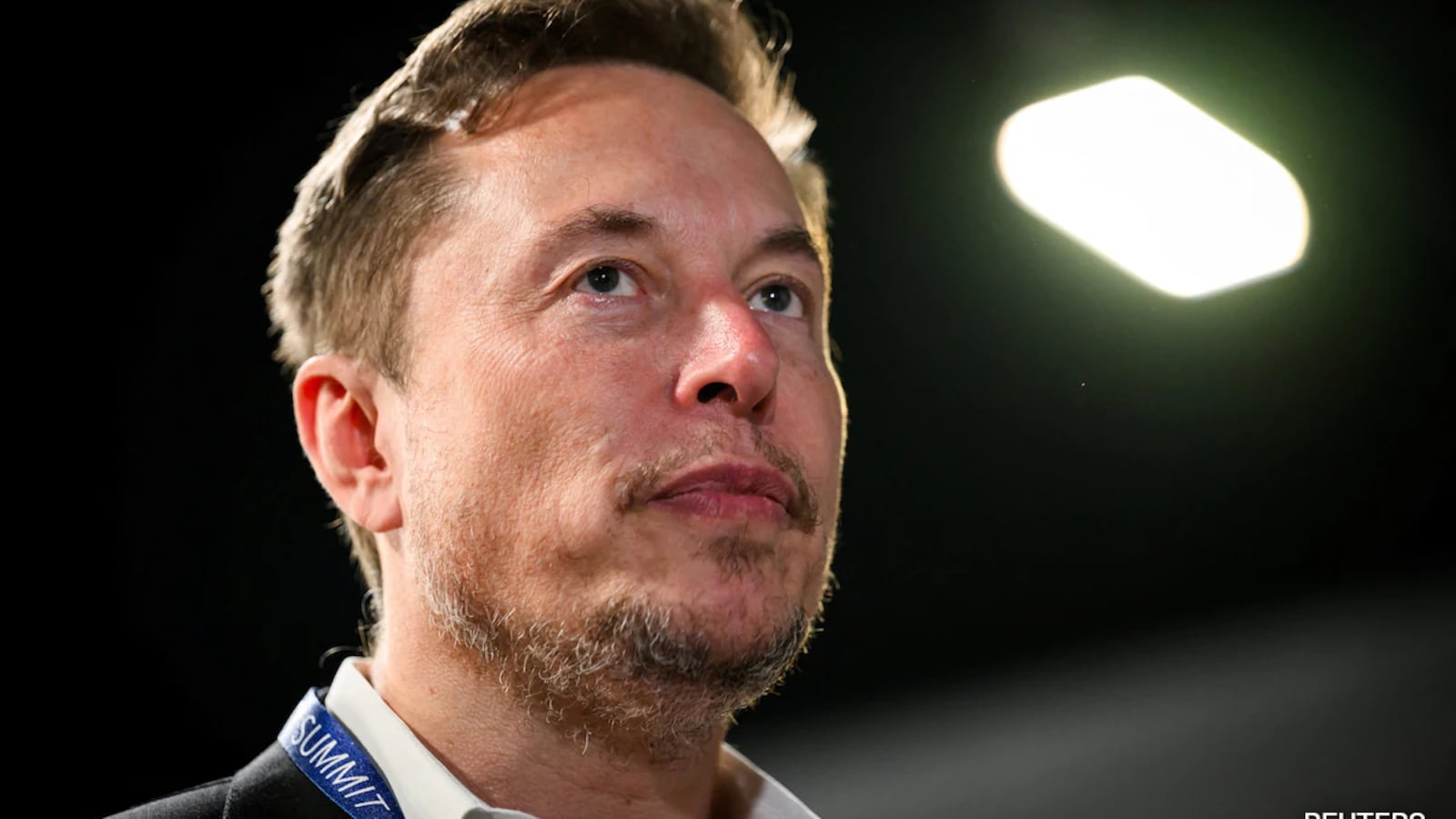
The caution contrasts with the bullish narrative pushed by chief executive Elon Musk, who has repeatedly argued that space-based AI infrastructure could become economically compelling.
At the World Economic Forum, Musk described orbital data centres as “a no-brainer,” suggesting they could emerge as the most efficient way to scale compute capacity. Following the integration of xAI into SpaceX, he has also positioned space as central to the future of AI expansion.
AI push intensifies with Cursor option
Alongside its long-term space ambitions, SpaceX is also accelerating its push into terrestrial AI markets. The company disclosed it has secured an option to acquire code-generation startup Cursor for $60 billion, or alternatively enter a $10 billion partnership.
The move would strengthen the position of xAI — now integrated into SpaceX — in the fast-growing AI developer tools segment, where rivals like OpenAI and Anthropic have gained early traction.
SpaceX said combining Cursor’s developer-focused tools with its “Colossus” supercomputer cluster — touted as one of the world’s largest — could accelerate the development of advanced AI models. The deal also reflects the company’s willingness to deploy significant capital to close gaps in AI infrastructure and capabilities.
IPO scale and investor reality check
The disclosures come as SpaceX prepares for what could be a record-breaking market debut, targeting a valuation of around $1.75 trillion and a potential $75 billion fundraise.
That timing coincides with a global surge in AI spending, with industry estimates pointing to more than $600 billion in investment this year alone. Despite stepping up its own spending, SpaceX acknowledged it still trails leading technology firms in infrastructure scale.