
Fivex Capital VCC Discloses Substantial Acquisition in Shoor...
Source: scanx.trade
18 May 2026


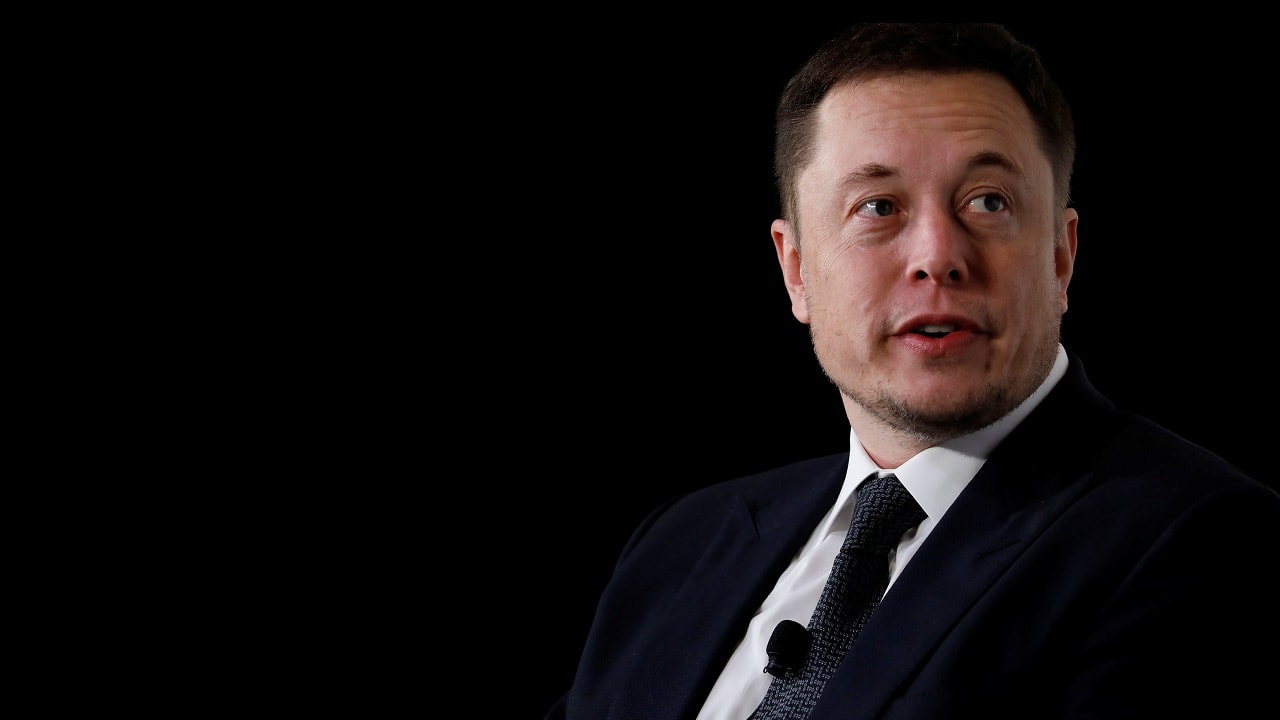
SpaceX is preparing for what could become the biggest initial public offering in history, with the Elon Musk-led company now targeting a June 12 Nasdaq debut under the ticker “SPCX”.
SpaceX is looking to raise as much as $75 billion at a valuation of roughly $1.75 trillion to $2 trillion, a figure that would make it significantly larger than Saudi Aramco’s record 2019 IPO, according to an X post by The Kobeissi Letter.
If successful, the offering would be nearly 2.5 times larger than Aramco’s listing, currently considered the biggest IPO ever.
When will the SpaceX IPO launch?
SpaceX has accelerated its IPO timeline after a reportedly faster-than-expected review process by the US Securities and Exchange Commission (SEC).
The company is now expected to publicly release its S-1 prospectus around May 21, launch its investor roadshow on June 4, price the offering on June 11 and begin trading on Nasdaq on June 12, according to Reuters.
The IPO is being led by a 21-bank syndicate that includes Morgan Stanley, Goldman Sachs, JPMorgan Chase, Bank of America and Citigroup. Reports suggest nearly 30 per cent of the offering could be reserved for retail investors, far higher than typical mega IPO allocations.
Why this IPO is historic
The sheer scale of the proposed listing has stunned Wall Street. SpaceX is seeking a valuation between $1.75 trillion and $2 trillion despite annual revenues estimated at roughly $15.5 billion.
Much of that valuation is tied not just to the company’s rocket launches and Starlink satellite business, but also to its long-term ambitions in artificial intelligence, orbital infrastructure and interplanetary expansion.
The company’s confidential filing reportedly presents SpaceX less as a traditional aerospace company and more as a future AI and space infrastructure giant spanning Moon and Mars-based industries, orbital data centres and space-powered energy systems.
Reuters reported that the prospectus includes sweeping ambitions about “making life multi-planetary” and extending “the light of consciousness to the stars”.
Could this make Elon Musk a trillionaire?
The IPO could put Elon Musk on track to become the world’s first trillionaire, but there is a catch.
According to details emerging from the company’s filings, as seen and reported by Reuters, Musk’s compensation structure includes an extraordinary performance-linked package involving 200 million super-voting shares. At current private market prices of around $600 to $650 per share, the package alone could potentially be worth around $120 billion.
However, unlocking those shares requires Musk to achieve near-impossible milestones.
The conditions reportedly include taking SpaceX to a valuation of $7.5 trillion and establishing a permanent settlement on Mars with at least one million residents.
In effect, Musk must help transform humanity into a multi-planetary species before fully unlocking the compensation structure.
The filing also reportedly warns investors about the company’s heavy dependence on Musk himself, describing him as central to SpaceX’s long-term vision and execution.
How SpaceX compares to Saudi Aramco
Saudi Aramco’s 2019 IPO raised around $29.4 billion and remains the world’s largest listing so far. SpaceX’s targeted $75 billion raise would eclipse that figure by a massive margin and potentially become the biggest stock market flotation ever recorded.
The offering also comes at a crucial time for global IPO markets, which are witnessing renewed momentum after years of volatility driven by inflation, tariff concerns and geopolitical tensions.
Concerns over governance and valuation
Despite the excitement, the proposed IPO has also triggered concerns among governance experts and institutional investors.
Reuters reported that several major US pension funds have questioned SpaceX’s governance structure, arguing that Musk could retain near-unchecked control over the company even after listing.
The filing reportedly seeks “controlled-company” status and allows the company to bypass certain independent board requirements after moving its legal headquarters to Texas.
While SpaceX’s launch and Starlink businesses are profitable growth engines, critics argue that a large portion of the company’s trillion-dollar valuation rests on ambitious future narratives around AI and Mars colonisation.
The company’s xAI division reportedly lost billions of dollars last year while generating limited revenue, adding to concerns over how much of the IPO valuation is based on future expectations rather than present-day earnings.

Source: The Economic Times

Source: The Economic Times

Source: The Economic Times