After 30,000 Layoffs, Oracle Brings in $950,000 CFO - Who Is...
08 Apr 2026


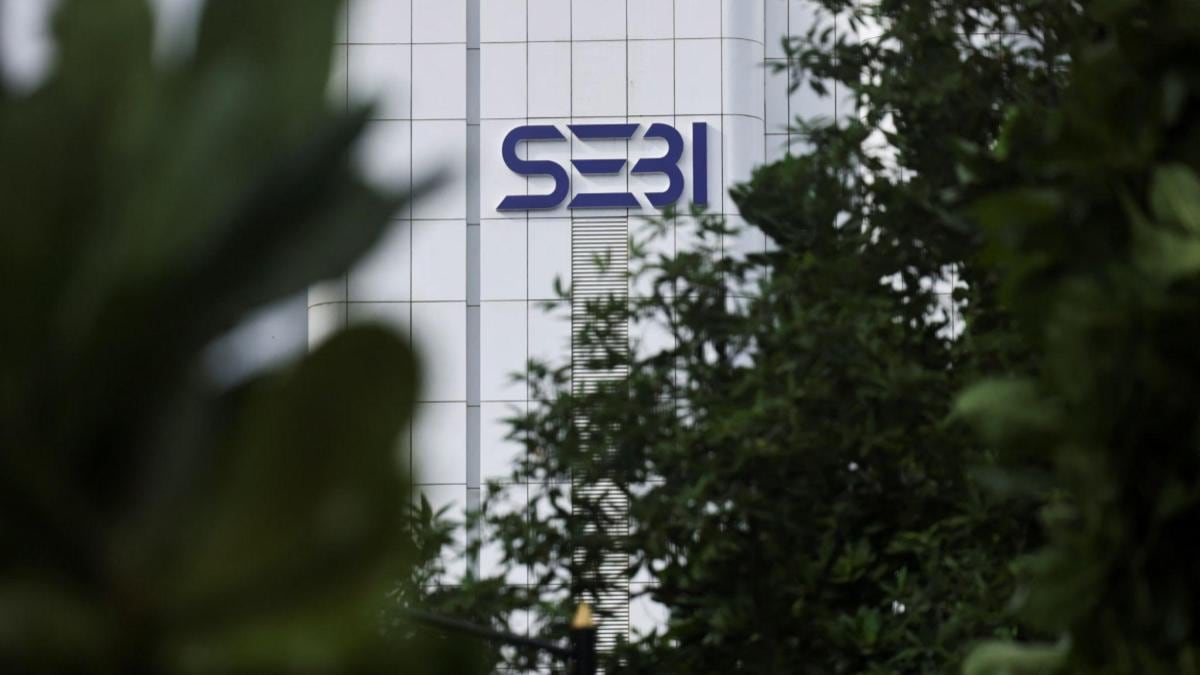
In a market where timing can make or break an IPO, the Securities and Exchange Board of India (SEBI) has pressed the pause button, for at least temporarily. The market regulator has given companies more breathing room by extending the validity of IPO approvals.
SEBI has offered a one-time extension. This in term means that observation letters that were set to expire between April 1 and September 30, 2026, will now remain valid until the end of September.
The decision is a key factor to watch out for many investor because several companies were preparing to tap the market. However, they found themselves caught in volatile conditions.
Now, instead of rushing into weak demand or risking poor valuations, the companies now will have flexibility to wait for a more favourable window.
Let’s take a look at the details to watch out of this latest development –
The rule tweak that changes the game
Generally, when the market regulator SEBI clears an IPO through its observation letter, companies must launch within a fixed timeline. Therefore, missing the window means that they are forced to restart the process which is a time-consuming and costly exercise.
However, this time, SEBI has offered a one-time extension amid rising global uncertainty. Observation letters that were set to expire between April 1 – September 30 are now going to be valid till end of September.
This means that companies get extra months to reassess market conditions and plan their entry more carefully.
SEBI explained the reasoning clearly, noting that the move was taken considering “prevailing uncertain market conditions due to ongoing geopolitical tensions and subdued investor participation.”
Why IPO plans were hitting a wall
The backdrop to this decision is the ongoing geopolitical tension in West Asia. This ongoing conflict has kept global markets on edge.
For example, the sharp moves in crude oil prices and uncertainty in global markets have made investors more cautious.
This has made things difficult for companies planning to launch IPOs.
On the other side, waiting too long means regulatory approvals could expire. SEBI itself identified that many issuers were finding it difficult to “mobilise resources and access the capital market,” leading to delays, recalibrations, or even withdrawals of IPO plans.
By extending the deadline, the regulator is effectively removing one layer of pressure.
Breaking down the ‘observation letter’
An observation letter is SEBI’s nod that a company has met disclosure and compliance requirements and is ready to launch its IPO.
It does not guarantee success. However, it allows the company to move ahead with its offering.
If this approval lapses, the company has to go through the entire review process again. This is something most firms want to avoid, especially in uncertain times.
Relief, but not a free pass
Although, the market regulator has relaxed timelines, it has not eased compliance. Companies will still need to confirm, through their lead managers, that all rules and disclosures remain intact when they update their documents.
What should investors read into this?
For investors, this recent development means that a fewer rush IPOs hitting the market.
Instead, companies are likely to wait for better sentiment.