TABP Snacks and Beverages eyes ₹350 crore topline in FY27, m...
Source: The Hindu Business Line
03 May 2026


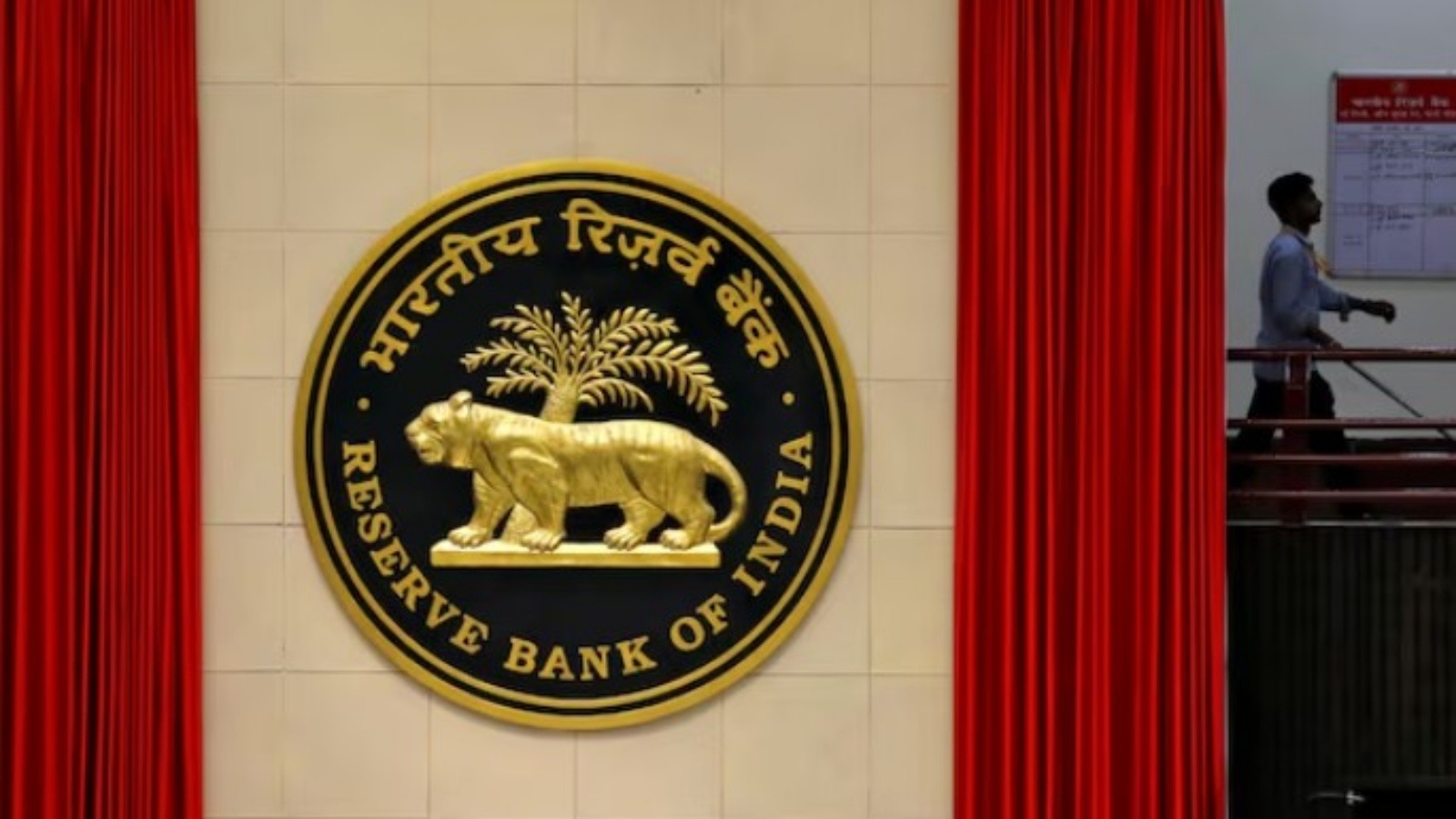
In March 2024, Tata Sons, the holding company of the Tata Group, filed an application to surrender its registration as a CIC. This strategic move was perceived as an attempt to sidestep the mandatory listing obligations imposed by the RBI’s Scale-Based Regulatory (SBR) framework, InGovern alleged.
“By aggressively repaying over Rs 20,000 crore in standalone debt, the company claimed to have renounced its access to public funds, thereby seeking to move from a ‘Registered CIC’ to an ‘Unregistered/Exempt’ entity,” it said.
Tata Sons has not responded to a mail from The Indian Express on the InGovern report.
If the RBI rejects the application of Tata Sons, it will have to go for an IPO and list the shares on the stock exchanges.
After listing it will have to follow the SEBI rules, especially board composition, declaration of quarterly results and more public scrutiny. It will also give an exit route for the SP group which holds 18.3% stake in Tata Sons. Tata Trusts hold 66. According to the RBI’s ‘List of NBFCs and ARCs’ released on April 10, 2026, Tata Sons is explicitly categorised as an Upper Layer (UL) NBFC (Reference: Entry 8129, Page 278). With reported assets exceeding Rs 1.75 lakh crore, the company vastly exceeds the Rs 1,000 crore threshold established by the new 2026 Amendment Directions for voluntary deregistration. The April 10 circular establishes a threshold of Rs 1 lakh crore for the Upper Layer, irrespective of ownership.
The removal of previous exemptions — which once shielded government or specific private-owned structures —leaves no room for discretionary interpretation, it said.
“Because approximately 12% to 14% of Tata Sons is held by Tata Group entities, including many listed companies—all of which rely on public debt and equity—the structural linkage to public funds is permanent,” the report said.
The doctrine of “indirect receipt of public funds” is designed to capture this exact scenario of systemic interconnectedness.
The standalone debt repayment does not sever this fundamental, structural integration, it said. The structural cross-holding of approximately 13%-14% by group entities in Tata Sons creates a definitive regulatory ‘Look-Through’ loop, InGovern said.
Source: The Hindu Business Line

Source: The Economic Times
Source: The Economic Times

Source: The Economic Times

Source: Outlook Business

Source: The Economic Times