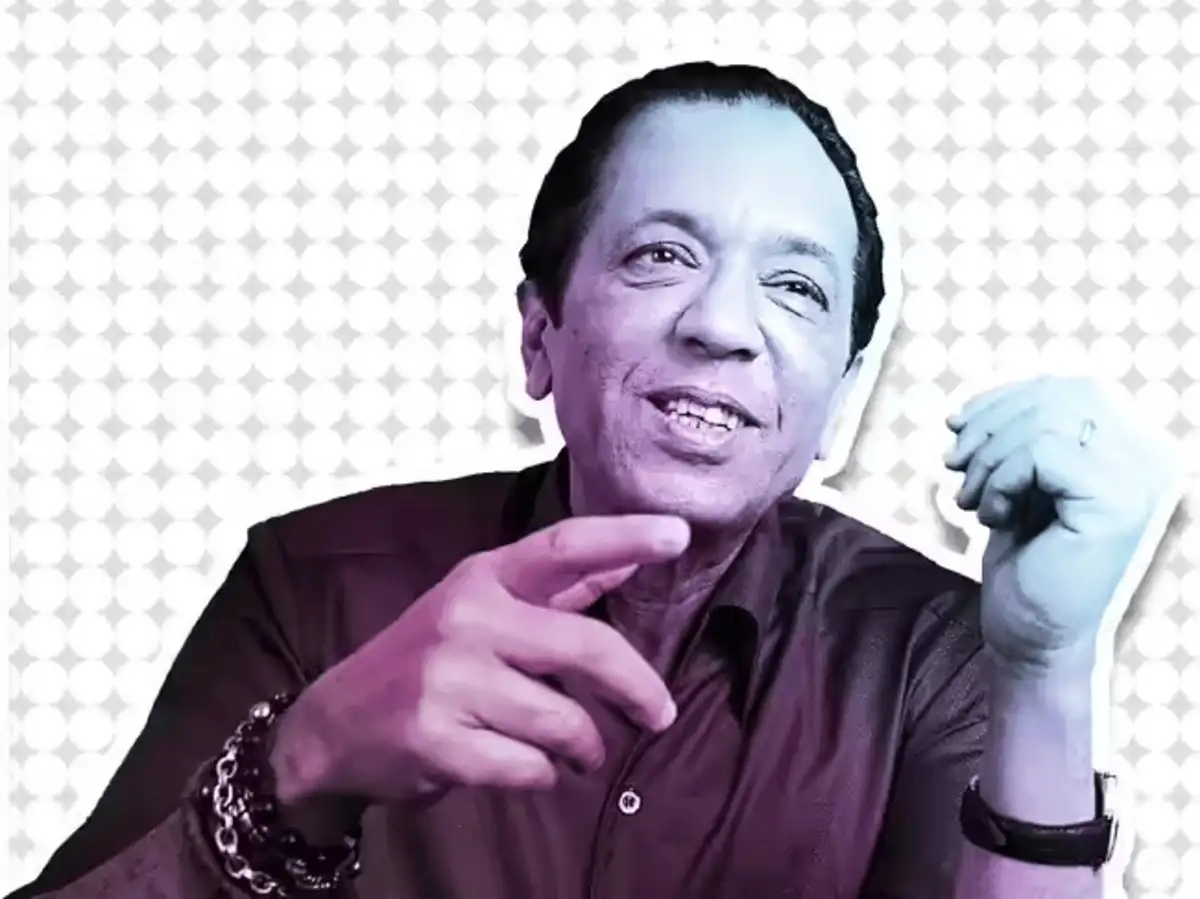
One Investment Management, the alternative investment manager Misra built after he stepped back from his main roles at SoftBank, is scaling back from an initial focus on credit in its main fund, according to people familiar with the matter. Instead, it aims to pour a majority of its remaining capital into owning minority stakes of privately held firms, the people said, asking not to be identified discussing non-public information.
Rajeev Misra ramps up private equity bets as SoftBank scars fade
Synopsis
One Investment Management, the alternative investment manager Misra built after he stepped back from his main roles at SoftBank, is scaling back from an initial focus on credit in its main fund, according to people familiar with the matter. Instead, it aims to pour a majority of its remaining capital into owning minority stakes of privately held firms, the people said, asking not to be identified discussing non-public information.
Rajeev Misra helped transform SoftBank Group into one of the world’s largest technology backers before his tenure ended amid souring bets and internal clashes. Now he’s once again looking to make a splash by snapping up stakes in private firms.
One Investment Management, the alternative investment manager Misra built after he stepped back from his main roles at SoftBank, is scaling back from an initial focus on credit in its main fund, according to people familiar with the matter. Instead, it aims to pour a majority of its remaining capital into owning minority stakes of privately held firms, the people said, asking not to be identified discussing non-public information.
As part of that, Misra’s fund aims to back more companies involved in the rare-earth mining supply chain, the people said. And it’s looking to broaden its investor base for its smaller, perpetual credit-focused fund for individuals, which has raised $1.6 billion. It plans to ramp up fundraising in the US, Japan and other geographies, the people said.
So far, Misra and his team have only raised money from the Middle East and count the sovereign wealth fund Mubadala Investment Co. and Abu Dhabi conglomerate Royal Group as two of their backers.
As co-chief executive officer of the SoftBank Vision Fund, Misra became a rare outsider who secured billions from the Middle East — including $15 billion from Mubadala. He then built massive pre-IPO stakes in highly valued startups, including WeWork Inc. and Uber Technologies Inc., some of which ultimately blew up and caused billions of dollars of writedowns.
The losses hit the Vision Fund at the onset of the Covid-19 pandemic, straining Misra’s partnership with SoftBank founder Masayoshi Son. Internal clashes with rivals also colored Misra’s tenure at the Vision Fund. He stepped down from his major roles at SoftBank to focus on his new venture in 2022, formally leaving the firm two years later.
Misra’s ability to return to Middle Eastern investors to back his latest venture reflects his deep ties to the region — connections that secured him a coveted United Arab Emirates passport. During the Vision Fund’s down years, Misra met with his those backers regularly to update them on the status of their investments. That helped him retain their trust even as the fund’s bets faltered.
And despite feuds with certain Vision Fund colleagues, Misra co-founded his new venture with fellow SoftBank alumni Yanni Pipilis and Munish Varma. Former SoftBank partner Samuel Merksamer also joined OneIM before leaving to become a senior member of the private equity team at Mubadala.
Better bet
When Misra launched OneIM, he opted to focus on credit and secured an initial $6.8 billion. The firm is about halfway through a six-year investment period, and so far has annualized returns of about 20%.
Now Misra is tweaking his specialty again after determining that equity is a better bet than credit in this environment, the people said.
Since the debut of OneIM, the rapid rise of the $1.7 trillion private credit market has spurred concerns about possible defaults. Scrutiny of the asset class intensified over the past year after the failures of auto parts maker First Brands Group, subprime auto lender Tricolor Holdings and now the bankruptcy of private equity-owned label design and printing business Multi-Color Corp.
Still, many high-profile investors, including Apollo Global Management Inc. CEO Marc Rowan, contend the fears over private credit risks are overblown.
Initially, OneIM invested about 70% of its assets in credit with the rest in private equity. Going forward, the firm aims to deploy about 60% of its remaining $3.5 billion of capital in the main fund in private equity, the people familiar with the matter said. OneIM tends to take significant minority positions in private firms rather than controlling stakes, the people said.
The firm is hunting for stakes in rare-earths firms as the Trump administration plans to seed its own cache with $12 billion from the private and public sector, in an initiative dubbed Project Vault that’s akin to the nation’s emergency oil stockpile. OneIM has already invested in Noveon Magnetics Inc. and Vulcan Elements, both of which make rare-earth magnets.
Rare-earth minerals are crucial for iPhones, batteries, jet engines, data centers and other widely used technology.
(Catch all the Technology News News, and Latest News Updates on The Economic Times.)
...more