SP Apparels Limited Invests ₹6.32 Crore in UK Subsidiary for...
21 Apr 2026


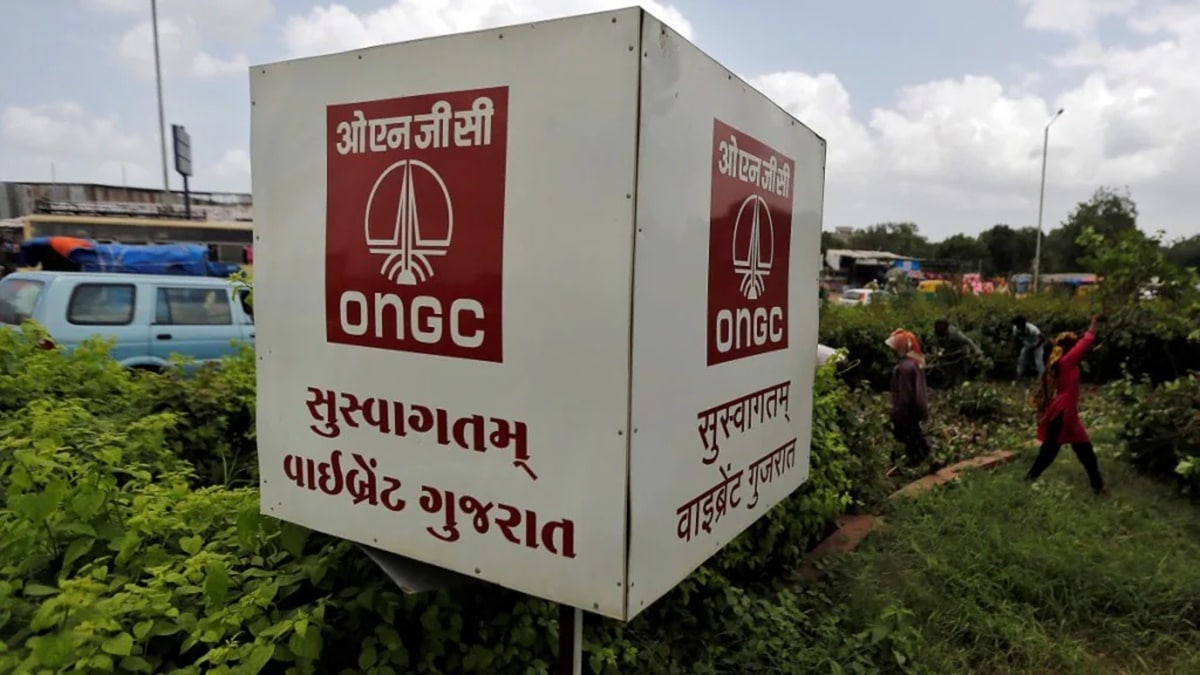
The proposal, currently under inter-ministerial consideration, pertains to the SEAP-II development in Brazil’s Sergipe-Alagoas basin, a deepwater hydrocarbon province that has emerged as a key destination for global upstream investment.
If approved, the investment would further consolidate India’s presence in Brazil’s offshore energy sector, adding to its portfolio of equity oil assets and reinforcing the role of state-run firms in advancing long-term energy security objectives.
India’s expanding interest in Brazil’s offshore sector is reflected in parallel investments by public sector companies.
$2.8 billion investment in SEAP-I project
Earlier, this month Bharat Petroleum Corporation Ltd. (BPCL) has approved an investment of about $2.8 billion in the SEAP-I project in the same basin, marking a significant upstream commitment and underscoring the strategic importance of the region in India’s evolving energy portfolio.
The twin developments highlight a calibrated shift in India’s upstream strategy, with a focus on acquiring stakes in producing and near-producing assets that offer stable output over extended periods. With crude imports accounting for nearly 85% of domestic demand, equity oil investments remain central to insulating the economy from supply disruptions and price volatility.
OVL, the overseas arm of ONGC, maintains a diversified portfolio spanning multiple geographies including Russia, Africa, Southeast Asia and Latin America, and continues to anchor India’s overseas exploration and production strategy. The company has increasingly prioritised assets with long reserve life and predictable production profiles.
ONGC has also outlined plans to step up capital expenditure across both domestic and international operations, as it seeks to enhance production and improve reserve replacement amid declining output from mature fields.
Industry analysts said that Brazil’s deepwater assets offer a combination of high resource potential, scale and long production cycles, making them attractive despite elevated capital costs and technological complexity.
The proposal assumes added relevance as global energy markets remain volatile, prompting import-dependent economies to diversify sourcing and secure upstream assets across geographies.
Queries sent to ONGC and ONGC Videsh remained unanswered till press time.