OpenAI IPO Tensions: CFO Sarah Friar Warns Against Sam Altma...
06 Apr 2026


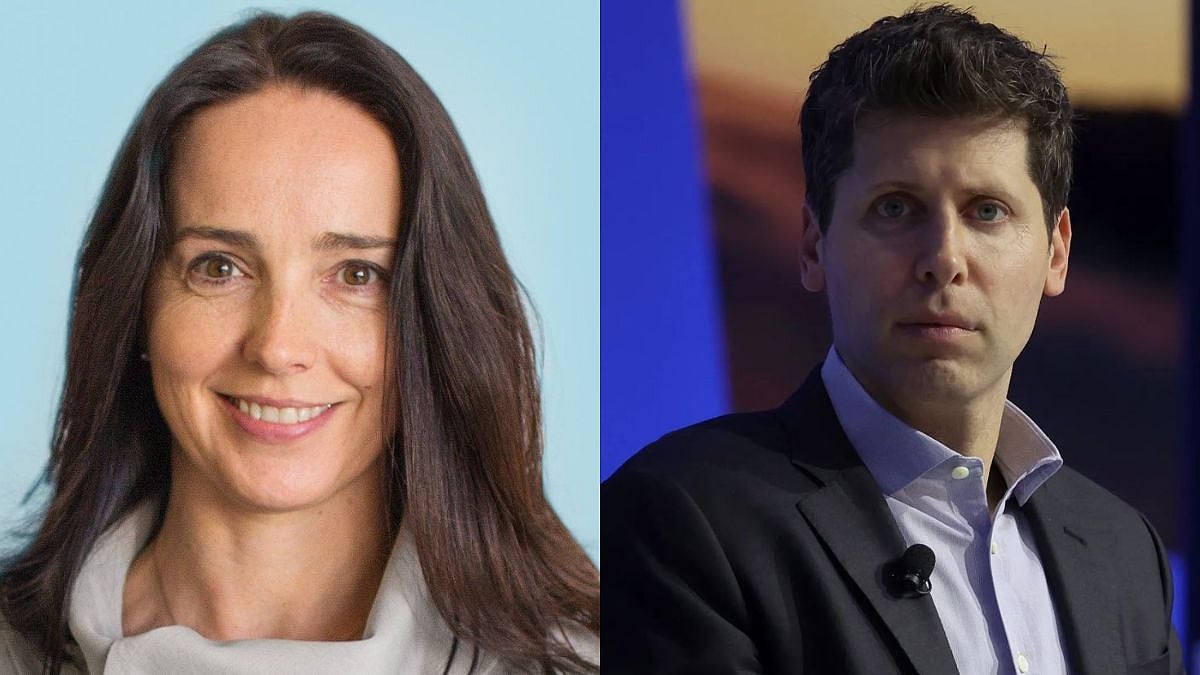
In a development that is rattling Silicon Valley, OpenAI's CFO Sarah Friar has privately voiced concerns about CEO Sam Altman's ambitious IPO timing and some cloud deals. The new development pulls back the curtain on a rare internal rift at the world's most closely watched AI company. Altman, in return, has excluded Friar from certain financial discussions, including a recent high-level meeting with a major investor regarding server procurement.
Altman and Friar are not on the same page
Accroding to exclusive reportage by The Information, OpenAI CFO Sarah Friar has voiced concerns over risks and challenges tied to CEO Sam Altman's plans to take the company public as early as the fourth quarter of 2026 and spend $600 billion over five years.
Friar flagged ongoing work related to procedures, compliance, and organisational readiness, indicating that the company may not be ready to list on that timeline. She has also raised concerns about financial exposure linked to OpenAI's aggressive spending, particularly its commitments to computing infrastructure. These concerns are compounded by projections that the company's cash burn could exceed $200 billion before achieving positive cash flow.
OpenAI's dependancy on Microsoft
Beyond the IPO timing, OpenAI has flagged risks tied to its dependence on Microsoft, warning that any change in this relationship could adversely impact its business, effectively acknowledging internally that its close reliance on Microsoft poses a potential strategic risk.
Signs of internal strain at OpenAI
The disagreement appears to be more than a boardroom debate. Friar was said to have been excluded from certain financial discussions, including a recent high-level meeting with a major investor regarding server procurement. In a structural shift, Friar now reports to Fidji Simo instead of directly to Altman, diverging from the typical structure where a CFO reports to the CEO.
Despite the tension, both Friar and Altman have publicly stated that they remain aligned on the company's broader compute strategy. OpenAI is projected to lose approximately $14 billion in 2026 alone, driven primarily by the astronomical cost of compute power, research spending, and infrastructure buildout, making the CFO's caution harder to dismiss.