Jio IPO countdown: Mukesh Ambani says ‘advancing steadily to...
24 Apr 2026


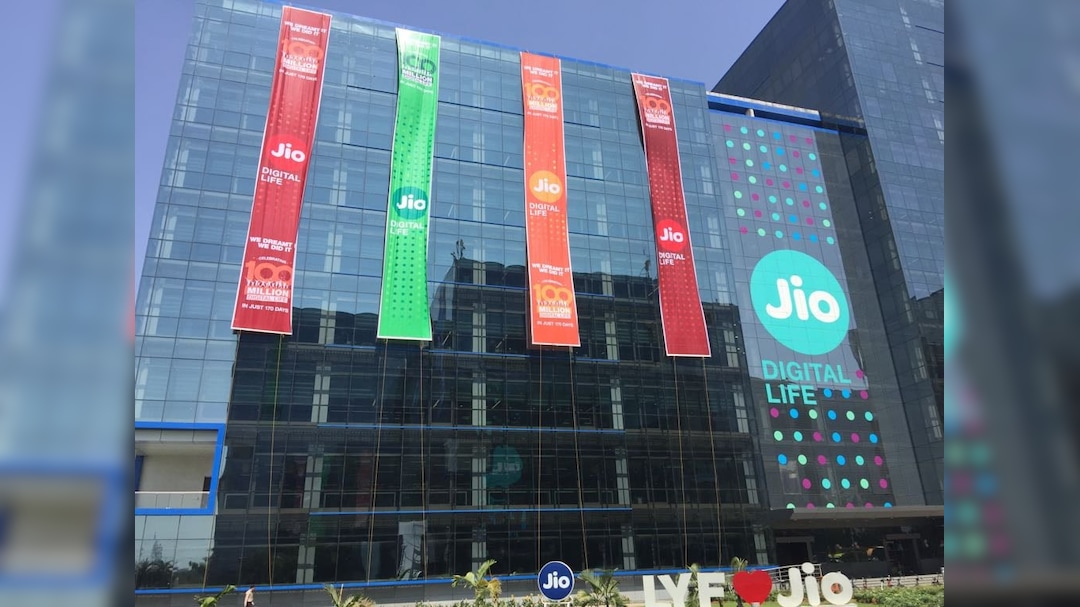
Reliance Industries Limited Chairman Mukesh Ambani has indicated that the long-awaited listing of its telecom and digital arm Jio Platforms is moving forward, calling it a “defining milestone” in the company's journey.
“I am happy to note that we are advancing steadily towards the listing of Jio Platforms. This will mark a defining milestone,” Ambani said, in the fourt quarter press release reaffirming progress on what could become India's largest-ever initial public offering (IPO).
The update comes shortly after the government eased IPO norms. The Finance Ministry has allowed companies with a post-issue valuation exceeding Rs 5 lakh crore to dilute just 2.5% stake, down from the earlier 5% requirement. This regulatory tweak is seen as a key enabler for Jio's listing plans, potentially allowing the company to go public with a smaller equity dilution while still achieving a massive valuation.
The change also aligns with earlier reports that Jio was awaiting formal rule adjustments before filing its draft IPO papers.
Timeline And IPO Size
As per multiple reports, draft IPO papers could be filed soon, possibly ahead of the previously indicated timeline. Ambani had earlier stated that Reliance aimed to list Jio in the first half of 2026, a plan first outlined back in 2019.
Once filed, the proposal will be reviewed by the Securities and Exchange Board of India, after which IPO dates and offer details will be finalised.
ALSO READ: Reliance Jio Q4 Results: Profit Up 2% Even As ARPU Stays Flat; Revenue Sees Modest Uptick
At the upper end, the IPO could raise around $4.3 billion, even with a relatively small stake sale. Reports suggest Jio may float about 2.5% equity, which could still place it among India's most valuable listed companies.
Financial Performance Remains Stable
The telecom arm has continued to deliver steady financial growth. For the March quarter:
Net profit rose 2% sequentially to Rs 7,317 crore.
Revenue increased to Rs 33,381 crore from Rs 32,751 crore.
Ebitda grew to Rs 18,113 crore.
Margins improved slightly to 54.26%.
ARPU (average revenue per user) edged up to Rs 214.
Growth was supported by subscriber additions, marginal ARPU expansion, and continued traction in digital services.