Acko Eyes Up to $2 Bn IPO; Morgan Stanley, ICICI, Kotak to M...
27 Apr 2026



MakeMyTrip is reportedly evaluating IDR route over a traditional IPO as it looks to access Indian investors while managing tax exposure, regulatory complexity in its offshore structure
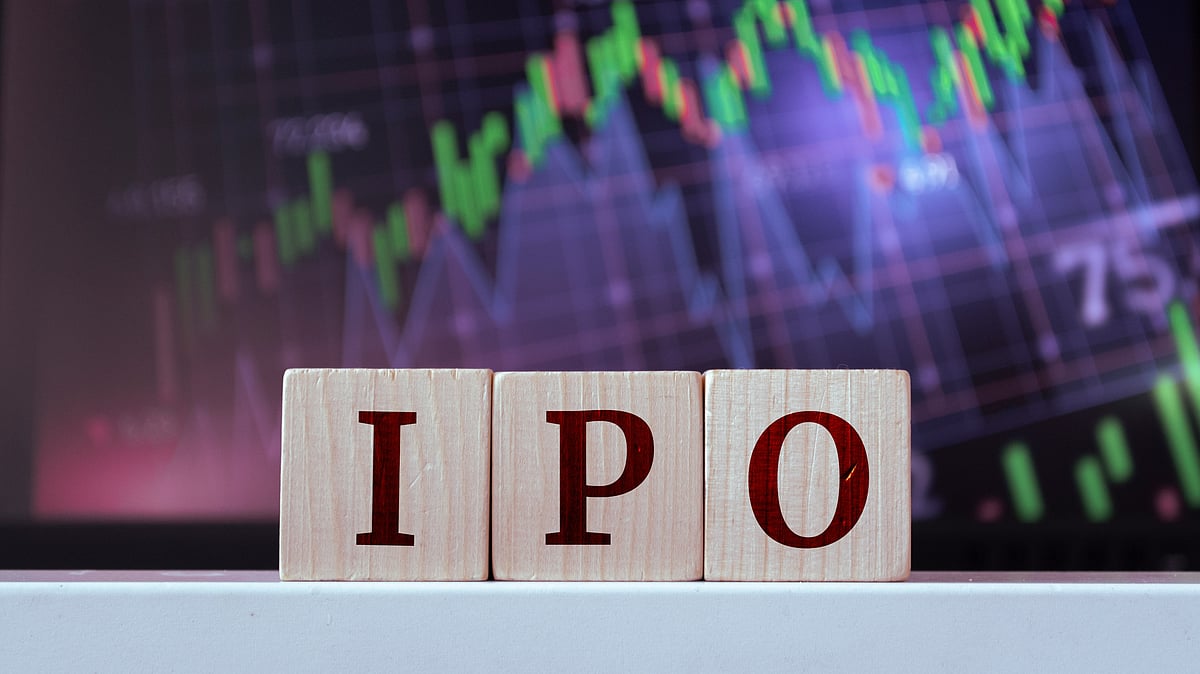
According to media reports, MakeMyTrip is evaluating the IDR route to access Indian investors without a traditional IPO. (Photo: AdobeStock)
Barkha Mathur New Delhi
Listen to This Article
MakeMyTrip is evaluating a potential listing of its India business, reportedly through a less familiar Indian Depository Receipts (IDRs) route.
By weighing options other than the traditional initial public offerings (IPOs), companies like MakeMyTrip are beginning to ask whether they can tap investors in India without fully importing the tax costs, and regulatory friction, and market design that could shape how offshore-held Indian businesses approach domestic listings in the years ahead.
What MakeMyTrip is actually doing
According to a report in the Mint, the Nasdaq-listed travel firm is weighing the benefits of listing its Indian arm via the IDR route. While MakeMyTrip has confirmed that it is evaluating a potential listing, it did not specify whether it would be through IDR or IPO.
"As part of its long-term growth objectives, the Company is in the process of evaluating a potential listing in India, which could provide an additional avenue to access capital, including from domestic institutional and retail investors as well as enable it to provide India listed equity as potential consideration for growth initiatives. Any potential India listing remains subject to, among other things, market conditions, regulatory approvals, and customary corporate considerations," a MakeMyTrip spokesperson told Business Standard.
Alongside this, MakeMyTrip has completed internal restructuring, consolidating key brands such as Goibibo and RedBus India under its India entity. This suggests that the company is preparing structurally for a potential listing, while still keeping multiple routes open.
IPO vs IDR: What's the difference
The IPO route
A conventional IPO involves listing shares of the company directly on Indian exchanges. Investors buy equity, and the company can raise capital or exit through an offer for sale.
This is the most familiar route. According to Abhishek Jain, head of research at Arihant Capital Markets Ltd, it is also the most straightforward in terms of market understanding and liquidity.
The IDR route
Under the IDR route, investors do not buy shares directly. Instead, they buy receipts issued in India that represent shares of a foreign-listed company, held by a custodian.
The company remains listed overseas, but creates a locally traded instrument linked to its shares. IPO vs IDR: A glance
IPO (the usual way) IDR (the alternative way) What are you buying? A real share of the company A receipt linked to a share Do you own the company directly? Yes, you own a part of it No, you own a claim on it Where is the company listed? In India Still listed abroad Tax impact (for existing investors) Can trigger tax when shares are sold May avoid or delay that tax moment Liquidity (ease of buying/selling) Usually high Still uncertain
Why this distinction matters
Market experts say that at its core, this is about tax, predictability, and access to Indian investors.
Until recently, many global investors used offshore routes (like Mauritius) to invest in Indian companies and exit through IPOs with some level of tax certainty. That has changed after the Tiger Global–Flipkart tax ruling, which refers to the decision of the Supreme Court of India that held capital gains from Tiger Global Management’s exit from Flipkart taxable in India, despite a claim for exemption under the India–Mauritius Double Taxation Avoidance Agreement (DTAA). The judgment overturned a favorable Delhi High Court order and has become a landmark precedent on treaty abuse, General Anti-Avoidance Rules (GAAR), and substance requirements in Mauritius structures.
"The IPO route has become less predictable after the Tiger Global–Flipkart Supreme Court ruling. Earlier, offshore investors could plan exits with some tax certainty; now that’s far less clear," explained Jain.
"IDRs offer a way to access Indian capital without forcing that moment of tax exposure. But viability isn’t just about avoiding tax, it depends on whether the instrument can sustain trading depth and pricing discipline. So the structure makes sense, but the outcome depends heavily on how the market treats it after listing," he added.
If MakeMyTrip goes for a traditional IPO, especially one where existing investors sell shares, it could trigger tax liabilities in India. Therefore, instead of selling shares directly in India, IDRs route allow the company to tap Indian investors without immediately triggering that tax event.
On risks around the IDR route, Jain said, “The biggest risk is not that the listing fails, it is that it settles into low volumes and inconsistent pricing. It may undermine the case for IDRs as a mainstream route."
Do investors actually want IDRs?
According to Jain, retail investors are likely to be drawn to familiar, India-facing brands like MakeMyTrip. But that interest depends on how the instrument performs in the market. Institutional investors are more curious and willing to take higher risks.
“Appetite exists, but it’s pragmatic rather than enthusiastic. It grows only if the structure proves itself.”
In other words, demand will follow performance, not the other way around.
What to watch next
There are a few signals for investors to watch:
Whether MakeMyTrip formally opts for IDRs or keeps IPO as an option
Any regulatory changes to improve IDR liquidity and Interchangeability
Investor response, especially from institutions
Whether other companies begin exploring similar routes
According to Jain, MakeMyTrip’s decision is not just about choosing between two listing formats. "IDRs are one way of creating a bridge between offshore corporate structures and Indian investors," he said.
Don't miss the most important news and views of the day. Get them on our Telegram channel
First Published: Apr 27 2026 | 3:26 PM IST