nse-shares-wont-list-on-nse-ipo-to-be-entirely-offer-for-sal...
28 Feb 2026



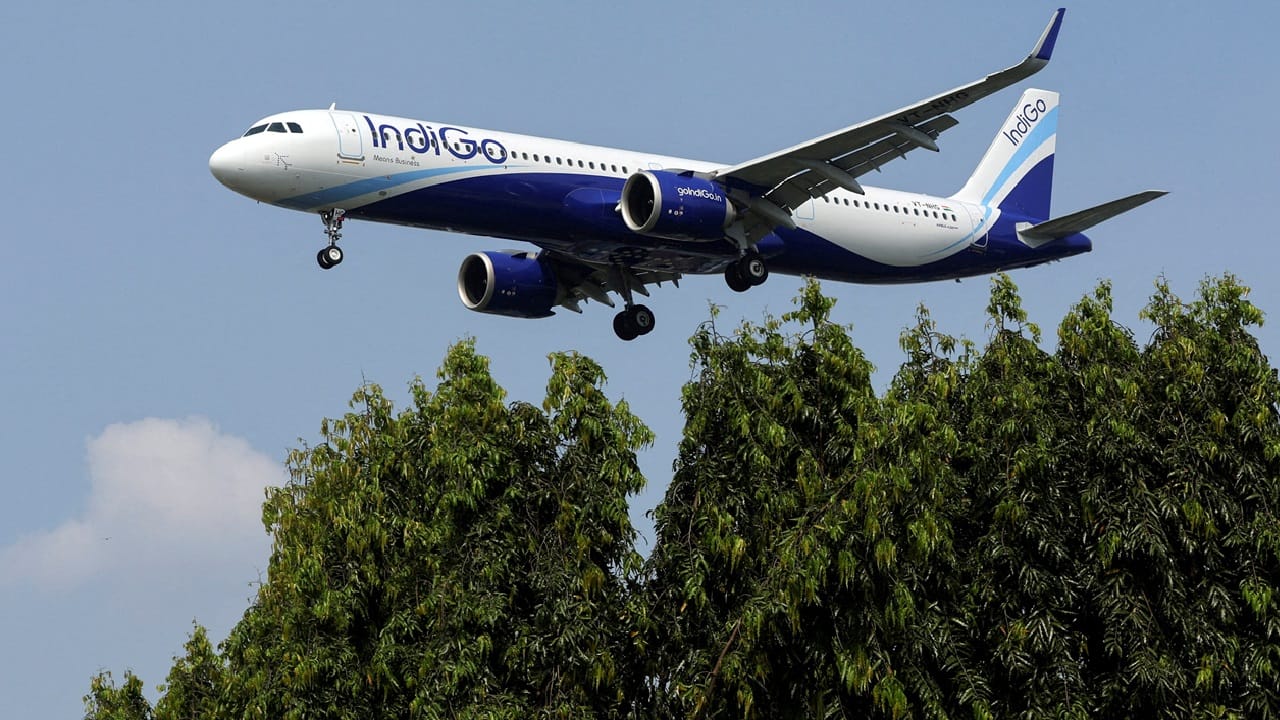
Indian carrier IndiGo has made history by securing Japanese equity financing for two Airbus A320 family aircraft, marking a significant milestone in aircraft financing for Indian carriers.
Aviation financiers and legal experts view this deal as a sign of rising confidence in both the credit profile of Indian airlines and the country's evolving legal framework.
Traditionally, Japanese investors have backed state-owned airlines or carriers with strong balance sheets. However, this deal marks a shift towards a more open approach to aircraft financing.
The transaction has been routed through Gujarat International Finance Tec-City (GIFT City), a special economic zone offering tax incentives to aircraft leasing entities registered under the International Financial Services Centre (IFSC).
IndiGo has established a dedicated leasing arm - InterGlobe Aviation Financial Services IFSC Private Limited - to facilitate the transaction.
Under the JOLCO arrangement, Japanese corporates or high-net-worth individuals invest equity alongside bank-provided debt, and the aircraft is leased to the airline. At the end of the lease tenure, IndiGo retains the option to purchase the aircraft.
Japanese tax regulations allow investors to claim depreciation benefits, enabling them to accept lower lease returns.
As one person involved in the deal told the Economic Times, investors derive a substantial portion of their returns from tax shields rather than lease income alone, resulting in more competitive lease rates for airlines.
Legislative reforms have reshaped the landscape, allowing aircraft lessors to reclaim assets within 60 days in the event of bankruptcy.
The lack of a double taxation avoidance agreement between India and Japan has also been addressed, enabling tax-efficient routing through the IFSC.
Ajay Kumar, Managing Partner at KLA Legal, said JOLCO deals routed via GIFT City present a strong opportunity for Japanese investors to participate in India's expanding aviation sector.
Lovejeet Singh, Partner at Chandhiok and Mahajan, added that full compliance with the Cape Town Convention has meaningfully lowered jurisdictional risk, while the improving credit strength of Indian airlines has unlocked new financing channels.