
OTR norms eased for equity options, effective from April 6
04 Apr 2026


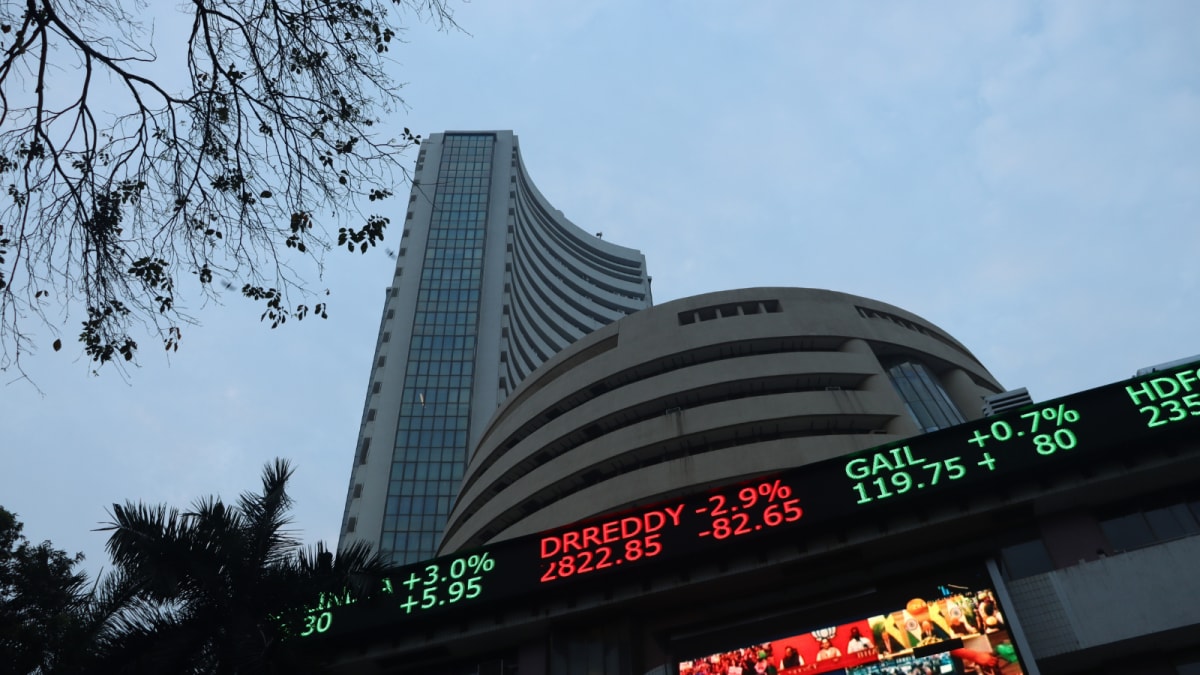
India exchanges to relax OTR norms from April 6, easing penalties for equity options and exempting market maker algos, aiming to boost liquidity and cut compliance burden
Exchanges will roll out a revised Order-to-Trade Ratio (OTR) framework effective April 6, offering compliance relief to equity options traders while exempting certain algorithmic orders from penalties.
The Order-to-Trade Ratio (OTR) tracks the number of orders placed—including cancellations and modifications—relative to executed trades. A high ratio is typically associated with excessive order activity and is often linked to algorithmic and high-frequency trading strategies. Exchanges impose penalties on elevated OTR levels to curb potential market manipulation, reduce system load, and ensure orderly trading conditions.
Relaxation In Options Segment Thresholds
Under the revised framework, exchanges have eased the exemption criteria specifically for equity options. Previously, only orders within a narrow band of 0.75% around the last traded price (LTP) were excluded from OTR calculations. This tight range led to a large number of orders falling outside the exemption band, thereby attracting penalties.
With the updated rules, the permissible range for exemption in the options segment has been broadened, reducing the likelihood of penalties for genuine trading activity. However, for equity futures and the cash segment, the earlier norms remain unchanged. Orders within 0.75% of the LTP in these segments will continue to qualify for OTR exemption.
Market Maker Algorithms Get Exemption
In a significant move, the regulator—Securities and Exchange Board of India—has clarified that algorithmic orders placed by designated market makers as part of their market-making obligations will be excluded from OTR computation. This exemption is expected to benefit liquidity providers who continuously place two-sided quotes to maintain market depth.
The decision is likely to encourage more efficient market-making strategies without the risk of penalty due to high order churn, particularly in options markets where rapid quote updates are common.
Industry Feedback And Expected Impact
The changes follow consultations with exchanges, market participants, and recommendations from SEBI’s Secondary Market Advisory Committee (SMAC). Industry stakeholders had flagged the earlier framework as restrictive, especially for high-frequency and liquidity-driven strategies.
Market participants expect the revised OTR regime to improve trading efficiency, reduce compliance burdens, and support deeper liquidity in derivatives markets.