8 stocks surged over 50% in each of the last 3 fiscal years;...
04 Apr 2026


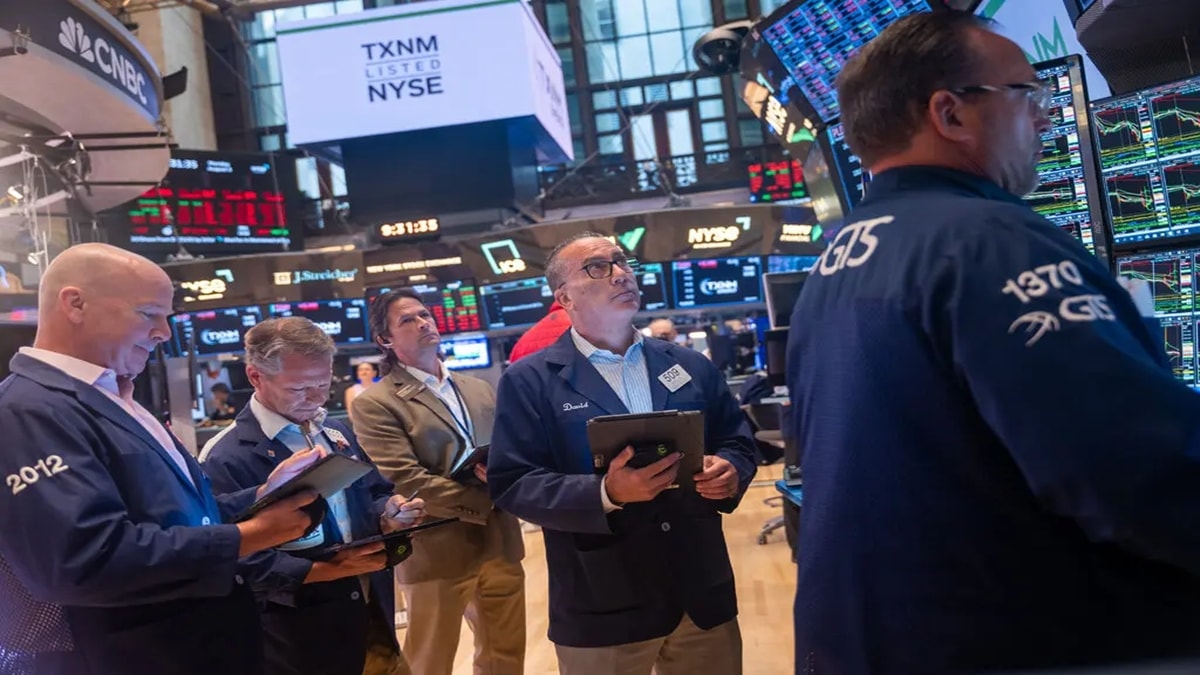
As the Iran war scenario remains very unpredictable, volatility in stock prices continues to be high. On Wednesday, Dow, S&P 500, and Nasdaq Composite all closed the day in green for a second straight day on cautious optimism that the Iran war may end soon. However, the situation is quite different on Thursday, April 2.
On April 2, leading US stock market indices are likely to open sharply lower. Trump’s prime-time address on Wednesday night has totally altered the expectations surrounding the Iran war.
Just a few days back, the expectations were high that the war could end in 2-3 weeks. There were reports that President Trump told aides he was willing to end fighting with Iran without fully reopening the Strait of Hormuz.
On Thursday, President Donald Trump warned in a national address that Washington would “hit” Iran “extremely hard” within two to three weeks, even suggesting the country could be pushed into the “Stone Age.” The US is close to achieving its strategic goals in Iran, but cautioned that military actions could escalate in the coming weeks, said Trump.
“Investors were positioning for a clean, short-duration conflict. Now, the picture is more complex. There’s still no confirmation of how or when this ends, and that changes how markets will price risk,” says Nigel Green, CEO, deVere Group.
Trump’s stern warning hasn’t gone down too well with the markets. On April 2, US equity futures plunged, with Dow futures down over 500 points, while the S&P 500 and Nasdaq Composite index were down by 1.5% in the initial hours of the futures market.
The Brent crude oil price, which had fallen below $100, has surged again, rising over 6% to trade around $108 on April 2.
The yield on the 10-year Treasury note, which is an indicator for interest rate direction, ticked higher to 4.38% from Wednesday’s close around 4.32%. The yield on the 5-year Treasury note also rose higher to 4.013% from Wednesday’s close of around 3.958%.
The U.S. Dollar Index, which tracks the value of the greenback against a basket of currencies, also gained strength on the back of rising oil prices. The US dollar index is trading above $100 on April 2.
Asia-Pacific markets also reversed gains on Thursday as oil spiked, with the Nikkei 225 dropping by 1,289.93 points and the Hang Seng and Shanghai falling nearly 1% on Thursday. BSE Sensex is down by 1.86%, falling 1360 points from the previous close, and Nifty 50 fell 1.8% in the initial hours of trade.
“Equities have moved higher on optimism. If that optimism is now being questioned, we could see a pause or pullback as investors reassess the outlook. The situation remains highly fluid, with ongoing diplomatic efforts and the potential for further developments in the coming days.
Financial markets move quickly when the narrative changes. Right now, the narrative has become less clear, and that increases the likelihood of sharper moves in both directions,” Green adds.