NFP Sampoorna Foods IPO Day 3: Issue subscribed 1.26x so far...
Source: Livemint
20 May 2026


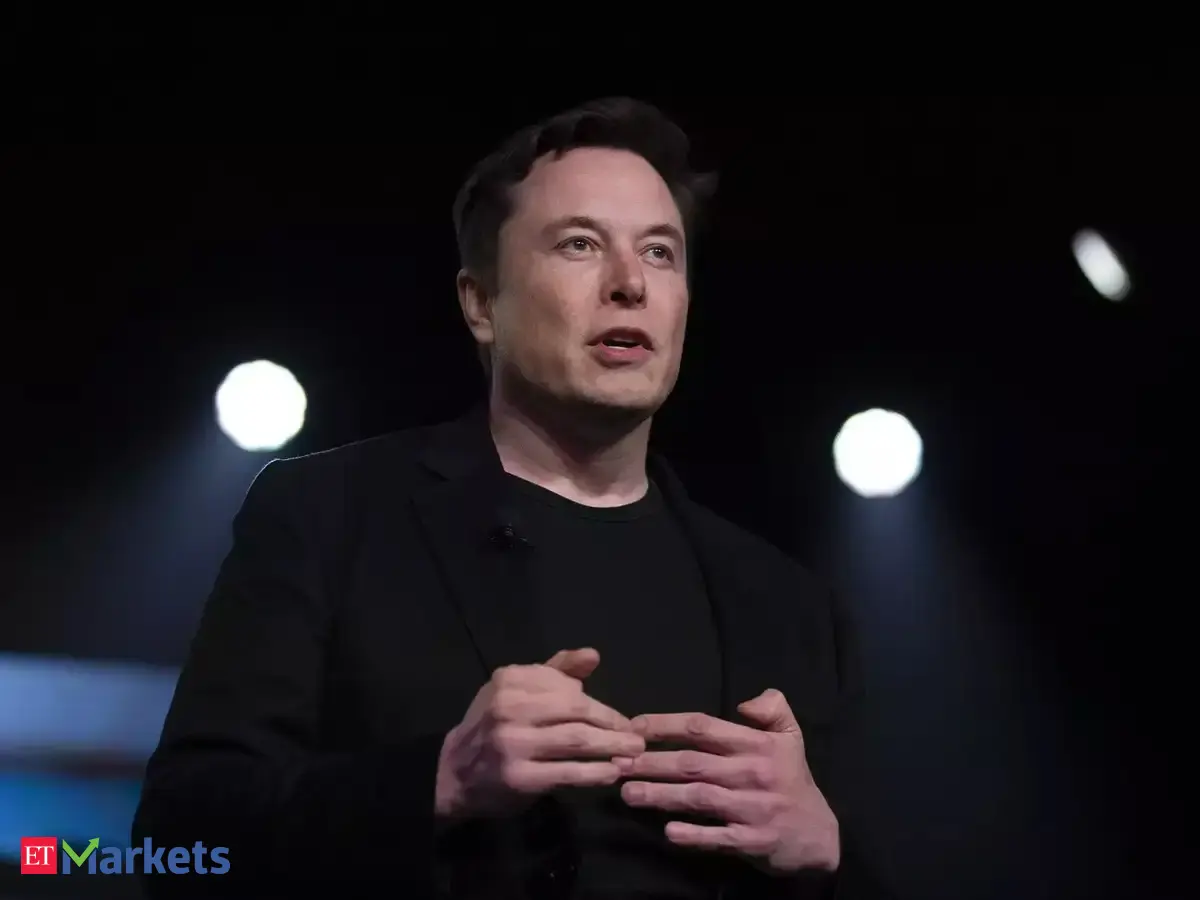
SpaceX is reportedly preparing for a blockbuster public listing that could value the company at nearly $1.75 trillion, potentially making it one of the world’s most valuable firms. The IPO could become the largest in history, surpassing previous records set by global energy and technology giants. Investor enthusiasm is being driven by SpaceX’s leadership in rockets, satellite internet, and artificial intelligence-linked technologies.
(Sources: CNBC, Reuters, Bloomberg, Financial Times, Yahoo Finance)
Goldman Sachs is expected to serve as the lead underwriter for the IPO, placing the Wall Street bank at the centre of what could become a historic listing. Morgan Stanley is also likely to play a major role alongside other financial institutions, including Bank of America, Citigroup, and JPMorgan. The participation of top investment banks reflects confidence that the offering could attract exceptional investor demand.
Investor excitement around SpaceX stems from the company’s strong presence across multiple high-growth sectors. The company dominates commercial rocket launches through its Falcon rockets while rapidly expanding Starlink, its global satellite internet business. SpaceX is also increasingly being viewed as an AI-driven infrastructure company, giving investors exposure to several transformative technologies through a single business.
Bloomberg reported that SpaceX is planning to acquire AI coding startup Cursor shortly after the IPO. The proposed deal reportedly values Cursor at around $60 billion and would rank among the largest AI acquisitions in recent years. Cursor has emerged as one of the fastest-growing coding assistant platforms globally, and the acquisition could significantly strengthen SpaceX’s AI software and automation capabilities.
SpaceX’s IPO plans are closely linked to Elon Musk’s broader technology ambitions. Earlier in 2026, SpaceX reportedly merged with xAI, further integrating artificial intelligence into Musk’s ecosystem of companies. The addition of Cursor could help automate engineering workflows, software development, and AI model training. Investors increasingly view SpaceX as evolving beyond aerospace into a broader AI and infrastructure powerhouse.
Despite the excitement, some investors remain cautious about the proposed valuation and governance structure. Concerns have been raised about Elon Musk’s strong voting control and the possibility of dual-class share structures that could limit shareholder influence. Critics also argue that extremely high expectations surrounding the IPO may increase the risk of volatility once the stock begins trading publicly.
SpaceX’s IPO also reflects a broader shift in global finance, where companies remain private for longer periods and achieve enormous valuations before entering public markets. Much of SpaceX’s expansion has already been funded through private capital rounds and secondary markets. Analysts believe the IPO could become a major test of whether public market investors are willing to support trillion-dollar technology-industrial businesses at scale.
While investor demand is expected to remain high, several risks persist. Broader market volatility or weakening appetite for high-growth technology stocks could affect the success of the IPO. SpaceX also continues to face operational challenges, particularly around Starship development and execution of its AI expansion strategy. Regulatory scrutiny is also likely to intensify once the company becomes publicly traded.
SpaceX’s IPO is shaping up to be one of the most significant financial events of the decade. The offering combines major investment themes, including space commercialisation, artificial intelligence, satellite communications, and advanced infrastructure. Supporters view SpaceX as a generational company with enormous long-term potential, while sceptics warn that valuation and governance risks remain substantial. Regardless of the outcome, the IPO is expected to reshape conversations around technology investing and the future of global capital markets.