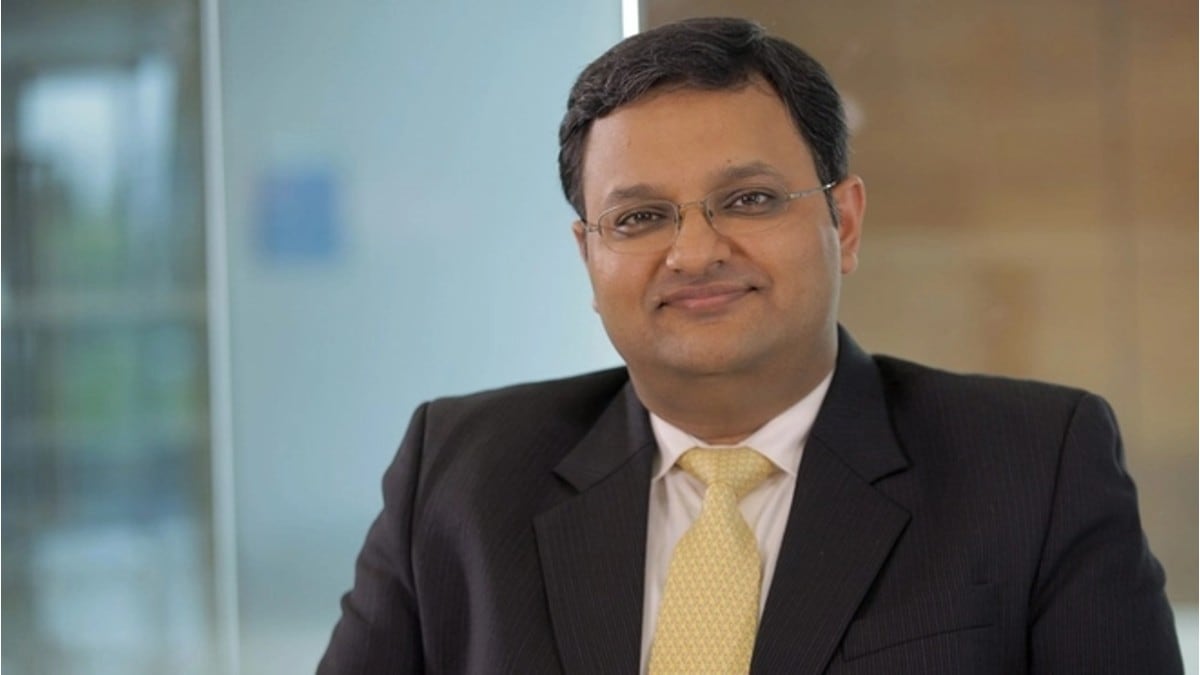
Rohit Singhania, Co-Head of Equities at DSP Mutual Fund, shares why improving Q3 earnings and the resolution of global tariff uncertainties make the current market correction a prime investing window.
Good time to start investing in equity markets: Rohit Singhania of DSP Mutual Fund
The markets performed relatively well, given the volatility and uncertainty due to the India-Pakistan conflict, global tariffs and low corporate earnings, Rohit Singhania, co-head – equities, DSP Mutual Fund, told FE. He expressed hope for the markets going forward.
“The earnings numbers of the December quarter are bringing the confidence back into the market. The base for growth has also become lower. So, things should only look better from here.” He explained that external volatility has contributed significantly to the underwhelming market sentiment in the Indian markets.
“In the past year, global investors had concerns about lower earnings and uncertainty due to tariffs. The tariff deal has given some positive boost to such investors.”
While noting the possible impact of the recent judgement by the US Supreme Court, he believes the uncertainty in the markets is mostly external and could continue for a month or two. He expects better market conditions following this period. “Starting from February or the next two or three months, I think it’s a good time to start investing in equity markets.”
Valuations
In terms of valuation between market caps, Singhania says that based on the long-term averages of market caps, large caps are less expensive compared to mid and small cap stocks, while adding that large caps are not cheap on an absolute basis. He adds that in mid and small caps, he is more selective and places his conviction in companies which he believes have a promising future over the long-term. He emphasised that changes in valuations of the entire market caps does not deter his conviction in such companies or his portfolio.
Singhania believes that mutual funds have the advantage of liquidity and lower ticket size which makes them more attractive to domestic investors compared to other products. He believes that this advantage can lead to consistent domestic inflows in the future.
FII outflows
On FII outflows, Singhania added that historical data suggests that a period of decline in FII inflows have been followed by a bounce back, which could be a sign. He believes that lower inflows by FIIs could be due to high investment in the AI space which has led to high inflows in some of the other markets. A decline in investment in this space could lead to higher inflows in the Indian markets, however, it is difficult to predict a timeline for such a reversal.
Investment philosophy
His investment methodology involves a metric that he refers to as the margin of safety, the difference between a stock’s price and intrinsic value calculated using his investment model. However, he also looks at the triggers for growth of the sector/segment. While he prioritises companies with good management, high RoEs (Return on Equity) and better cash flows, he adds that sometimes, good companies in underperforming segments can have operating leverage due to their investment in manpower or capacity during downturns, which could serve well when the sector/segment’s scope improves.
He notes this as an exception when underwhelming RoE or cash flow numbers in the past would still not
impact his decision to invest in the company.
The bottom line: “If you like a stock, please be invested. If you don’t like it, if you’re seeing valuation exaggerating or businesses falling down, book profits.”
In terms of sectors, he is optimistic about in the current market, Singhania lists financials, selected auto ancillary based on bottom-up analysis, select public sector companies, select energy and power sectors.