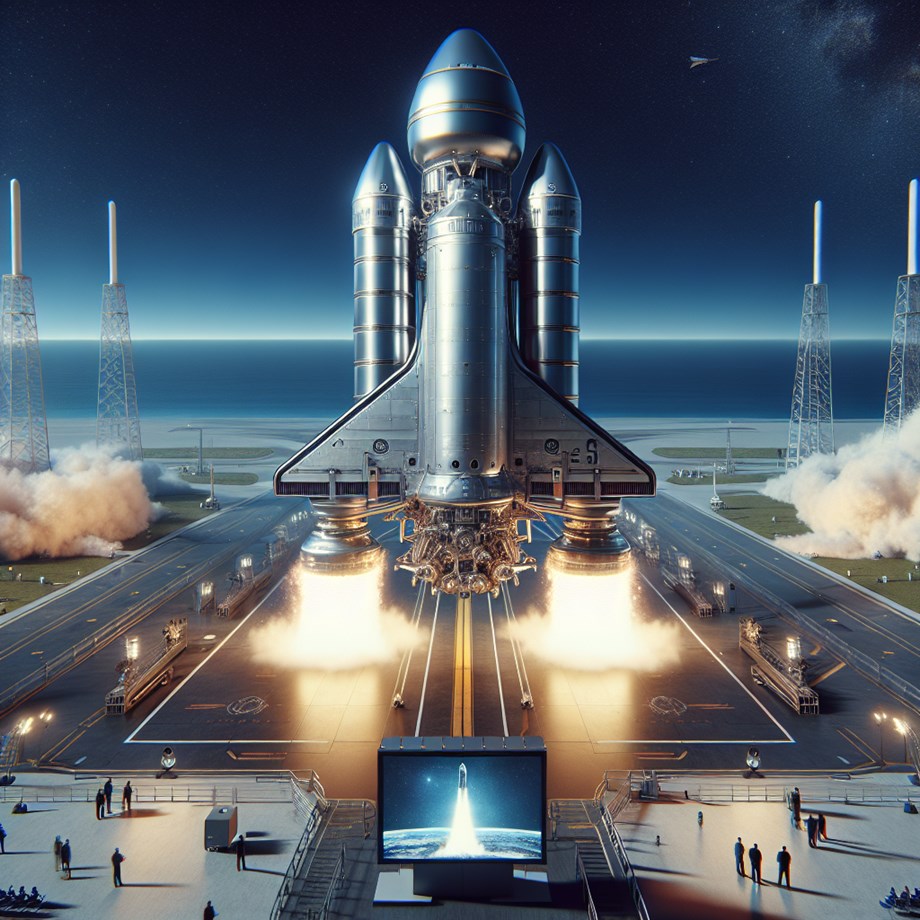
SpaceX: Aiming for the Stars with Potential Record-Breaking...
01 Apr 2026



SpaceX's recent IPO filing suggests an ambitious plan to launch up to 1 million AI satellites into orbit, a move that CEO Elon Musk believes will overcome Earth's limitations on power and water resources. This strategy mirrors Microsoft's earlier efforts in 2015 when the tech giant sunk a data center on Scotland's seabed to leverage natural cooling and renewable energy sources.
Although Microsoft's underwater data centers met technical goals, they were abandoned due to low demand and economic viability. Microsoft stated its commitment to continue Natick as a research platform. Industry experts advise caution for SpaceX, highlighting parallels between the projects and noting significant challenges with space data centers, such as cooling, rocket costs, and the space environment's impact on AI chips.
While some analysts see potential niches for space-based data centers, the highly expensive nature of such ventures versus expanding ground-based data centers poses economic questions. Musk's plan requires massive innovations in cost reduction and AI chip resilience, hinging on vehicle advancements like SpaceX's delayed Starship rocket. Despite optimism about space technology, experts and competitors like Blue Origin suggest focusing advancements on Earth as the immediate priority.
(With inputs from agencies.)