KKR told to ‘do whatever it takes’ to lure Gautam Gambhir ba...
11 Apr 2026


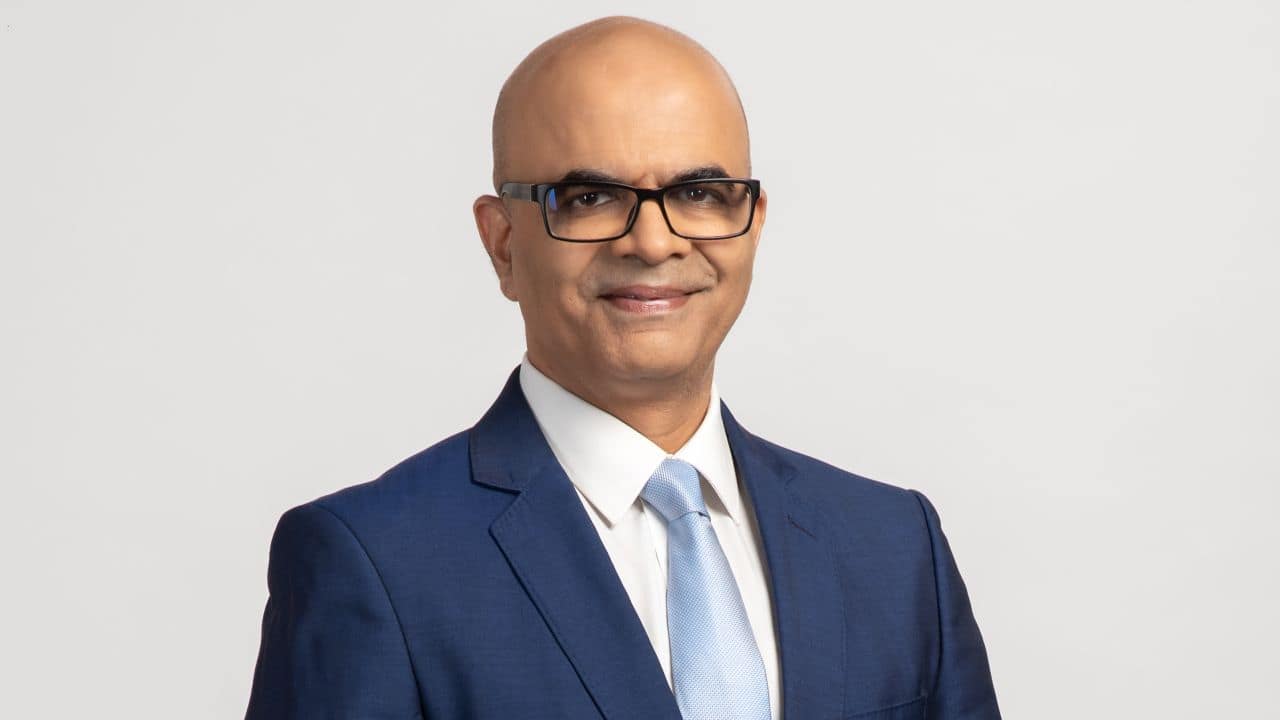
Gaurav Misra, the head of equity at Mirae Asset Investment Managers (India) is optimistic about the equity outlook over the medium and long term.
While there is tremendous uncertainty, he suggests that if one is under allocated these are good times to build to an optimal equity allocation and this is over and above continuing with SIPs.
He does not see any structural pressure on the Indian rupee against the US dollar. If one is of the view that ceasefire coverts into a durable peace agreement than the INR should stabilise, he said in an interview to Moneycontrol.
Do you believe the worst is over for the equity markets and how should investors be positioned?
I am optimistic about the outlook over the medium and long term. For the immediate term, timing the markets to perfection is not as important as having your asset allocation optimised in this bout of equity correction. While there is tremendous uncertainty, I would suggest that if one is under allocated these are good times to build to an optimal equity allocation. This may be done in a staggered manner, spread over few weeks or months depending on how the ME situation evolves. This is over and above continuing with SIPs.
Also, it helps to periodically review asset allocations and keep it at optimal levels. Given the uncertainties/ geopolitical faultlines and the regular frequency with which the unknown unknowns keep popping up this will remain important.
Within equities, I would suggest a proper weight allocated towards the large cap. This is because in periods of uncertainty both for the economy and corporate earnings, larger business tend be less vulnerable to economic shocks and valuations have become more reasonable.
What is your assessment of the Reserve Bank of India monetary policy decision and its commentary?
It suggests a pragmatic and adaptable approach mindful of the vulnerabilities to domestic macro stability, given the supply shock. The RBI has suggested a growth and inflation forecast mindful of the overnight developments (15-day ceasefire). It is now assuming as a base case crude averaging US$85 a barrel (versus US$75 earlier) for the full year and the rupee at 94 against the US dollar.
They also suggest higher sensitivity of inflation i.e. 50 bps (earlier 30 bps) for every 10 percent increase in crude oil. So clearly if the Middle East situation re-escalates or worsens than there will impact on each of the growth and inflation outlook.
Do you believe oil prices will get stabilised below $100 a barrel post ceasefire?
Oil prices are expected to retrace, in a base case to averaging around US$85 a barrel for the full year. That is a reasonable correction from the US$110 levels. Beyond that i.e. falling to US$75-80 levels, or even closer to the pre-war level is possible. However, reaching those levels will take more time and will depend on how soon the hostilities desist in the region. Thus, the longer the hostilities persist, the longer it will take for crude to retrace back closer to the pre-war level.
Do you still see structural downward pressures on the Indian rupee again?
I do not see any structural pressure on the INR. In the short term however, it is going to be very dynamic. The Middle East developments, dollar index hardening along with the continuous FII selling have complicated matters. Till the Middle East war broke out, given the low inflation differentials, robust growth in India and a steady trade balance/deficit outlook, I was not estimating a major weakness in the INR.
However, hereon INR outlook will depend on duration of the conflict and the time taken (or expectation of the time to be taken) for crude to retrace to a more manageable US$80-85 level. The longer and/or higher crude stays/moves, will put more pressure on the INR, even from the current levels. If one is of the view that ceasefire coverts into a durable peace agreement than the INR should stabilise.
Do you expect a significant earnings downgrade for the first half of FY27 post the West Asia conflict?
The provisional numbers are in line with expectation. They are indicative that the underlying economy was strengthening. Credit growth, discretionary and staple consumption growth as indicated by firm’s provisional numbers suggest that. There will be cut to earnings for FY27. Assuming things normalise in a few weeks (or a month), the earnings cut will hit in the 1H of FY27. However, over the duration of the full year expect within a 2 ppt cut to FY27 earnings.
Disclaimer: The views and investment tips expressed by experts on Moneycontrol are their own and not those of the website or its management. Moneycontrol advises users to check with certified experts before taking any investment decisions.