Under the BOT model, a private firm builds a project, operates it and levies toll for a set period, before handing it back to the government.
Centre to soon open doors of BOT highway auction to private equity firms, pension funds
Gone are the days when highway projects constructed under the build-operate-transfer (BOT) model are awarded only to conventional developers with prior experience and expertise in road construction.
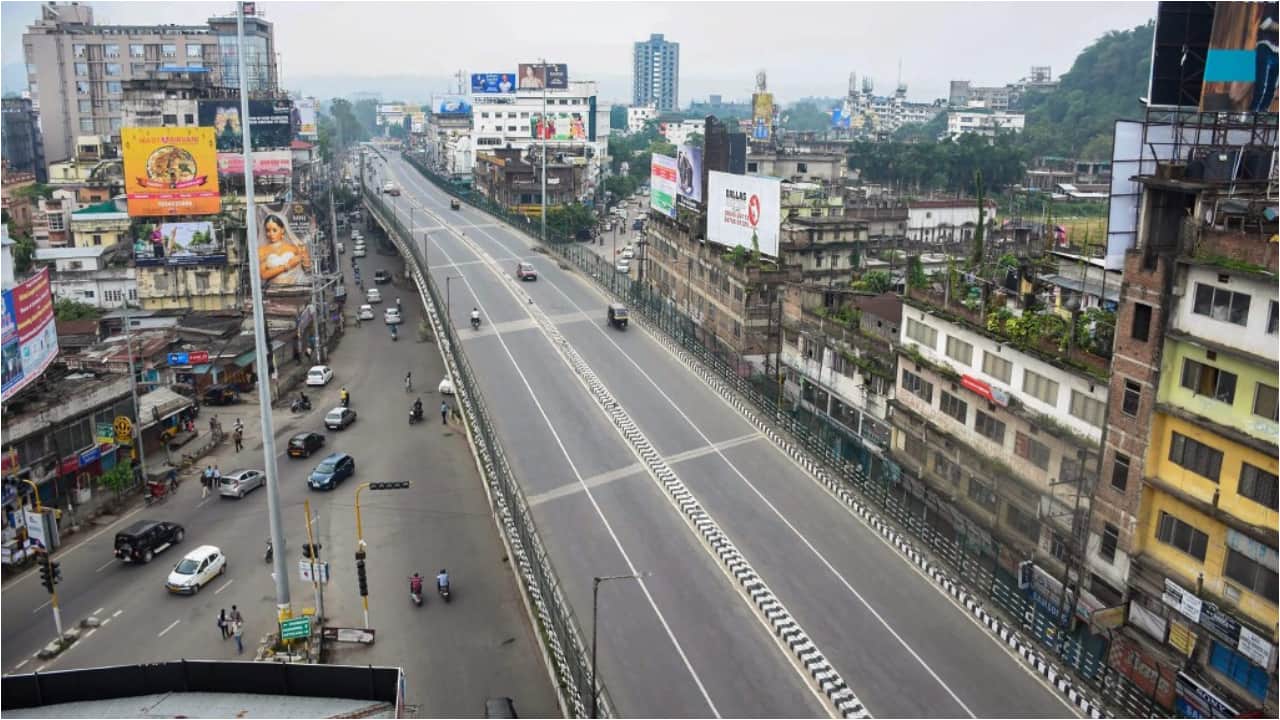
To accelerate the development of India’s national highways, the Centre is in the process of finalising a new model concession agreement (MCA) to govern the BOT model, which allows a private firm to build a project, operate it and levy toll for a set period, before handing it back to the government.
According to a report in Mint, private equity firms, pension funds and sovereign wealth funds may soon get to bid for greenfield highway projects under the BOT model, a departure from the current practice where these cash-rich investors can enter only once the projects are up and running.
This means financial investors lacking construction experience can bid directly, provided they meet technical criteria through partnerships or independent engineering arrangements. However, there will be tight checks on their qualifications and revenue projections.
As per two officials from the road ministry that Mint spoke to, the new MCA agreement is likely to be finalised by the end of the month, as India moves to revive BOT after years of experimenting with alternate models such as hybrid annuity models (HAM) and engineering, procurement and construction (EPC) model.
The new agreement comes in the wake of plans to auction 5,000 km of national highway projects worth ₹75,000 crore under BOT in FY27. This will be nearly 50% of all highway projects for the year, a sharp pivot from the current model where only 10% of projects go into BOT.
In the Union budget for 2026-27, the road ministry was allocated a significantly increased budget of ₹3.10 trillion, up by around 8% from the previous year's allocation of ₹2.87 trillion (revised estimates), to accelerate the development of national highways, expressways, and greenfield access-controlled corridors. A big focus is on building high-speed access-controlled road networks where the target is to take up the capacity from present 3,000 km to around 50,000 km.
One of the officials Mint quoted said that the move is expected to widen the competitive landscape beyond traditional road developers and construction companies, many of whom have faced balance sheet constraints in recent years.
However, the road ministry is also keen to ensure that competition does not revive the practice of aggressive bidding and heavy debt, stalling projects and boosting bad loans.
Many global funds have been active buyers of operational highways, often acquiring stakes from stressed developers or sponsoring InvIT platforms. However, these investments come after traffic stabilizes and regulatory risks fade.
Now, the government wants to enable private investors to bid directly for greenfield BOT projects, with hopes of pooling in long-term private capital that is comfortable with infrastructure risk, without increasing fiscal burden, while sustaining the pace of highway construction. For large investors, direct entry into greenfield projects will offer strategic advantages.
Manish Aggarwal, partner, Deloitte India, said partnering with the EPC companies at the preparation of the bidding itself would help in bids being more prudent both in terms of construction costs and diligence on projected traffic, avoiding the projects from going into stress. "We could see strong interest from active financial investors such as infrastructure-focussed funds, global pension and sovereign funds," said Aggarwal.
“If implemented effectively, the changes could mark a structural shift in how India finances its highway expansion—moving from developer-led, bank-funded models to institutionally backed, equity-heavy structures aligned with global best practices," said Vinayak Chatterjee, co-founder of Feedback Infra Pvt. Ltd.