
FPI equity ownership plunges to 14-year low of 16.13% in FY2...
Source: The New Indian Express
05 May 2026


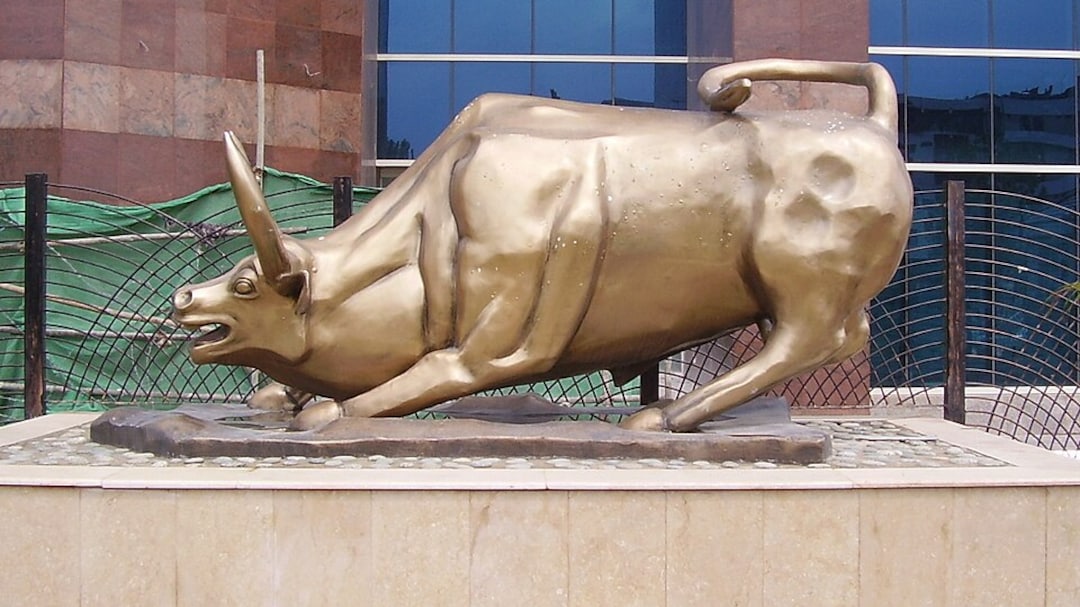
Zerodha CEO Nithin Kamath has raised concerns over mixed signals in the equity markets, questioning the sustainability of the ongoing rally even as investor enthusiasm around capital markets remains strong.
In a post on X, Kamath said, “If you look at listed brokers, you'd probably think we are in a bull market, but the data shows something else. In fact, there are a lot of conflicting signals.”
He highlighted that cash market turnover remains below its late-2024 peak, while net direct equity inflows have turned negative for the first time since FY19, an indication of weakening participation in direct stock investments. "So where is there so much enthusiasm around capital markets-related investment themes?” Kamath asked, attributing it partly to strong flows into mutual funds.
“Could be the strong equity mutual fund flows and SIP flows. Gross SIP flows are at a record ~32,000 crores,” he noted, adding that most major brokers, including Zerodha, offer direct mutual funds and therefore do not earn from these inflows.
ALSO READ: Taxpayers Prefer Convenience As 72% Choose New Tax Regime: Zerodha's Nithin Kamath
Kamath also pointed to sustained speculative activity in the markets despite mixed fundamentals. “Speculative activity has held up despite everything. The MTF book across the industry has grown significantly. Our own book has grown from 0 to ~7000 crores in about 1.5 years,” he said.
He further noted that brokerage income as a proportion of client funds is significantly higher for listed peers. “Brokerage income as a ratio of client float for most listed brokers is around 40% or above. With us, it's sub 9%. That means clients are trading far more with these platforms relative to the funds they hold there,” he said, hinting at possible behavioural nudges encouraging higher trading activity.
ALSO READ: United Breweries Q4 Results: Profit Up 4% Even As Revenue Slips; Dividend Declared
“Our own philosophy has always been to not push or induce customers to trade. In trading, for most people, fewer trades are always better. That means leaving a lot of revenue on the table. Whether that's the right call, time will tell,” Kamath added.
Summing up the broader market outlook, he said: “So is it a bull market? The answer is it depends on where you are looking.”
Source: The New Indian Express


