The Self-Reliant India Fund, started in 2021, will be topped up with Rs 2,000 crore to continue providing risk capital support to micro enterprises and ensure sustained access to equity financing.
Budget 2026-27: Pune industry welcomes MSME equity fund, TReDS mandate; seeks AI push, export boost
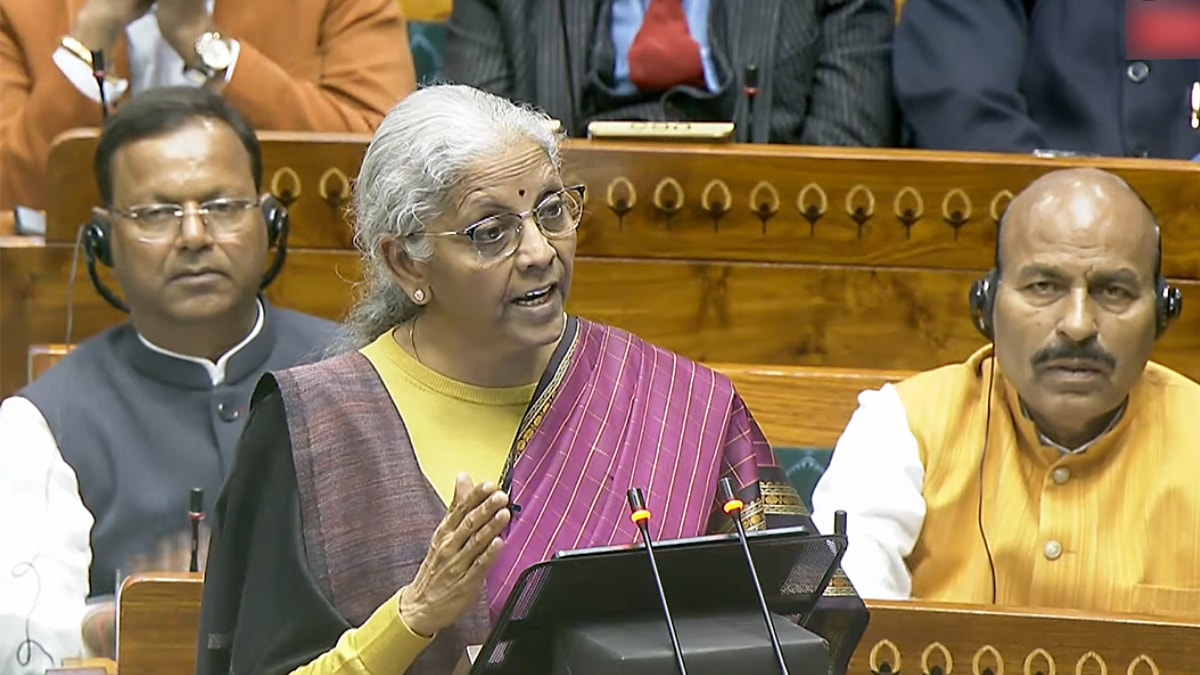
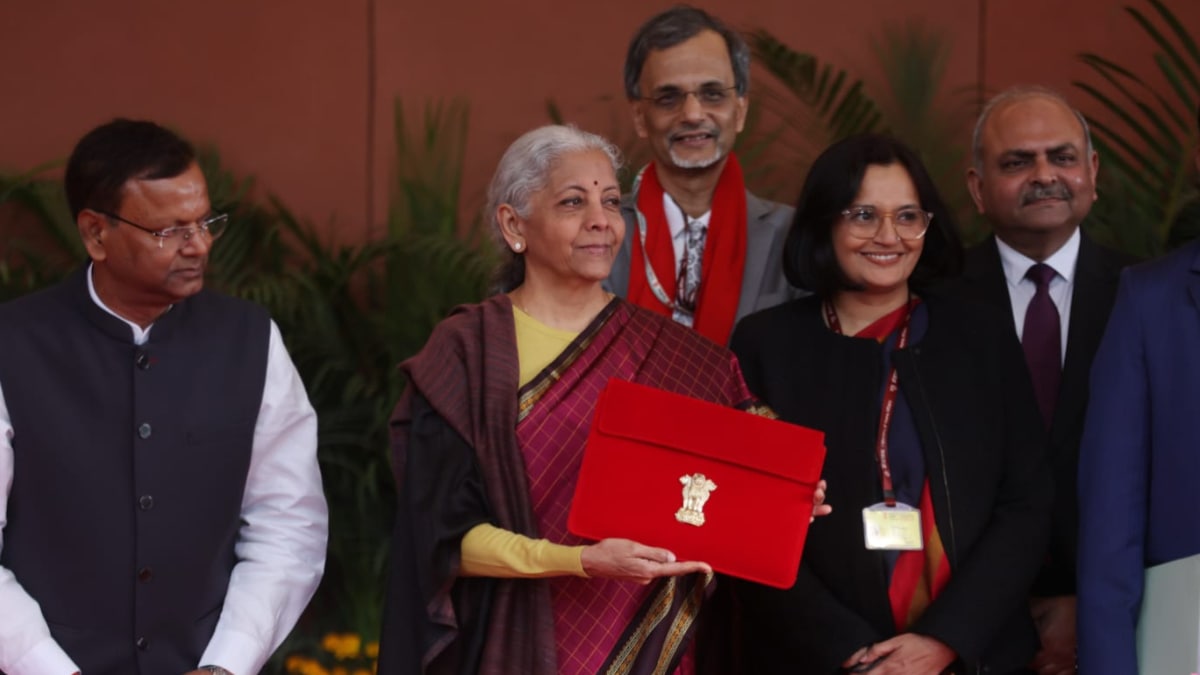
Sitharaman said the centre has already made more than Rs 7 lakh crore available through the Trade Receivables Discounting System (TReDS). The new measures would mandate TReDS as the one-step platform for MSME purchases by central public sector enterprises. The budget also introduced a credit guarantee scheme support that would link the Government e-Marketplace (GeM) with TReDS for faster financing.
Welcoming the announcement, MCCIA director general Prashant Girbane said, “It’s a foresighted budget, with no shocks, has growth prospects, and represents a declining fiscal deficit. We appreciate that now for delayed payments, the TReDS platform will be used more effectively. And also welcome the enhanced use of Credit Guarantee Fund Trust for Micro and Small Enterprises (CGTMSE), and increased equity support to enable small companies to become medium-sized, and medium to become large.”
However, Girbane also outlined some demands. “The TReDS platform should have been linked with the GSTN portal so that every invoice can compulsorily be trade discounted. And the Centre must do more on AI diffusion among MSMEs.”
“Similar to other countries like the United Kingdom, Japan, South Korea, Taiwan, and others, we demand that economy ambassadors from the private industry should be deployed abroad to help Indian MSMEs in promoting exports and international marketing,” he added.
Story continues below this ad
HP Srivastava, chairman, Deccan Chamber of Commerce, Industries, and Agriculture, Pune, called the fund a landmark initiative. “The Rs10,000 crore MSME Growth Fund is a landmark equity infusion that will empower our small-scale manufacturers to scale up their operations without the burden of traditional debt.”
“Allowing manufacturing units in SEZ to sell their goods in DTA at concessional rate of duty as one time measure will help tide over the current challenges being faced by them in the global market,” added Srivastava.
Sitharaman further announced that professional bodies such as the ICAI, ICMAI, and ICSI will be encouraged to design short-term, modular courses to train a cadre of ‘Corporate Mitras’, particularly in Tier-II and Tier-III towns, who will assist MSMEs in meeting compliance requirements at affordable costs, reducing operational burdens and enabling businesses to focus on growth.
Boost for EV Sector
Dr Prashant Khankhoje, strategic energy advisor, MCCIA, said, “Exemption of basic customs duty on capital goods used for manufacturing lithium-ion batteries, along with the extension of concessional duty benefits for lithium-ion cells and their parts that are used in manufacturing batteries for electric vehicles, will reduce the cost of EV vehicles and batteries.”
Story continues below this ad
“The exemption of basic customs duty on import of sodium antimonate, which is essential for the manufacture of the glass used in solar panels, will boost the solar cell manufacturing industry,” added Khankhoje.
“However, most importantly, to make these announcements successful, the Centre must keep the policies consistent for at least five years, considering investor’s interest while keeping a harmony between centre and state policies,” said Khankhoje.
Dr V Premnath, director, Venture Centre, Pune, said, “The focus on scaling up manufacturing in biopharma, semiconductors, electronic components, chemicals, sustainable textiles and others, will open many opportunities for startups and SMEs in those spaces. The proposed Equity Support and Liquidity Support for MSMEs will allow MSMEs to invest more and take larger risks.”
“It is great to see that the GoI plans to develop and grow the ‘create enterprises and industry’ via the initiatives for the orange economy given the tremendous economic potential of the entertainment sector and to strengthen the “soft power” of India,” Premnath added.