
Paul Merchants Limited Completes Equity Share Transfer Follo...
18 Mar 2026


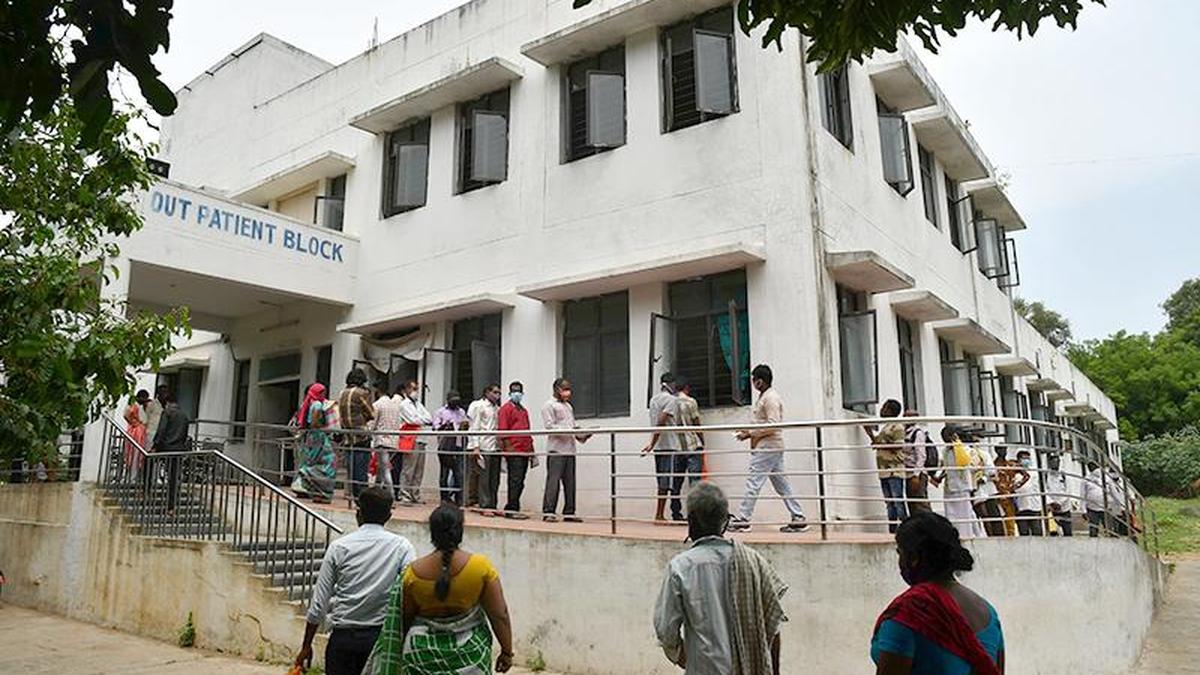
On paper, mental healthcare in India often looks like a story of expanding services, new helplines, more awareness campaigns, and a growing vocabulary around stress, depression, and addiction. On the ground in rural India, however, it can look very different: a woman with persistent insomnia and body aches who has visited three doctors but never been asked about anxiety; a young man whose drinking escalates after crop loss and debt; an older farmer who quietly stops leaving the house after a failed monsoon, because “what’s the point?” The distress is real, but it rarely arrives in neat diagnostic boxes and even more rarely reaches a trained professional on time.
This is not just a health gap; it is a productivity gap, a poverty gap, a gender gap, and too often a survival gap.
The care gap
India’s National Mental Health Survey (NMHS) reported that 10.6% of adults live with a mental disorder, and the lifetime prevalence is 13.7%. This survey also reports lower measured prevalence in rural areas (6.9% rural vs 13.5% urban), a pattern that likely reflects under-detection and under-reporting in rural settings rather than an absence of distress.
Even if we debate exact prevalence estimates, one number is difficult to argue with: the treatment gap. NMHS estimates suggest that 70%–92% of people with mental disorders do not receive appropriate treatment, depending on the condition. In other words, the problem is not only how many people are affected - it is that most people do not get care.
Stretched, urban workforce
A rural mental health strategy collapses if it is built on specialists alone. India’s psychiatrist density is routinely cited as well below recommended benchmarks. But the headline shortage hides an equally consequential reality: distribution. Specialists cluster in metros and large cities; rural districts rely on a thin layer of general physicians, overburdened public facilities, and a mix of informal or faith-based care.
When a psychiatrist is available only at a district hospital - hours away - “follow-up” becomes a luxury. The predictable result is late presentation, episodic contact, premature discontinuation of medicines, and families cycling between debt, crisis, and resignation.
Distress has rural fingerprints
Rural mental health cannot be separated from rural development because the drivers are deeply structural:
Livelihood insecurity and indebtedness: Agricultural income volatility, informal credit, and debt stress are chronic triggers for anxiety, depression, and harmful alcohol use.
Climate shocks: Heat waves, unseasonal rain, droughts, and crop failure push stress into the household - often as conflict, substance use, and hopelessness.
Social hierarchy and exclusion: Caste-based discrimination, landlessness, and precarious work contribute to long-term psychological stress and reduced help-seeking.
Gendered burden: Women frequently present with somatic complaints, sleep disturbance, and chronic fatigue - symptoms that may mask depression or anxiety - while also facing domestic violence, restricted mobility, and limited financial autonomy.
Migration and “left-behind” families: Young adults moving for work can reduce social support for elders and increase stress for spouses managing households alone.
These are not abstract forces - they translate into daily suffering. And sometimes, into death.
Suicide is a tragic development indicator. In 2023, India recorded 171,418 suicides. Suicide is multi-causal and cannot be simplistically attributed to “mental illness” alone. But as a public signal, it tells us something important: when distress becomes chronic, support is absent, and help-seeking is stigmatized, risk rises and preventable deaths follow.
Why care doesn’t reach those in need
It’s not just about awareness; mental healthcare services depend on access, trust, and continuity. A number of factors hinder access to care in rural areas.
One important factor is that symptoms often do not present as “mental health”: distress may manifest as pain, weakness, sleep issues, or “tension,” so it’s missed without routine screening. Another factor is one that both urban and rural India struggle with: stigma. But stigma often has a higher social cost rurally: being seen seeking psychiatric help can affect marriage prospects, reputation, and family standing. Time and travel pose significant barriers as well: reaching district-level care can mean losing a day’s wage (or more). For women, this is even more of a barrier due to limited mobility and finances. Breaks in care also contribute to less than optimal care being delivered: when medicines, counselling, and follow-up care are inconsistent, people tend to drop out. Substance use is under-addressed: early, structured help for alcohol-related harm is rare and care often begins after damage is done, contributing to added distress and financial burdens.
Burden of unmet needs
Rural India’s mental health burden is not a niche concern - it is a cross-cutting constraint on nearly every development outcome we care about:
Economic participation: Untreated depression and anxiety reduce productivity, increase absenteeism, and intensify household financial strain.
Maternal and child outcomes: Maternal depression affects nutrition, early childhood development, and health-seeking.
Education: Adolescent distress and substance use shape school dropout, risk-taking, and long-term prospects.
Gender equity: Mental health is both a consequence and amplifier of violence and disempowerment.
Social cohesion: Untreated illness can increase conflict, stigma, neglect, and in extreme cases, suicide.
Why last-mile design matters
India has made several policy commitments: the District Mental Health Programme (DMHP) is described as covering 767 districts, mental health services have been added to the package at Ayushman Arogya Mandirs, and the national tele-mental health programme Tele-MANAS is reported to have handled over 1.81 million calls.
These are important steps. But coverage is not the same as care. The binding constraints are last-mile: trained primary-care teams, reliable supplies, supervision, and a referral pathway that actually functions.
What needs doing
Make primary care the default platform: Train PHC teams to screen routinely for depression/anxiety/substance use, start basic treatment, and follow up - supported by DMHP specialists.
Task-share psychological care: Brief, evidence-based interventions (problem-solving, behavioural activation, motivational approaches for alcohol use) can be delivered by trained non-specialists with supervision. Medicines should not be the only form of care provided.
Treat suicide prevention as a local systems goal: Follow-up after self-harm. Community identification of high-risk individuals, and rapid linkage to care can go a long way. Using district data to target hotspots can help.
Use digital tools as a bridge, not a replacement: Tele-MANAS can support early contact and anonymity but works best when it connects people to local follow-up.
A rural mental health strategy, is not simply “more psychiatrists” (though the workforce must grow). It is a redesign of care delivery: primary-care anchored, community trusted, culturally fluent, and logistically realistic.
If India is serious about rural development, mental health cannot remain a side chapter because rural resilience is as psychological as it is economic.
Those in distress can call the helplines listed here.