AI companies hitch PE ride to reach enterprises
Source: The Economic Times
06 May 2026


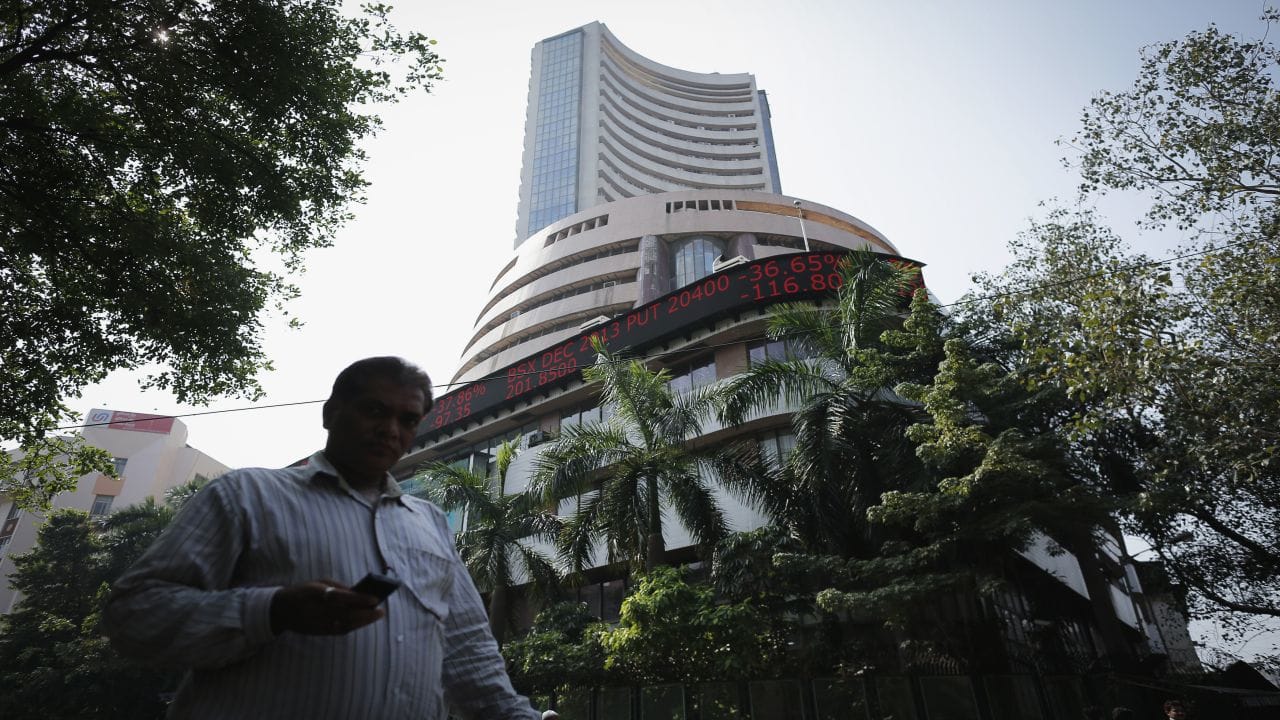
Taiwan and South Korea's equity markets are rapidly closing in on India's total market capitalisation, raising the possibility of India slipping in global rankings if the current rally continues, driven by strong gains in semiconductor and AI-linked stocks.
Taiwan's total m-cap now stands at around $4.6 trillion, just about 6 percent below India's $4.9 trillion. South Korea is also narrowing the gap, with its market cap at around $4.2 trillion, about 12 percent away from India's level.
So far in 2026, Taiwan's m-cap has surged nearly 40 percent, adding over $1 trillion in value within the first four months of the year. Over the past 12 months, it has risen by around $2.7 trillion, marking a sharp 150 percent increase and positioning Taiwan as a strong contender to overtake India as the world's fifth-largest equity market. The rally has lifted Taiwan's market cap to record levels, surpassing countries such as Canada and the UK, making it currently the world's sixth-largest equity market.
The surge in Taiwan has been driven largely by semiconductor and AI-linked stocks. Taiwan Semiconductor Manufacturing Company has led the charge, benefiting from strong global demand for artificial intelligence hardware, and alone accounts for more than 40 percent of the benchmark index's total market value.
But the rally has broadened well beyond TSMC, with significant gains also seen in chip designer MediaTek, iPhone assembler and AI server maker Hon Hai Precision Industry, chip packaging firm ASE Technology Holding, power management supplier Delta Electronics, and AI server maker Quanta Computer — all beneficiaries of the global AI supply chain buildout. Taiwan has become central to the global semiconductor ecosystem, supplying advanced chips to companies including Nvidia.
South Korea's market has followed a similar trajectory, with total m-cap reaching about $4.1 trillion. The Kospi index has rallied sharply, supported by gains across the technology sector. While memory chip giants Samsung Electronics and SK Hynix — both key players in the global AI supply chain — have been the dominant drivers, accounting for more than 40 percent of the Kospi's total market cap, the rally has also lifted a broader set of AI-linked stocks across the index.
Collectively, Taiwan and South Korea have added around $4.6 trillion in market value over the past year, underscoring the scale of the AI-driven transformation underway in Asia.
In contrast, Indian markets have seen heightened volatility since September 2024. The total market capitalisation of listed firms in India rose just 2 percent in 2025 and has declined about 7 percent so far in 2026, weighed down by stretched valuations, subdued earnings growth, continuous outflows from foreign investors and no exposure to AI-driven sectors. Geopolitical tensions, including trade-related uncertainties and the conflict involving the US, Iran and Israel, have also pushed crude oil prices higher, raising concerns around inflation and fiscal pressures.