
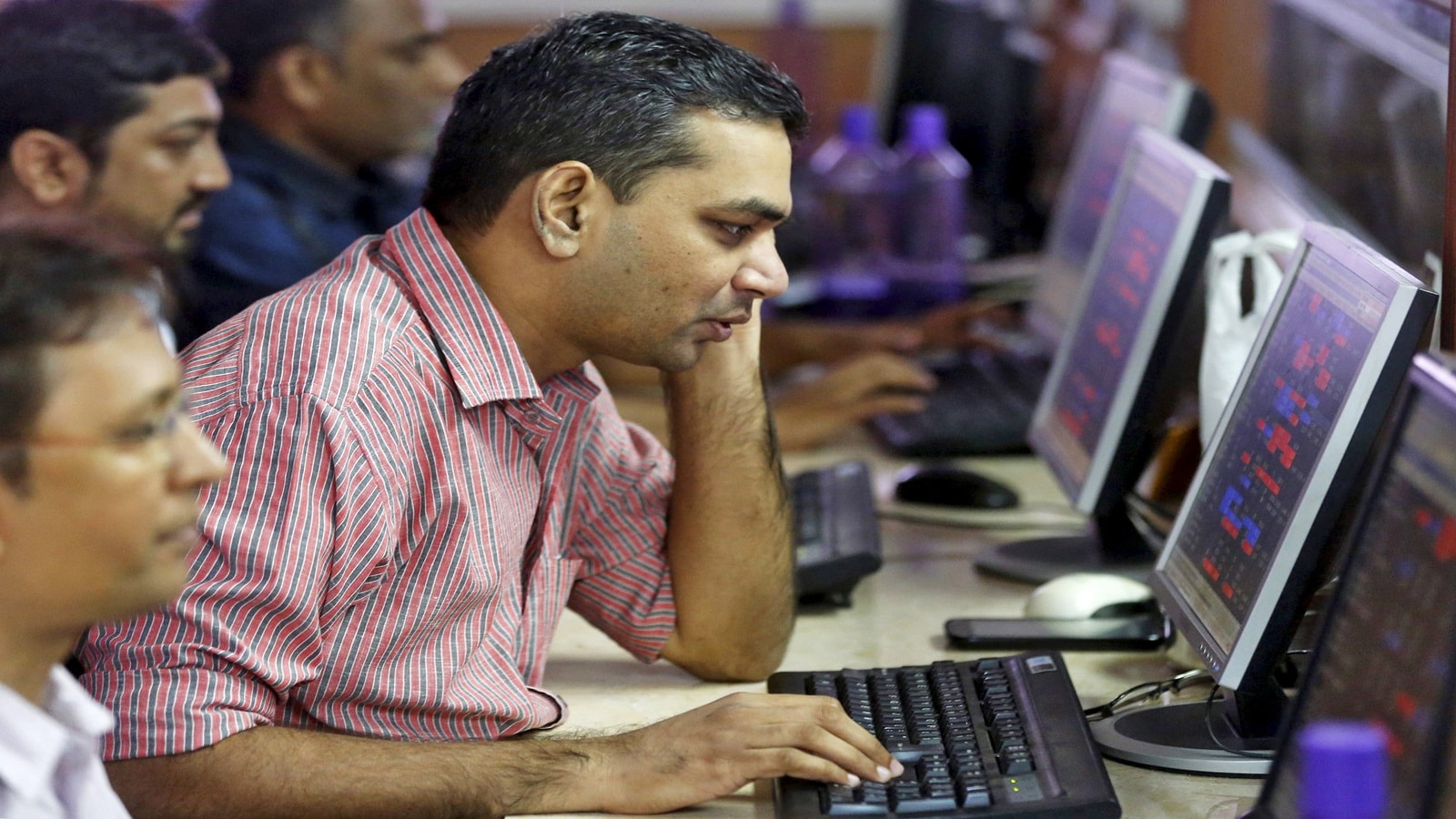
The equity benchmark indices BSE Sensex and NSE Nifty ended largely flat in a muted session on Friday , with the Nifty holding above the 24,200 mark. The Sensex gained 3 points to 77,541, while the Nifty gained 20 points to 24,252. The Nifty Bank gained 266 points to 57,762, while the Midcap Index gained 64 points to 63,736.
Market Breadth favoured advances, with the advance-decline ratio at 1:1. What drove the market today?1. Welspun Corp jumps 15% on $1.8 billion orderWelspun Corp surged 15% to a record high after winning a $1.8 billion order, making it one of the biggest stock-specific gainers in Friday’s session.
Sugar stocks fall after zero-duty import decisionSugar stocks snapped their gaining streak after the government allowed sugar imports at zero duty. Balrampur Chini declined 6%.3. IndiGo among top Nifty losersIndiGo fell over 1.5% and was among the top Nifty losers as air traffic in July hit a four-year low.4.
Metal and defence stocks gainThe Nifty Metal index was the top-gaining sectoral index amid a weakening dollar and rising spot prices. Hindustan Zinc jumped 4% as spot silver prices rose 3% to $70 per ounce, while Bharat Dynamics gained over 3%. Gold financiers also rose up to 2% on rising spot gold prices.5.
Stock-specific action continuesUrban Company jumped over 8% following a positive brokerage note, while JBM Auto rose nearly 7% amid reports of Bain Capital investing in the company's electric vehicle business. Electronics Manufacturing Services companies ended largely higher ahead of the Information Technology Ministry's press conference on Mobile Phone Manufacturing Scheme 2.0.
Shanthi Gears hit a 20% upper circuit after Tube Investments acquired an additional 2.7% equity stake in the company. From the Sensex basket, Power Grid Corporation of India Ltd, Nestle India Ltd, Bharat Electronics Ltd, Kotak Mahindra Bank Ltd, Hindalco Industries Ltd and NTPC Ltd were the major gainers.
Trent Ltd, Maruti Suzuki India Ltd, InterGlobe Aviation Ltd, Cipla Ltd, Tata Consumer Products Ltd and Infosys Ltd were the biggest laggards. Sectorally, IT, FMCG and PSU banks were among the biggest laggards, with the Nifty IT index falling nearly 3%.
More than 30 Nifty stocks ended the week in the red, with losses of up to 5%. Tata Motors PV was the top Nifty loser, while IndiGo, Infosys, HCLTech and ITC were also among the biggest decliners. On the other hand, HDFC Life, Eternal, Kotak Mahindra Bank, Power Grid and Axis Bank were among the top Nifty gainers during the week.
Mphasis, Colgate-Palmolive, Page Industries, Exide Industries and Bharat Dynamics were among the top midcap losers. Alok Agarwal, Head - Quant & Fund Manager, Alchemy Capital Management, on markets, said, "We entered this quarter with the start of the war, with crude prices being up nearly 30-35% from pre-war times, and nobody really would have expected that we would have a 10-quarter-high kind of earnings growth.
So, earnings were definitely ahead of the estimates. The majority of the companies beat the estimates. There are far more upgrades than downgrades, and we saw a very resilient market despite heavy, heavy selling by the FIIs. Of course, there's a lot of Hormuz discount given to this market because of the rising crude oil prices as well, and as you rightly touched upon, the most important variable today globally to be watched is the multi-decade-high kind of yields that we are seeing globally, and that's forcing a lot of treasuries to take actions, be it on the currency side, be it, as you said, buying the long end of the bonds by issuing the shorter end.
But the fact remains that so many years of liquidity infusion is now showing up in the form of higher yields and higher inflation, and managing that would be the key area to watch out for. Typically, one can say that rising yields are not very, very favourable for high valuations.
So, that's an area that one needs to really look at. But nevertheless, a lot of areas in India are really showing growth; manufacturing is in focus, both fiscal and monetary are aligned, the GST rate rationalisation as well as the liquidity measures are still showing signs of getting into the markets and the economy."