
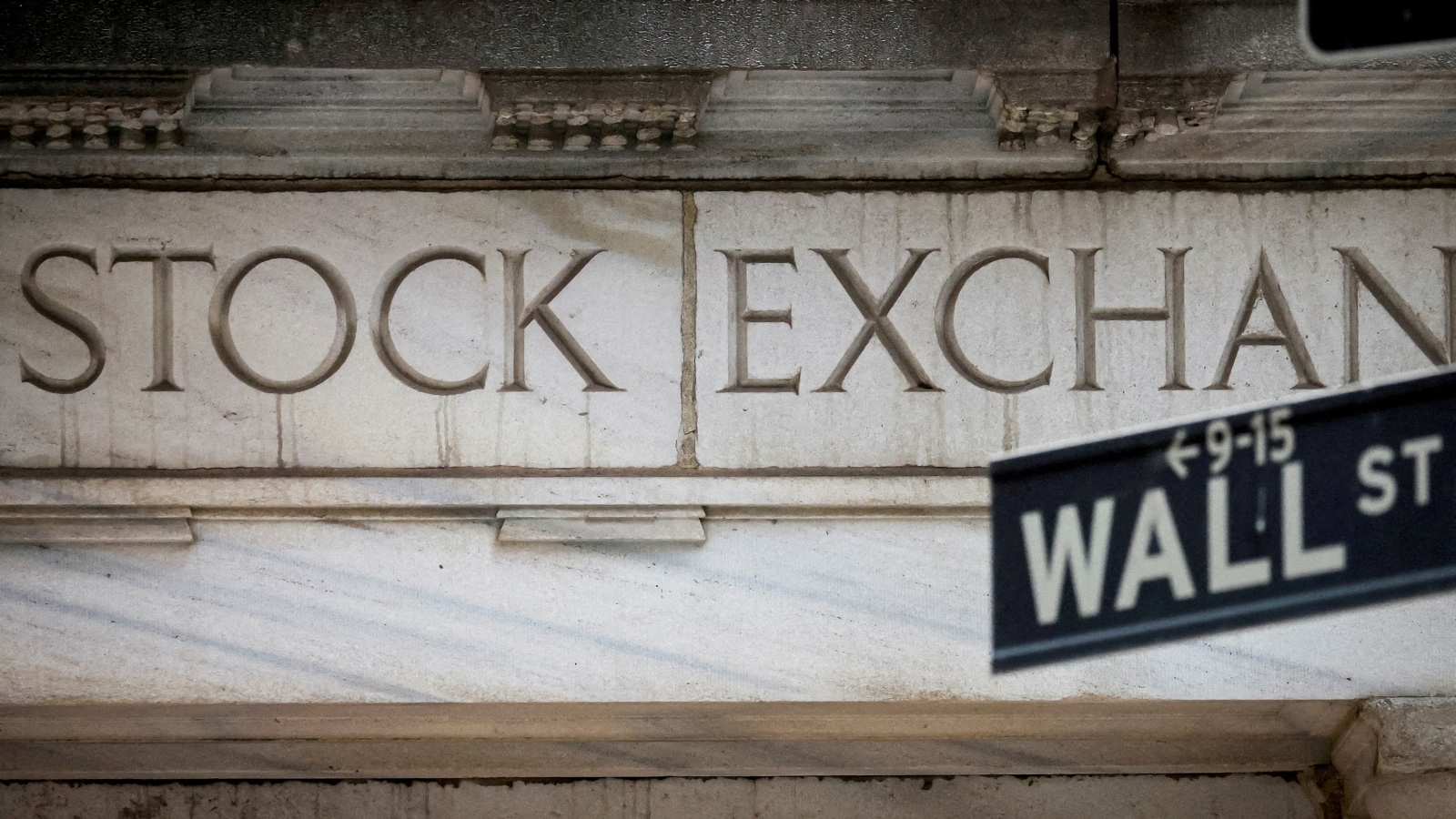
US stocks fell on Monday as investors weighed calls for a slowdown in artificial intelligence development amid safety concerns, while rising oil prices and uncertainty ahead of the Federal Reserve’s policy decision added to market pressure. The S&P 500 fell 0.6%, while the Nasdaq Composite declined 0.9%.
The Dow Jones Industrial Average slipped 160 points, or 0.3%. AI-linked stocks came under pressure after Anthropic CEO Dario Amodei called for a slower pace of development of advanced AI models. Other prominent technology figures also backed the proposal, raising concerns about the sector’s growth prospects and the sustainability of heavy investment in AI.
In an essay published on Saturday, Amodei said AI companies should slow the development of their most advanced models because of safety risks. He told CBS News on Sunday that the biggest challenge would be determining what would happen if China did not take similar steps.
Meanwhile, OpenAI CEO Sam Altman said in a Saturday interview that an initial public offering this year would be “ill-advised”. Among individual stocks, Nvidia and Broadcom fell 3% each. Advanced Micro Devices and Intel declined 5% apiece, while Marvell Technology shed 6%.
Oil prices riseOil prices climbed after Saudi Arabia shut a key pipeline that bypasses the Strait of Hormuz, adding to concerns over global energy supplies. West Texas Intermediate crude futures rose 3% to above $103 per barrel, while Brent crude futures gained 4.5% to trade above $109 a barrel.
US crude prices had crossed the $100-per-barrel mark last week for the first time since May, amid an escalation in Middle East tensions. The surge in oil prices weighed on all three major US stock averages last week. The Dow fell 1.6%, marking its biggest weekly decline since March, while the S&P 500 and Nasdaq Composite lost around 0.8% and 0.7%, respectively.
Fed decision in focusThe Federal Reserve is scheduled to begin its September policy meeting this week. Fed funds futures traders are pricing in an approximately 88% probability of a rate hike, according to CME Group’s FedWatch tool. The 10-year US Treasury yield rose more than 2 basis points to 5.00% on Monday, its highest level since October 2023, as investors awaited this week’s Federal Reserve interest rate decision.
The yield influences borrowing costs for mortgages, auto loans and credit cards.