
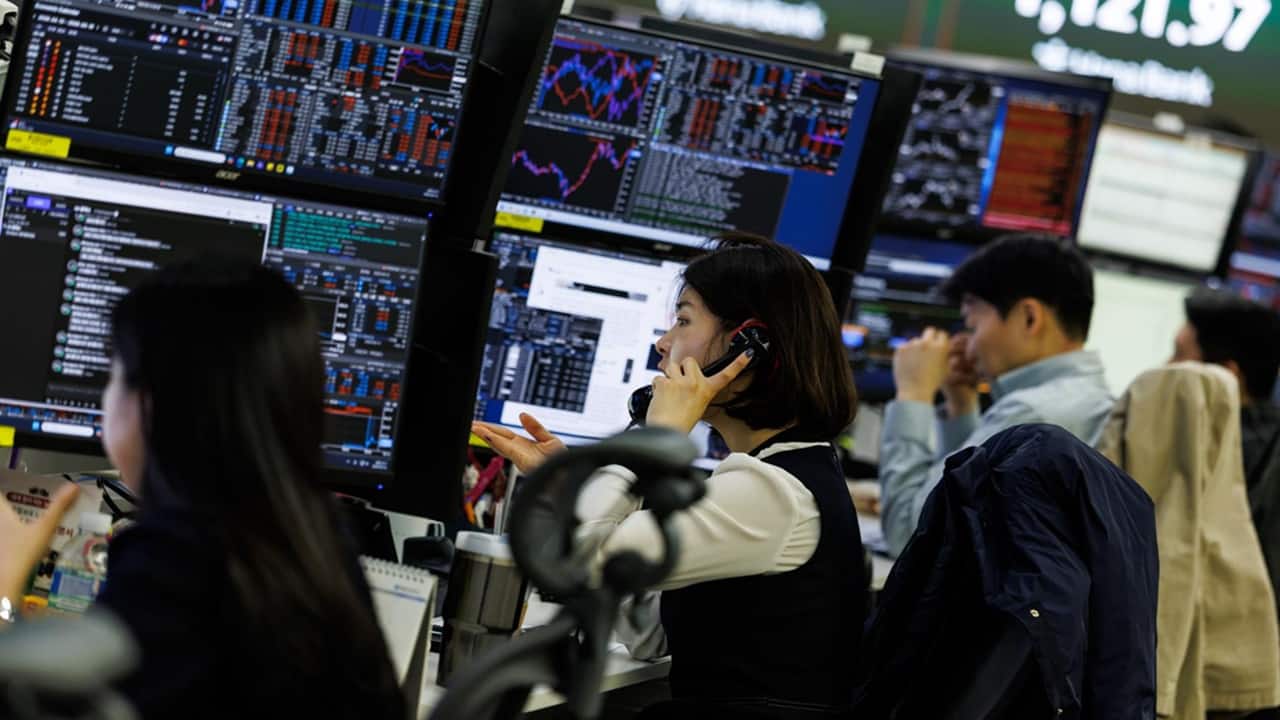
South Korean stocks slumped as Meta Platforms Inc.’s plan to sell computing power raised questions over excess in AI capacity, driving a selloff in chipmakers.
The Kospi Index fell as much as 7%, with Samsung Electronics Co. and SK Hynix Inc. losing at least 8% each. Korea Exchange temporarily suspended program selling following an outsized drop in Kospi futures. US peers Micron Technology Inc. and Sandisk Corp. both closed down more than 10%.
The moves risk deepening investor unease over the sustainability of the chip stock rally, after a global boom in AI buildout fueled an epic surge. Korea’s market heavyweights sit at the heart of the supply chain and have so far thrived on relentless demand for advanced hardware. Yet recent swings in Korean equities underscore how quickly sentiment can shift when questions emerge on the durability of that boom.
Meta is developing plans for a cloud infrastructure business that will sell access to AI computing power and models, Bloomberg News reported. Also hurting Korean chipmakers is news that Apple Inc. is in negotiations to purchase chips from two Chinese semiconductor makers, which raised concerns that the competitive edge enjoyed by Samsung Electronics and SK Hynix may be eroding.
“The AI capex story remains intact despite the Meta headlines, but the market is becoming more selective,” said Ha SeokKeun, chief investment officer at Eugene Asset Management in Seoul. “Higher AI spending is no longer seen as an unconditional positive, with investors increasingly focused on return on investment and potential overcapacity risk.”
On Apple approaching ChangXin Memory Technologies Inc. and Yangtze Memory Technologies Co., Ha said it may pressure sentiment around commodity DRAM pricing power that the Korean names currently command.
Korea has been the world’s best‑performing market this year, but its heavy reliance on a pair of chipmakers has left it vulnerable to sharp bouts of volatility whenever sentiment around the sector shifts. Adding to the turbulence is the presence of leveraged exchange‑traded funds, which magnify moves in both directions and make swings more pronounced.
“Today’s weakness in the Korean market was partly driven by the poor performance of the US market overnight,” said Gerald Gan, chief investment officer at Reed Capital. “The Korean market may still be in the process of flushing out speculative, leveraged retail positions in AI-related stocks, which have been the primary drivers of the index.”