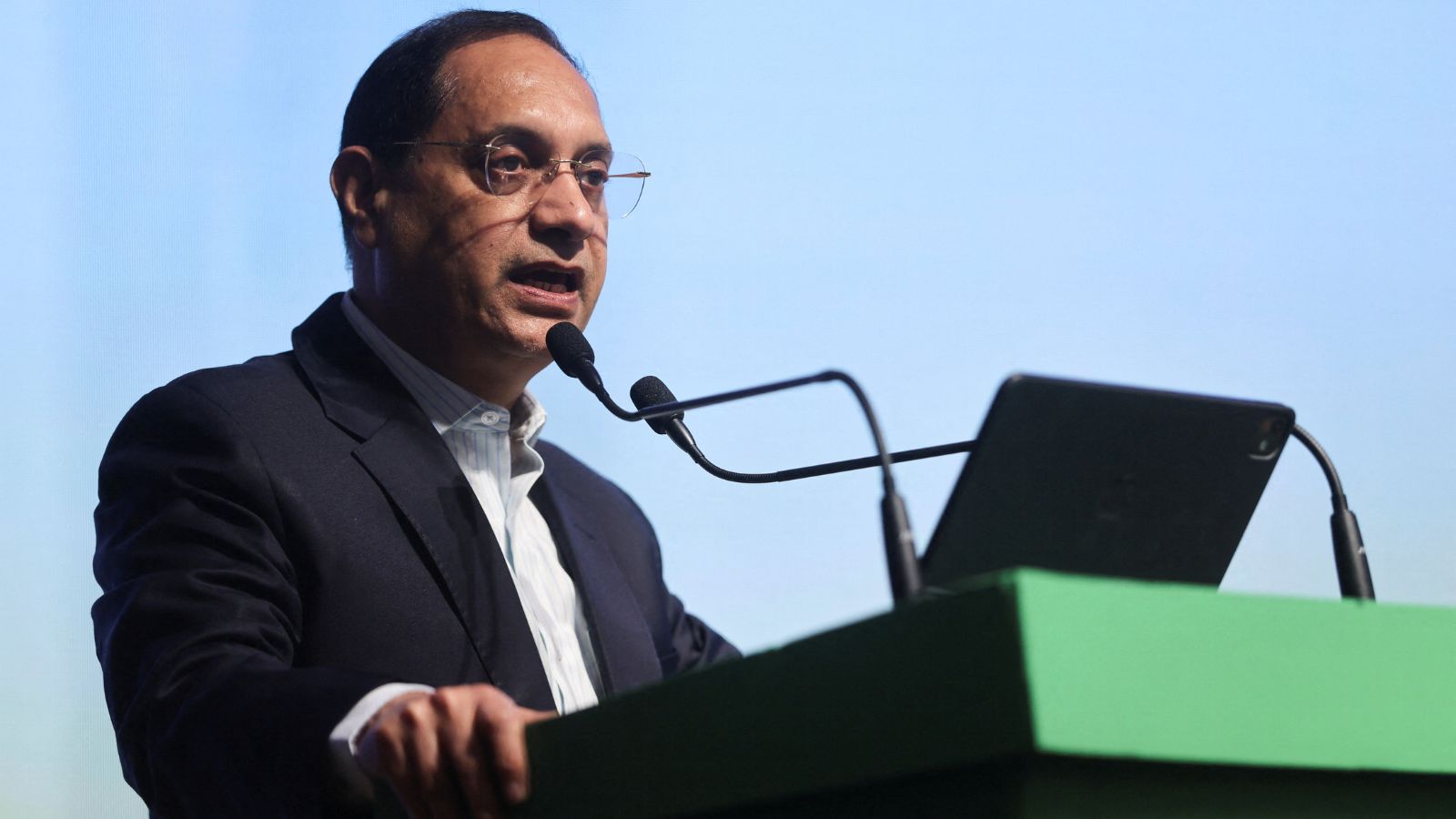
The Securities and Exchange Board of India is looking to reduce the onboarding timeline for foreign portfolio investors to five business days and cut the listing timeline for Real Estate Investment Trusts and Infrastructure Investment Trusts to three days from six days, Chairman Tuhin Kanta Pandey said on Friday .
Outlining the regulator's next set of priorities, Pandey said SEBI is also reviewing the Listing Obligations and Disclosure Requirements framework, the Issue of Capital and Disclosure Requirements framework and the rules governing SME initial public offerings .
The regulator is exploring a graded compliance framework for stockbrokers and is reviewing the framework for short selling and securities lending and borrowing in the cash market. Speaking about the way forward for capital markets, Pandey said markets and regulations must keep pace with each other and that SEBI needs to strike the right balance."Optimum regulation is what it is called at SEBI," he said.
Companies have raised around ₹9 lakh crore through equity and debt in the first seven months of the current financial year, Pandey said. He added that markets need to remain fair, stable and trusted, and meeting this challenge requires constant calibration of regulations.
SEBI's regulatory roadmap: Key announcementsFPI onboarding timeline to be reduced to five business daysSEBI will further ease access for global investors and reduce the onboarding timeline for FPIs to five business days, Pandey said. He also highlighted the simplified compliance requirements for low-risk FPIs, adding that 740 FPIs have registered under the SWAGAT framework.
REIT, InvIT listing timeline to come down to three daysSEBI is looking to reduce the listing timeline for REITs and InvITs from six days to three days, Pandey said. LODR, ICDR and SME IPO frameworks under reviewThe regulator is reviewing the LODR framework, which governs disclosure and compliance requirements for listed companies.
It is also reviewing the ICDR framework, along with the regulatory framework for SME IPOs, he said. Graded compliance framework for stockbrokersSEBI is exploring graded compliance requirements for stockbrokers as part of its efforts to simplify regulations, Pandey said.
Demat 2.0 Phase 2 to enable secondary tradingPandey said the second phase of Demat 2.0 would enable secondary trading. Short selling, securities lending and borrowing under reviewSEBI is reviewing short selling and securities lending and borrowing in the cash market, he said.
Corporate bond market-making frameworkSEBI is working with the Reserve Bank of India and the Finance Ministry on a market-making framework for corporate bonds. Pandey also said index futures would add liquidity to the bond market. Exploring a domestically governed AI frameworkThe regulator is exploring a domestically governed artificial intelligence framework for the securities market, Pandey said.
Risk-based regulation remains a priorityExplaining SEBI's regulatory approach, Pandey said the regulator has eased requirements in areas where risks are low and acted firmly where risks have increased. He cited simpler compliance requirements for low-risk FPIs as an example of a lighter regulatory approach.
In segments where risks have built up, such as equity derivatives, SEBI has introduced measures in phases, he said. Pandey also referred to the regulator's action against the publication of unregulated grey market premiums for IPOs. He said wider market access must be accompanied by greater investor understanding.
The chairman urged industry participants to work with stock exchanges to help companies access public capital while recognising the responsibilities that come with listing. He said SEBI would continue simplifying regulations, adjusting its approach and consulting stakeholders as markets evolve.