
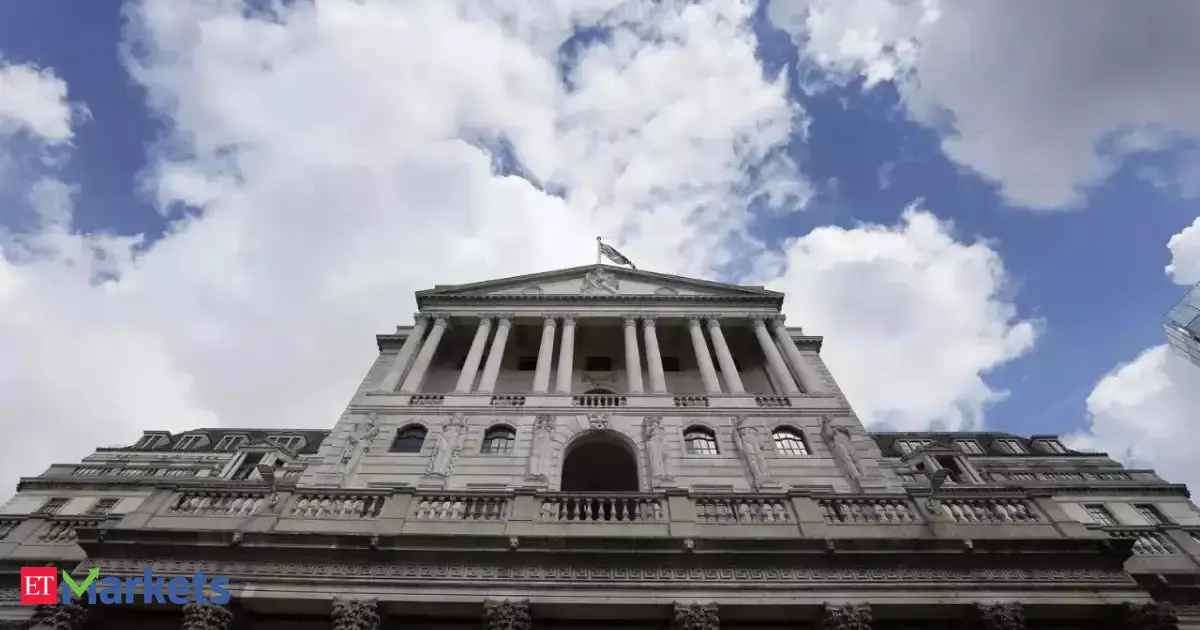
Bank of England Chief Economist Huw Pill said an increase in interest rates could help reduce the risk of the central bank having to take more aggressive action later to bring inflation under control, as price pressures have risen following the Iran war, Reuters reported.
Pill argued that acting sooner could help prevent temporary increases in inflation from becoming more persistent. A timely rise in Bank Rate could also reduce the risk of businesses and workers adjusting wages and prices in ways that reinforce higher inflation, he said in comments prepared for delivery to the Edinburgh Chamber of Commerce on Thursday, Reuters said.
Pill Backed Rate Hike in July
Pill was among three members of the Bank of England's Monetary Policy Committee who voted for an interest rate increase in July. They were outvoted by other policymakers who opted to keep rates unchanged while seeking greater clarity on the longer-term inflation impact of the Iran war.
The split vote highlighted growing uncertainty within the MPC over how persistent the latest inflation pressures could prove to be and whether monetary policy needs to respond more forcefully.
According to Reuters, Pill's comments underline the argument for taking preventative action rather than waiting for inflation expectations and wage-setting behaviour to become more firmly entrenched.
Markets See Limited Chance of September Hike
Despite Pill's hawkish stance, financial markets were assigning a relatively low probability to a rate increase at the MPC's next meeting.
Interest rate futures on Thursday indicated that investors saw just over a 15% chance of a quarter-percentage-point rate hike at the September meeting, according to Reuters. Expectations were significantly higher for the following meeting in November, with the probability of a quarter-point increase rising above 70%.
The divergence between Pill's position and market pricing reflects uncertainty over how the Bank of England will respond to the inflation effects of the Iran conflict and whether policymakers will judge those pressures to be temporary or persistent.
Inflation Remains Key Focus
The Bank of England has been closely monitoring the risk that higher energy and other costs linked to the conflict could feed into broader inflation pressures. Policymakers must also assess whether those increases could influence wages, prices and inflation expectations.
Pill's comments suggest that the central bank could favour a gradual and preventative approach if it concludes that inflation risks are becoming more persistent. Rather than signalling an extended tightening cycle, an initial increase could be aimed at keeping inflation expectations anchored and limiting the need for sharper action later.
For financial markets, the timing and pace of any potential rate increases will remain closely tied to incoming inflation, wage and economic activity data, as well as developments in the Iran war.