
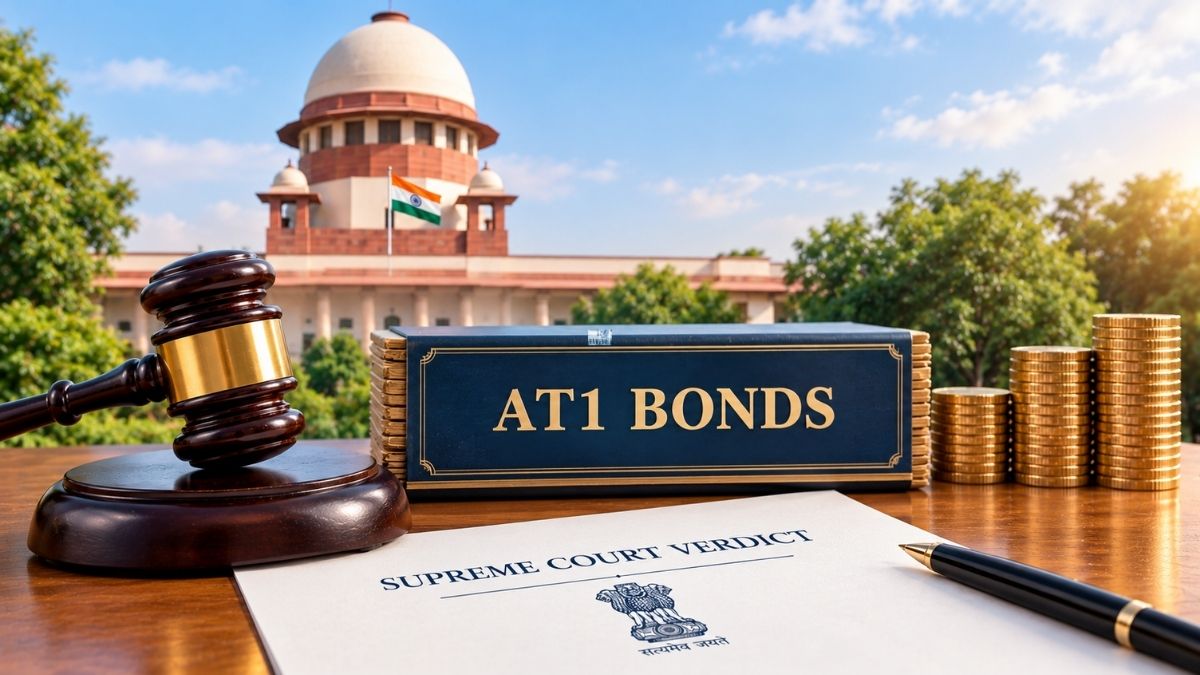
YES Bank is evaluating all options, including a capital raise, following the Supreme Court verdict on its AT1 bonds write-off, while it continues to assess the impact, it said in the analyst call on Monday.
“We respect the judgment and are examining it carefully, including the options available to the bank. We will continue to assess the implications for our capital structure, regulatory buffers, balance sheet strength and future growth plans. Capital planning is an ongoing board-level process,” said MD&CEO Vinay Tonse.
Last week, the SC upheld the Bombay High Court’s ruling quashing Yes Bank’s Rs 8,415-crore write-off of additional tier-1 (AT1) bonds.
He added that any capital decision will be based on a careful assessment of regulatory requirements, the cost and availability of capital, shareholder interests and the bank’s medium-term growth objectives. “On the legal and accounting aspects, we are examining the judgment in detail, including the available legal options and appropriate steps going forward.”
The lender also noted that it is not in a hurry to raise capital. “I think there is no gun to our head to solve for capital. In any case, we have to make sure we are going to the moment of evaluation assessment. But we believe that this is something where we will continue to work towards growing in line with our objectives,” the bank said.
Yes Bank on Saturday reported a 65% year-on-year (y-o-y) rise in standalone net profit to Rs 1,080 crore in the September quarter. Had the estimated impact of AT1 bonds been accounted for, the bank would have reported a net loss of Rs 5,217 crore for the quarter, according to proforma figures disclosed in its regulatory filing.
The reinstatement of the AT1 principal amount is expected to dent the common equity tier-1 ratio by 240 basis points to 11.4% on a pro forma basis. Overall tier-1 capital ratio is expected to remain around 13.7% on a pro forma basis, the lender said.
The bank considers the 13.5–14% range comfortable and appropriate, in line with its growth objectives and ambitions. “We conclude the assessment with the CET1 pro forma at 11.4%, we do believe that it still allows us headroom to continue to grow, but I would say the evaluation for capital actions including any raise, I think we will have to be mindful of that because clearly 11-11.5% of CET1 is not ideal and that’s something that we will want to make sure that capital levels are more comfortable, irrespective of how the regulator might want to say,” said the bank’s management.
Moreover, the private lender said that the reinstatement will not have any impact on cash flows. “The principal restatement of the AT1 bonds is in substance a balance sheet change from the reserves to the borrowings, which is tier 1 classification. There is no repayment, no cash outflow on the borrowing,” said Tonse.